Introduction
Pahala Rasagola is not just a sweet delicacy from Odisha—it is a symbol of tradition, regional pride, craftsmanship, and centuries-old culinary heritage. Famous for its soft texture, caramel-colored appearance, and rich syrupy flavor, Pahala Rasagola has become one of the most iconic sweets associated with Odisha’s food culture. Travelers visiting the state often stop specifically at Pahala, a small town located between Bhubaneswar and Cuttack, to taste this legendary dessert fresh from local sweet shops lining the highway.
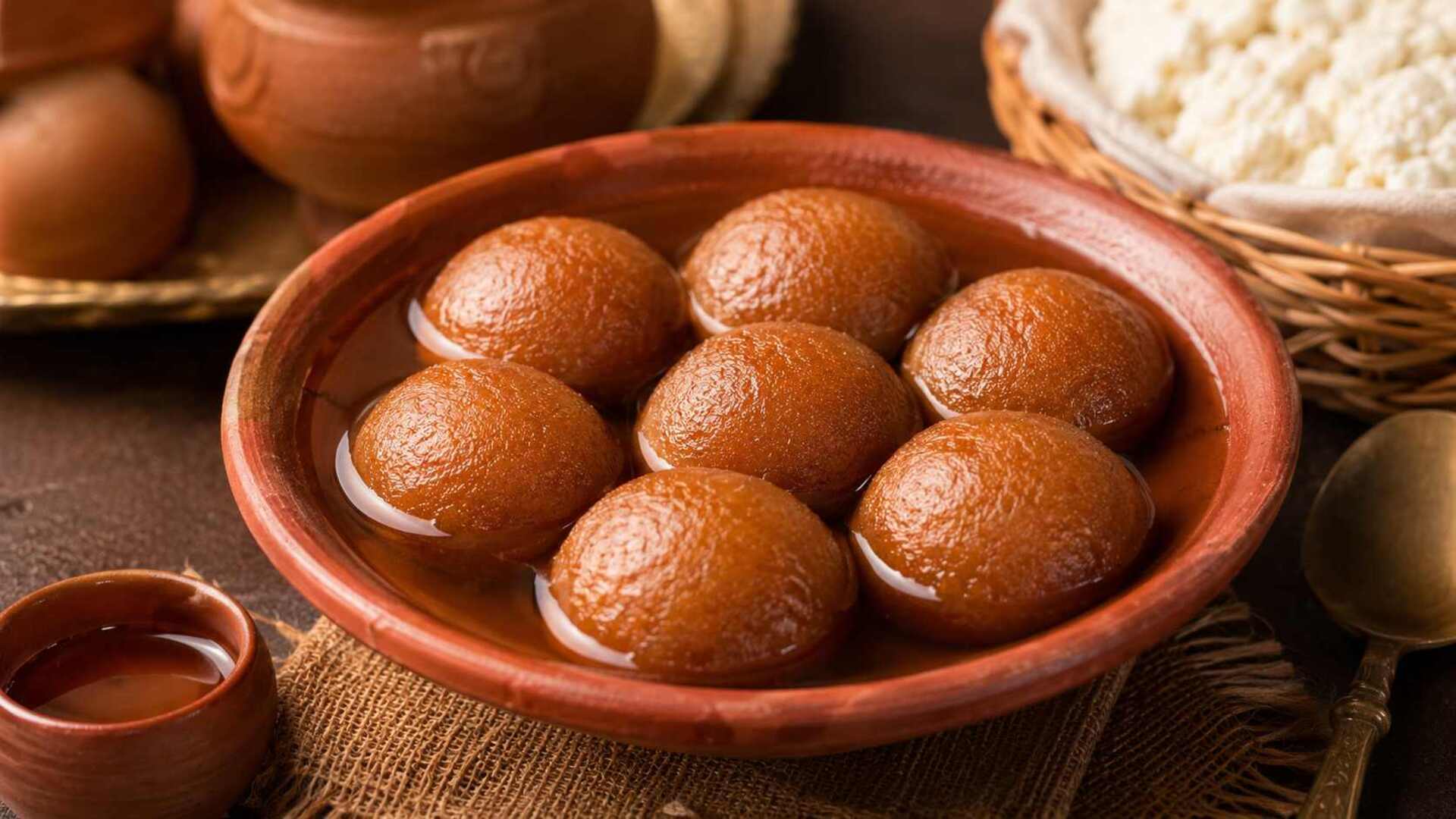
Unlike the bright white Bengali rasgulla that many people are familiar with, Pahala Rasagola has its own distinct identity. It is softer, slightly brownish, less spongy, and richer in flavor because of its unique preparation method. The sweet is deeply connected to Odisha’s cultural history and has gained national recognition for its authenticity and regional significance.
The popularity of Pahala Rasagola has grown tremendously over the years. Food lovers, tourists, bloggers, and culinary historians frequently discuss its origins, preparation techniques, and cultural importance. The sweet has become more than a dessert—it represents Odisha’s culinary identity and traditional sweet-making excellence.
This detailed guide explores everything about Pahala Rasagola, including its history, preparation process, cultural importance, unique characteristics, geographical significance, and why it remains one of India’s most celebrated traditional sweets.
The Origin of Pahala Rasagola
The story of Pahala Rasagola begins in the small town of Pahala, situated on the busy route connecting Bhubaneswar and Cuttack. Over time, this modest location transformed into a famous sweet hub because of the exceptional quality of rasagolas prepared by local sweet makers.
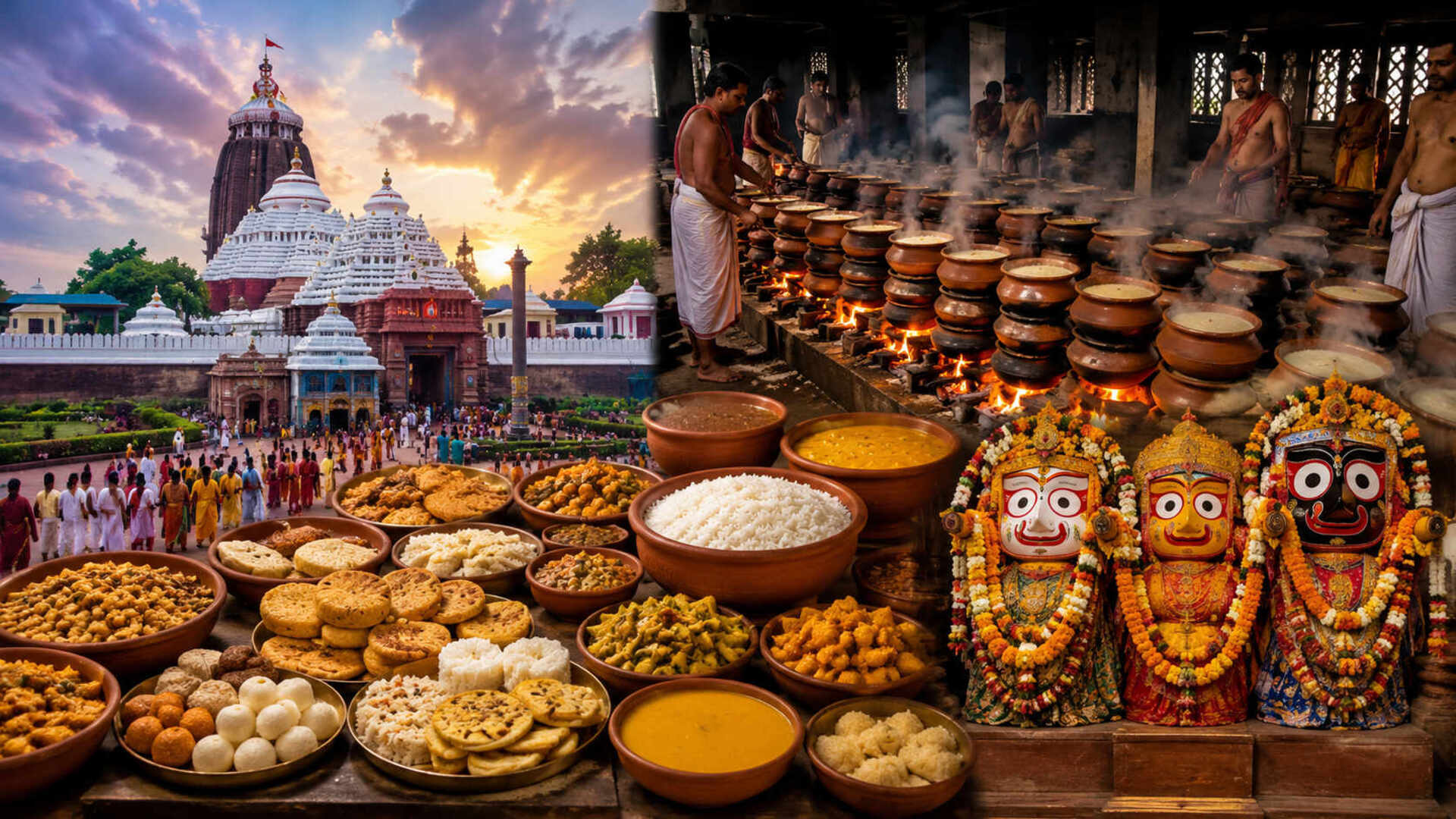
Historically, Odisha has had a long tradition of milk-based sweets linked to temple rituals and local festivals. Many historians and cultural scholars believe that Odisha’s connection with rasagola dates back several centuries, especially through the rituals of Lord Jagannath at the Jagannath Temple in Puri.
According to traditional beliefs, rasagola was associated with the ritual known as “Niladri Bije,” where Lord Jagannath offers rasagola to Goddess Lakshmi. This ritual strengthened Odisha’s cultural claim and emotional connection with the sweet.
The rise of Pahala as a famous rasagola destination happened gradually. Sweet makers traveling through the Bhubaneswar-Cuttack route began selling fresh rasagolas to travelers and commuters. As demand increased, more sweet shops emerged in the area, eventually making Pahala synonymous with high-quality rasagola.
Today, Pahala is recognized across India as one of Odisha’s most famous food destinations.
Why Pahala Rasagola Is Different
Many people compare Pahala Rasagola with Bengali rasgulla, but the two sweets differ significantly in texture, flavor, appearance, and preparation.
Distinct Color and Appearance
One of the first noticeable differences is the color. Pahala Rasagola typically has a light brown or caramelized appearance instead of a bright white color.
- This darker shade develops because of slightly prolonged cooking and caramelization of sugar syrup during preparation. The result is a richer flavor profile and deeper sweetness.
- The texture is also different. Pahala Rasagola is generally softer and less rubbery than many commercial rasgullas available in other regions.
Rich Flavor Profile
The flavor of Pahala Rasagola is subtle yet rich. It is not overwhelmingly sweet, allowing the creamy taste of chhena, or fresh cottage cheese, to stand out.
The syrup often carries mild caramel notes that enhance the overall taste experience. Because the sweet is usually served fresh, the flavor feels more authentic and homemade compared to mass-produced versions.
Softer Texture
- Another defining characteristic is softness. Pahala Rasagola is delicate and tender, often melting in the mouth.
- Achieving this texture requires careful kneading of chhena and precise temperature control during cooking. Even small mistakes in preparation can affect softness and consistency.
The Traditional Preparation Process
The preparation of authentic Pahala Rasagola involves skill, patience, and experience. Although the ingredients are simple, the technique requires mastery developed over years of practice.
Preparing Fresh Chhena
The process begins with curdling fresh milk to prepare chhena. High-quality milk plays a major role in determining the final texture and taste.
- The milk is boiled and then curdled using acidic ingredients such as lemon juice or vinegar. Once curdled, the chhena is strained through cloth to remove excess water.
- Maintaining the right moisture level is extremely important. Too much water can make the rasagola break apart during cooking, while overly dry chhena results in hard texture.
Kneading the Chhena
The chhena is kneaded thoroughly until it becomes smooth and soft.
- This step is crucial because proper kneading determines elasticity and softness. Experienced sweet makers know exactly how long the mixture should be kneaded to achieve ideal consistency.
- The dough is then rolled into small smooth balls without cracks.
Cooking in Sugar Syrup
The prepared balls are cooked in boiling sugar syrup.
- Temperature control is one of the most important aspects of this stage. The syrup must remain hot enough to cook the rasagolas evenly without making them hard.
- As the rasagolas cook, they expand and absorb syrup. The caramelized color develops gradually during this process.
Resting and Absorption
- After cooking, the rasagolas are allowed to rest in syrup for several hours.
- This resting period enhances flavor absorption and improves softness. Freshly prepared Pahala Rasagola tastes best because of its delicate texture and syrup balance.
Cultural Importance of Pahala Rasagola
Pahala Rasagola is deeply connected to Odisha’s traditions and festivals.
- Sweets in Indian culture often symbolize celebration, devotion, and hospitality. In Odisha, rasagola is especially significant because of its connection to Lord Jagannath traditions.
- During festivals and family celebrations, rasagola is commonly served to guests as a gesture of warmth and happiness.
The sweet also plays an important role in Odisha’s culinary identity. Residents of the state often take pride in introducing visitors to authentic Pahala Rasagola.
Connection with Jagannath Culture
The cultural connection between rasagola and Lord Jagannath has strengthened Odisha’s emotional attachment to the sweet.
According to temple traditions, rasagola is associated with the Niladri Bije ritual. During this ritual, Lord Jagannath offers rasagola to Goddess Lakshmi to appease her after returning from the Rath Yatra.
This tradition is considered highly significant in Odisha’s religious culture and reinforces the historical association between rasagola and the state.
The GI Tag and Odisha’s Recognition
One of the most important milestones in the history of Odisha Rasagola was receiving the Geographical Indication (GI) tag.
- The GI tag officially recognized Odisha Rasagola as a distinct regional product with unique characteristics and historical significance.
- This recognition helped preserve the sweet’s cultural identity and distinguished it from other regional variations.
The GI tag also brought national and international attention to Odisha’s culinary heritage.
Pahala: The Sweet Capital of Odisha
Over the years, Pahala evolved into a major destination for sweet lovers.
- The highway stretch between Bhubaneswar and Cuttack is lined with numerous sweet shops displaying large trays of freshly prepared rasagolas.
- Travelers often stop specifically to enjoy hot and fresh rasagolas served directly from syrup containers.
- The atmosphere itself has become part of the experience. The aroma of fresh sweets, busy shops, and traditional preparation methods create a memorable food culture unique to Pahala.
Why Tourists Love Pahala Rasagola
Tourists visiting Odisha frequently include Pahala in their food travel plans.
Several reasons contribute to its popularity:
- The freshness of the rasagolas creates a completely different experience compared to packaged sweets.
- The soft texture and rich syrup make the sweet highly satisfying.
- The authenticity and traditional preparation attract food enthusiasts interested in regional cuisine.
The cultural significance also makes tasting Pahala Rasagola feel like experiencing a part of Odisha’s heritage.
Modern Popularity and Online Recognition
In recent years, social media and food blogging have significantly increased awareness about Pahala Rasagola.
- Food influencers, travel vloggers, and culinary creators frequently feature the sweet in videos and reviews.
- Online discussions about Odisha’s culinary heritage have further strengthened its popularity across India.
- Many sweet shops now also offer packaging and delivery services, allowing customers outside Odisha to enjoy authentic rasagolas.
Challenges in Maintaining Authenticity
Despite growing popularity, maintaining authenticity remains a challenge.
Commercialization sometimes leads to shortcuts in preparation methods, affecting quality and texture.
Authentic Pahala Rasagola depends heavily on:
- Fresh milk
- Traditional preparation
- Skilled craftsmanship
- Proper syrup consistency
Mass production can compromise these elements. Preserving traditional methods is important for maintaining the sweet’s unique identity.
Nutritional Aspects of Pahala Rasagola
Like most traditional Indian sweets, Pahala Rasagola is rich and indulgent.
It contains:
- Milk protein from chhena
- Sugar syrup
- Moderate fat content
Because it is made using fresh dairy products, it also provides calcium and protein. However, it is best enjoyed in moderation because of sugar content. Freshly prepared rasagolas are generally preferred over heavily processed packaged versions.
Difference Between Odisha Rasagola and Bengali Rasgulla
The debate between Odisha Rasagola and Bengali Rasgulla has existed for years.
Although both sweets share similarities, important differences exist.
Odisha Rasagola:
- Softer texture
- Slight caramel color
- Richer syrup flavor
- Temple ritual association
Bengali Rasgulla:
- Bright white appearance
- Spongier texture
- Lighter syrup
- Different preparation style
Both sweets are culturally significant in their respective regions.
The Emotional Connection with Food Heritage
For many people in Odisha, Pahala Rasagola represents nostalgia and emotional memory.
- Families traveling between Bhubaneswar and Cuttack often stop at Pahala as part of tradition.
- The sweet is associated with childhood memories, festivals, road trips, and family gatherings.
- Food heritage creates emotional connections that go beyond taste alone.
Future of Indian Cuisine
As interest in regional Indian cuisine continues growing, the future of Pahala Rasagola appears promising.
- Consumers increasingly appreciate authentic local foods and traditional recipes.
- Food tourism, digital marketing, and GI recognition are helping preserve and promote Odisha’s culinary traditions.
- However, maintaining authenticity and supporting traditional sweet makers will remain important for preserving quality and heritage.
Conclusion
Pahala Rasagola is much more than a popular Indian sweet. It is a symbol of Odisha’s history, culture, spirituality, and culinary craftsmanship. From its connection with Jagannath traditions to its famous highway sweet shops, every aspect of Pahala Rasagola reflects authenticity and regional pride.
Its soft texture, caramelized flavor, and traditional preparation make it unique among Indian desserts. While modern popularity continues to expand its reach, the true essence of Pahala Rasagola lies in the generations of sweet makers who preserve this iconic tradition.
For food lovers, travelers, and cultural enthusiasts, tasting authentic Pahala Rasagola is not simply about enjoying dessert—it is about experiencing a rich and living part of Odisha’s heritage.