Introduction
Odisha is known for its rich cultural heritage, ancient temples, vibrant festivals, and deeply rooted culinary traditions. Among the many traditional dishes that define Odia cuisine, Bara Ghuguni holds a special place in the hearts of food lovers. This iconic street food combination is more than just a quick snack—it is a symbol of comfort, tradition, affordability, and local flavor.
Found in bustling markets, roadside stalls, school canteens, railway stations, and neighborhood food corners across Odisha, Bara Ghuguni is loved by people of all ages. The dish combines crispy lentil fritters known as “Bara” with spicy yellow pea curry called “Ghuguni.” Together, they create a flavorful, satisfying, and deeply comforting meal that has remained popular for generations.
Unlike modern fast food trends that come and go, Bara Ghuguni has maintained its identity and popularity over decades. It reflects the simplicity of traditional Odia cooking while delivering rich taste and nutrition through locally available ingredients.
This detailed guide explores the history, ingredients, preparation methods, cultural significance, nutritional value, regional variations, and growing popularity of Bara Ghuguni, one of Odisha’s most beloved street foods.
What is Bara Ghuguni?
Bara Ghuguni is a traditional Odia snack made by combining two separate dishes: Bara and Ghuguni.
Bara refers to deep-fried lentil dumplings prepared mainly from urad dal batter. These fritters are crispy on the outside and soft inside.
Ghuguni is a spicy curry made using yellow peas, onions, tomatoes, ginger, garlic, and aromatic spices. The curry is slow-cooked until thick and flavorful.
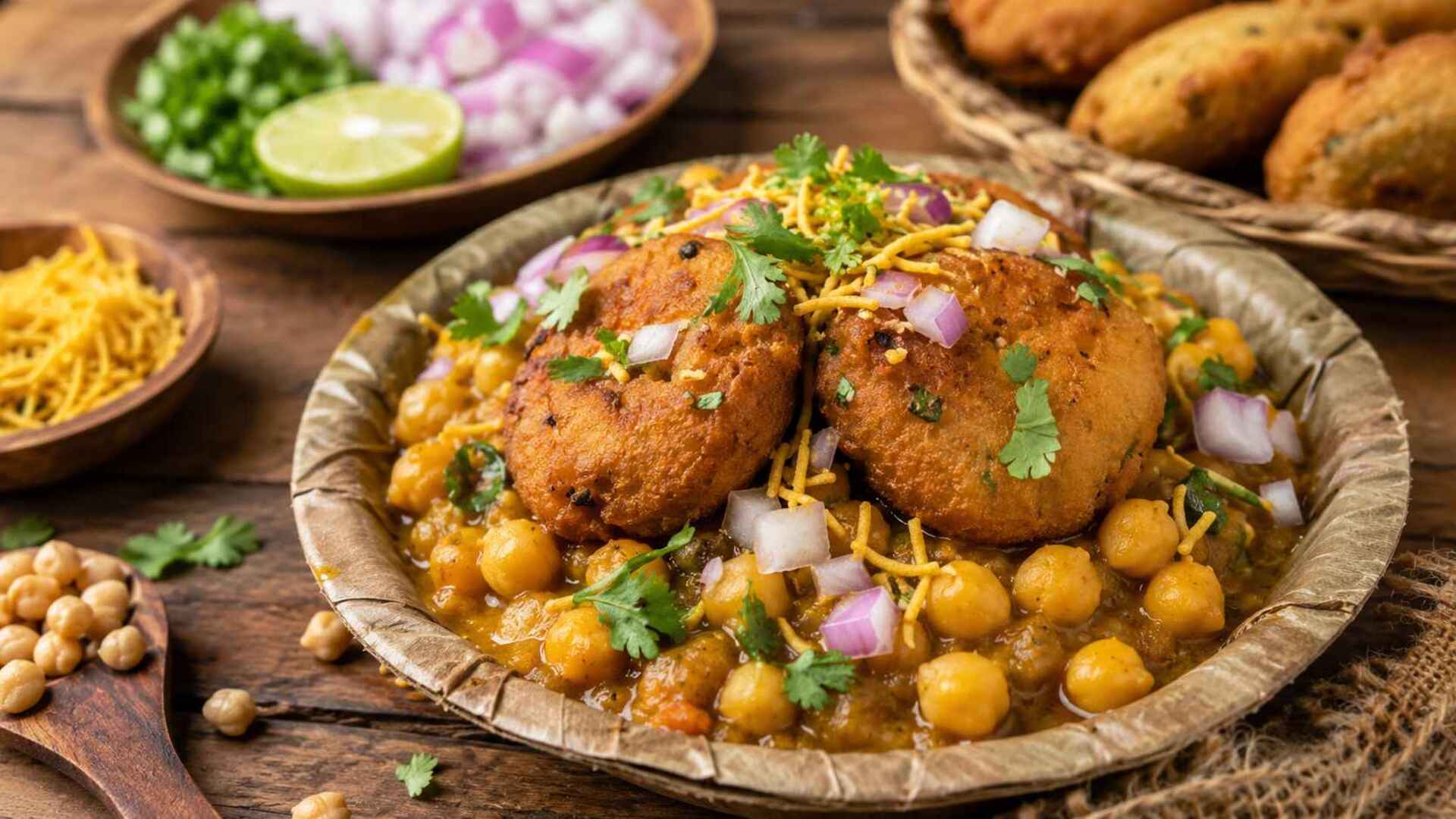
When served together, the hot Ghuguni is poured over freshly fried Bara, often topped with chopped onions, coriander, green chilies, sev, or tangy chutneys. The result is a dish that balances crispiness, softness, spice, and warmth in every bite.
Bara Ghuguni is commonly eaten as:
- Breakfast
- Evening snack
- Street food meal
- Festival food
- Comfort food during rainy weather
Its popularity comes from both its affordability and satisfying taste.
Historical Background of Bara Ghuguni
The origins of Bara Ghuguni are deeply connected to Odisha’s street food culture and local culinary traditions.
Historically, lentils and peas have been staple ingredients in Odia households because they are affordable, nutritious, and easily available. Traditional Odia cuisine has always emphasized simple ingredients transformed into flavorful dishes through spices and cooking techniques.
Over time, street vendors began combining crispy Bara with spicy Ghuguni to create a filling and inexpensive snack for workers, students, and travelers. The dish quickly became popular because it was easy to prepare in large quantities and provided energy at a low cost.
Bara Ghuguni gradually evolved into a cultural staple, especially in cities like Cuttack, Bhubaneswar, Puri, Sambalpur, and Berhampur. Today, it is considered one of the signature street foods of Odisha.
For many Odias living outside the state, Bara Ghuguni also carries emotional and nostalgic value, reminding them of home, childhood memories, school days, and local markets.
The Cultural Importance of Bara Ghuguni
Food often reflects the cultural identity of a region, and Bara Ghuguni is no exception.
In Odisha, this dish is not viewed merely as fast food. It is associated with:
- Community gatherings
- Evening tea culture
- Festival celebrations
- Local street food traditions
- Everyday social interactions
Street food stalls serving Bara Ghuguni often become informal meeting spaces where people gather to talk, relax, and enjoy local flavors.
The dish is especially popular during monsoon and winter seasons because the hot and spicy curry provides warmth and comfort.
Bara Ghuguni also represents the essence of Odia hospitality. It is common for families to prepare the dish during special occasions or serve it to guests as a homemade snack.
Understanding Bara: The Crispy Lentil Fritter
What is Bara?
Bara is a savory deep-fried fritter made primarily from soaked and ground urad dal.
- The batter is whipped until light and airy before frying, which creates a crispy outer layer and soft interior.
- Although similar to Medu Vada from South India, Odia Bara is usually smaller, softer, and often served without a hole in the center.
Ingredients Used in Bara
Traditional Bara uses simple ingredients, including:
- Urad dal
- Salt
- Ginger
- Green chilies
- Curry leaves
- Cumin seeds
- Oil for frying
Some variations also include onions or coriander leaves for extra flavor.
Preparation Process of Bara
The process begins by soaking urad dal for several hours. The dal is then ground into a smooth batter with minimal water.
- The batter is whipped thoroughly to incorporate air, which helps create soft and fluffy fritters.
- Spices and herbs are added before shaping small portions and deep frying them until golden brown.
- The frying process is crucial because properly fried Bara should remain crispy outside while soft and airy inside.
Understanding Ghuguni: The Flavorful Pea Curry
What is Ghuguni?
Ghuguni is a spicy curry made from dried yellow peas or white peas cooked with onions, tomatoes, and traditional Indian spices.
- It is thick, flavorful, and slightly tangy, making it the perfect accompaniment for Bara.
- Ghuguni itself is popular across Eastern India, but Odisha’s version has a distinct flavor profile shaped by local spices and cooking methods.
Ingredients Used in Ghuguni
The main ingredients include:
- Yellow peas
- Onion
- Tomato
- Ginger
- Garlic
- Turmeric
- Red chili powder
- Cumin
- Coriander powder
- Garam masala
Fresh coriander and lemon juice are often added before serving.
Preparation Process of Ghuguni
The yellow peas are soaked overnight and pressure-cooked until soft.
- A masala base is prepared using onions, tomatoes, ginger, garlic, and spices. The cooked peas are then added and simmered until the curry thickens.
- Slow cooking allows the peas to absorb the spices fully, resulting in rich flavor and texture.
- Some street vendors cook Ghuguni for several hours to develop deeper taste and consistency.
Why Bara Ghuguni is So Popular
The popularity of Bara Ghuguni comes from a combination of factors.
- Affordable and Filling: The dish is inexpensive yet highly satisfying, making it accessible to people from all backgrounds.
- Rich Flavor Combination: The crispy Bara contrasts beautifully with the spicy and soft Ghuguni.
- Comfort Food Appeal: The warm curry and fried fritters create a comforting and nostalgic eating experience.
- Widely Available: Bara Ghuguni stalls can be found throughout Odisha, especially in busy marketplaces and roadside food corners.
- Suitable for All Ages: Children, adults, and elderly people all enjoy the dish because of its balanced texture and flavor.
Regional Variations of Bara Ghuguni in Odisha
Different regions of Odisha prepare Bara Ghuguni in slightly different ways.
Cuttack Style Bara Ghuguni
Cuttack is particularly famous for its spicy and flavorful version. Vendors often add chopped onions, sev, and tangy chutneys for extra taste.
Bhubaneswar Style
In Bhubaneswar, the dish is often slightly milder and served with more garnishing.
Puri Style
Near temple areas and beaches, vendors sometimes add tamarind chutney and extra spices to attract tourists.
Sambalpur and Western Odisha
The spice level is usually higher, reflecting regional taste preferences.
These variations showcase the diversity of Odia street food culture.
Nutritional Value of Bara Ghuguni
Although often categorized as street food, Bara Ghuguni also provides nutritional benefits.
Protein-Rich Ingredients
Both urad dal and yellow peas are rich in plant-based protein.
High Fiber Content
The peas and lentils provide dietary fiber, supporting digestion and fullness.
Energy-Boosting Meal
The combination of carbohydrates, protein, and fats makes the dish filling and energizing.
Spices with Health Benefits
Traditional spices like turmeric, ginger, and cumin contribute antioxidants and digestive support.
However, moderation is important because deep frying increases calorie content.
The Role of Bara Ghuguni in Odisha’s Street Food Culture
Street food is an essential part of Odisha’s food identity, and Bara Ghuguni remains one of its most iconic dishes.
- Unlike expensive restaurant meals, street food connects directly with everyday people.
- Vendors prepare Bara Ghuguni fresh in front of customers, creating a lively and authentic food experience.
- The aroma of frying Bara and simmering Ghuguni is instantly recognizable in local markets.
- For many residents, eating Bara Ghuguni is a daily ritual rather than an occasional indulgence.
Bara Ghuguni During Festivals and Celebrations
Although commonly eaten year-round, Bara Ghuguni becomes especially popular during:
- Rath Yatra
- Durga Puja
- Local fairs
- School events
- Community gatherings
Large quantities are often prepared for social events because the dish is economical and widely loved.
Its ability to feed many people affordably makes it ideal for festive occasions.
Homemade Bara Ghuguni vs Street-Style Bara Ghuguni
Homemade Version
- Homemade Bara Ghuguni is usually lighter and less oily. Families often customize spice levels according to preference.
- Fresh ingredients and hygienic preparation make home-cooked versions healthier.
Street-Style Version
Street vendors focus on bold flavors, crispy texture, and rich spices.
- The smoky aroma, high heat frying, and secret spice mixes often create flavors difficult to replicate at home.
- Both versions have their own appeal.
Modern Adaptations of Bara Ghuguni
As food culture evolves, modern versions of Bara Ghuguni have emerged.
Some restaurants now serve:
- Baked Bara instead of fried
- Fusion toppings like cheese or mayonnaise
- Health-focused versions using less oil
- Mini snack-sized portions
Despite these innovations, traditional Bara Ghuguni remains the preferred choice for most people.
Common Mistakes While Preparing Bara Ghuguni
- Using Thin Batter
- Undercooking the Peas
- Overusing Spices
- Incorrect Oil Temperature
- Oil that is too hot or too cold affects crispiness.
- Proper preparation requires balance and patience.
Why Bara Ghuguni Continues to Thrive
In an era dominated by burgers, pizzas, and processed snacks, Bara Ghuguni continues to remain relevant.
Its popularity survives because it offers:
- Authentic taste
- Affordability
- Cultural familiarity
- Nutritional value
- Emotional connection
Traditional foods often survive because they create experiences that modern fast food cannot replace.
Bara Ghuguni represents not only flavor but also memory, identity, and community.
The Global Appeal of Traditional Indian Street Foods
Indian regional street foods are gaining international recognition, and dishes like Bara Ghuguni have the potential to attract global audiences.
- As travelers and food bloggers explore regional cuisines, Odisha’s culinary heritage is receiving more attention.
- Traditional dishes prepared with lentils, peas, and spices also align with growing interest in vegetarian and plant-based foods worldwide.
Conclusion
Bara Ghuguni is far more than a street snack. It is a reflection of Odisha’s culinary traditions, local culture, and community life. The combination of crispy Bara and spicy Ghuguni creates a dish that is simple yet deeply satisfying.
Its enduring popularity comes from its ability to balance affordability, flavor, comfort, and tradition. Whether enjoyed at a roadside stall during monsoon evenings or prepared at home for family gatherings, Bara Ghuguni continues to connect people through shared taste and memory.
As interest in traditional Indian cuisine grows, Bara Ghuguni stands as a proud example of how regional dishes can preserve cultural identity while continuing to evolve for future generations.