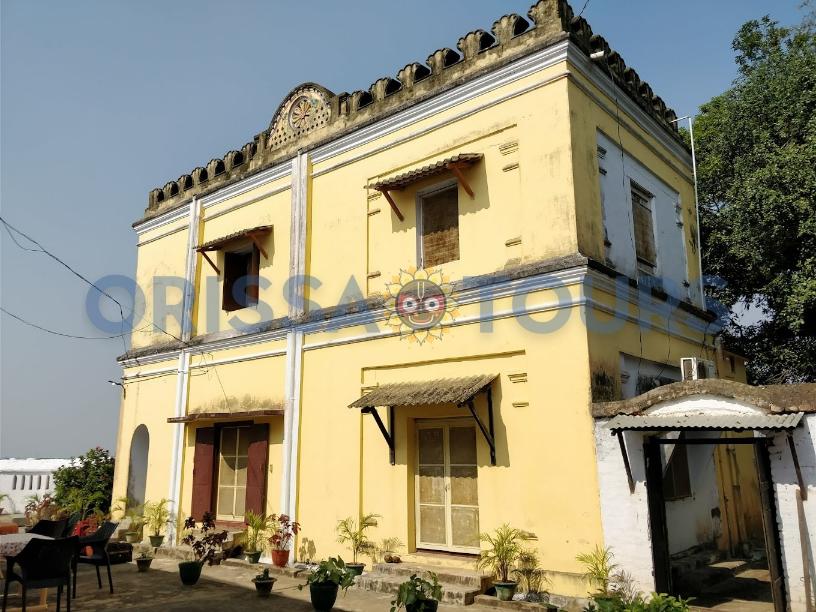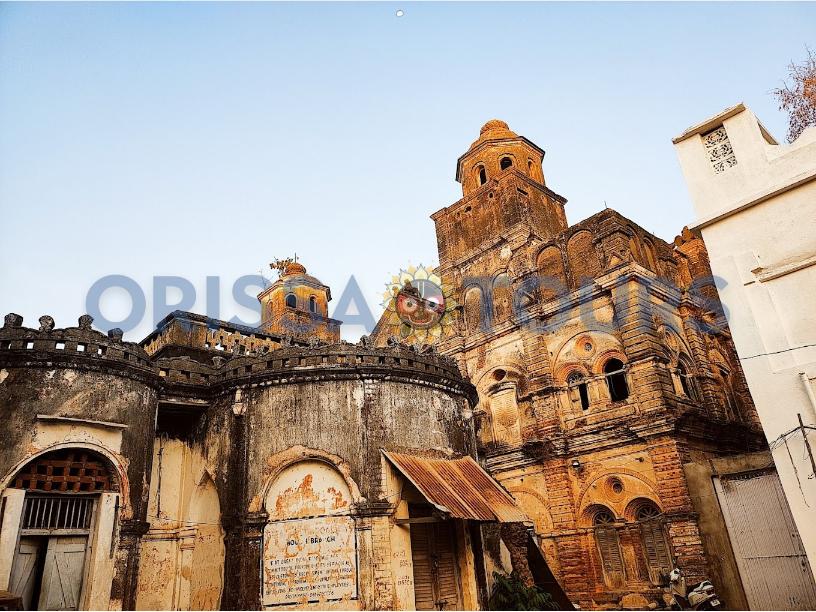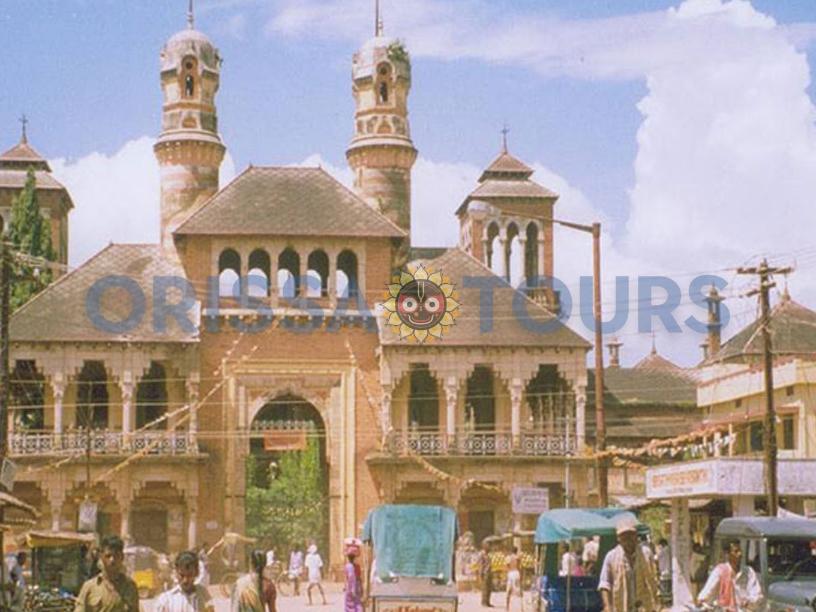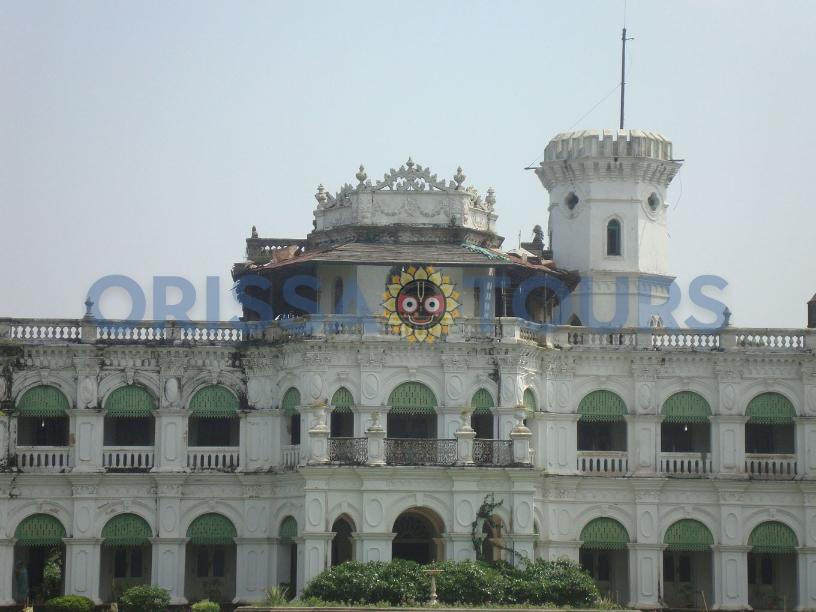
The Khandapada King Palace commemorates the various hues of the cultural and historical heritage of Nayagarh in Odisha. Located in the serene town of Khandapada in Nayagarh district, this palace is more than just an ancient structure—it is a living testament to the grandeur of the Khandapada royal family who once ruled the region.
Surrounded by the quiet charm of small-town Odisha, the palace offers visitors a rare opportunity to step back in time and experience the lifestyle, governance, and artistic sensibilities of a bygone era. Its proximity to the famous Jagannath Temple further enhances its cultural and spiritual importance, making it one of the most significant heritage sites in Nayagarh.
For travelers searching for historical places in Odisha, royal palaces in India, or hidden heritage destinations, Khandapada King Palace is an underrated gem that deserves a place on every itinerary.
Historical Significance of Khandapada King Palace
The history of Khandapada King Palace dates back several centuries, when the region was ruled by the Khandapada dynasty. These rulers were known not only for their administrative capabilities but also for their patronage of art, culture, and religion.
The palace served as the royal residence and administrative center, where important decisions regarding governance, trade, and social welfare were made. Over time, it became a hub of cultural activities, hosting festivals, ceremonies, and royal gatherings that defined the social life of the region.
What makes this palace particularly significant is its connection to Odisha’s broader historical narrative. It reflects the decentralized nature of regional kingdoms that coexisted while contributing to the cultural richness of the state.
Even today, the palace stands as a proud reminder of:
- Odisha’s feudal history
- The legacy of regional kingship
- The evolution of art and architecture in Eastern India
Architectural Marvel of Khandapada King Palace
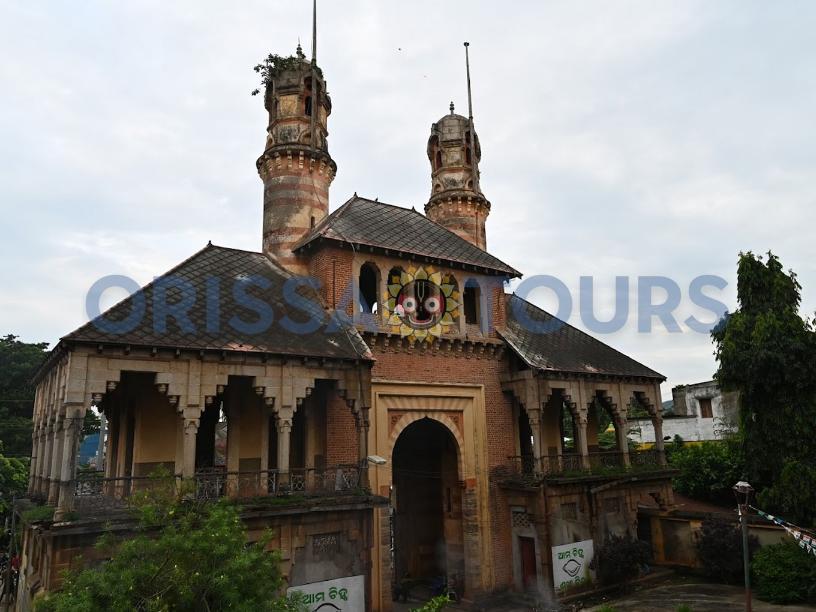
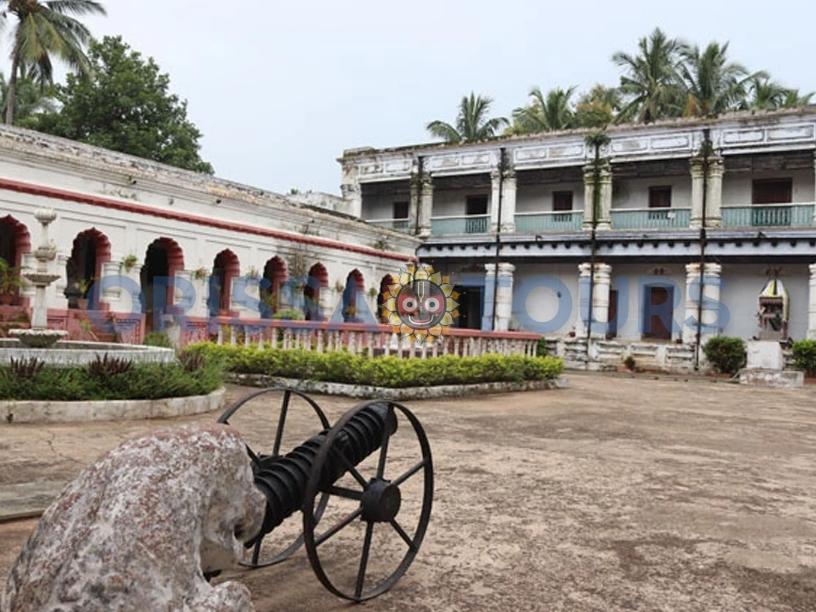
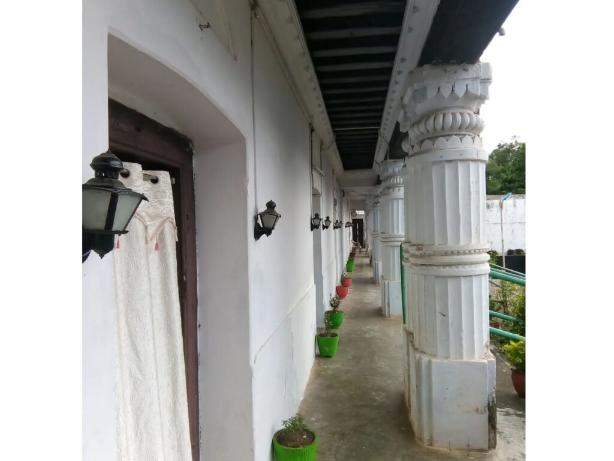
One of the best examples of Odia architecture stands out in the Khandapada King Palace. It is a perfect blend of grace and utility. Stone walls of beautiful intricate carvings, spacious courtyards, towering pillars – everything speaks of the craftsmanship that existed during the time. It was able to achieve this rustic charm through locally available materials such as laterite stone and wood.
Key Architectural Features
- Intricately carved stone walls featuring floral and mythological motifs
- Spacious courtyards designed for ventilation and gatherings
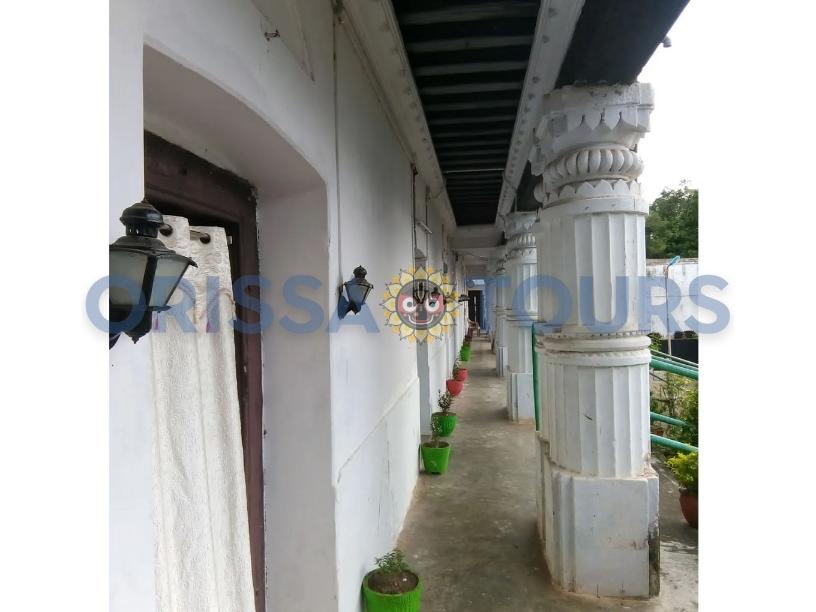
- Massive pillars symbolizing strength and grandeur
- Ornate entrance gateways adorned with deity carvings
The palace design reflects a dual purpose:
- Defense: Fort-like elements ensured protection from external threats
- Luxury: Artistic details highlighted the king’s refined taste
Inside the palace, visitors can witness remnants of:
- Frescoes depicting mythological stories
- Murals illustrating royal life and traditions
- Decorative elements showcasing ancient artistic techniques
This makes the palace a must-visit for those interested in heritage architecture in Odisha and traditional Indian palace design.
A combination of fortification and show, the design reflects the two folds of purpose for which the king must have built this edifice for himself – a protector and a patron of arts. The main entrance, opulently adorned with motifs of deities and floral patterns, carries one into the grandeur within.
Visitors will also experience the magnificent frescoes and murals preserved in great beauty and reflecting mythological themes or royal life. The architectural brilliance of the Khandapada King Palace is a hallmark in Nayagarh and a treasure for architecture enthusiasts.
The Spiritual Connection – Khandapada King Palace and Jagannath Temple
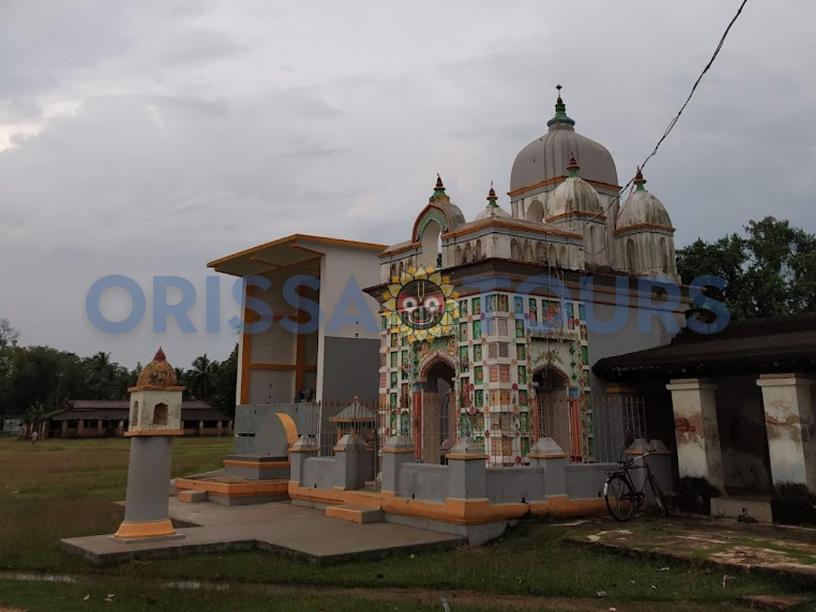
The Khandapada King Palace shares a very deep spiritual link with the Jagannath Temple, which is one of the most important pilgrimages in Nayagarh, Odisha. The royal family of Khandapada were devoted followers of Lord Jagannath and played an active role in:
- Temple construction and renovation
- Sponsoring religious rituals and festivals
- Participating in ceremonial traditions
This connection highlights the integral relationship between royalty and religion in ancient India.
Festivals and Cultural Importance
One of the most significant events associated with this connection is the Rath Yatra, during which thousands of devotees gather to celebrate with devotion and enthusiasm.
The palace’s proximity to the temple allowed the royal family to maintain a strong spiritual life, making it not just a political center but also a place of religious significance.
The kings of this family had an active part in rituals. The Jagannath Temple is very near and famous for its calm atmosphere and architectural richness, so it’s very near nature to the palace making it a comfortable spiritual retreat for the royals.
Even now, the ties are celebrated with annual festivals like Rath Yatra, where many thousands of devotees throng. This completes another dimension to the Khandapada King Palace in being a cultural and religious heritage.
Exploring the Surroundings – Nayagarh’s Hidden Gems
The Khandapada King Palace certainly dominates Nayagarh, although several lesser-known attractions lie scattered across the town. The greenery surrounding these areas is a perfect haven for nature lovers. The stillness varies between the banks of the Mahanadi River as opportunities for picnics and long walks.
While Khandapada King Palace is the highlight, the surrounding region of Nayagarh offers several attractions that enhance the overall travel experience.
1. Mahanadi River Banks
The nearby riverbanks provide a peaceful escape for nature lovers, offering scenic views, picnic spots, and tranquil walking trails.
2. Ancient Temples
Nayagarh is dotted with historic temples, each showcasing unique architectural styles and spiritual traditions.
3. Local Markets
The vibrant local markets offer:
- Traditional Odia handicrafts
- Handwoven textiles
- Authentic local cuisine
These markets provide insight into the daily lives and cultural richness of the region.
4. Natural Landscapes
Lush greenery, rolling hills, and serene surroundings make Nayagarh an ideal destination for eco-tourism and slow travel.
Preserving the Legacy – Efforts to Restore Khandapada King Palace
Not merely an antique edifice, the Khandapada King Palace remains a living legacy underlining inspiration across generations. With an insight into the cultural value, the palace is under the care of both the Odisha government and local authorities, who have taken many initiatives toward its preservation and restoration.
Structural repair, mural conservation, and fostering tourism prospects for awareness and fund generation are among these efforts. The cultural festivals in addition to heritage walks with their opportunities for exploration keep the palace in the limelight and encourage participation from history enthusiasts and tourists across the nation.
These initiatives aim to:
- Protect the palace from deterioration
- Increase awareness among tourists
- Generate revenue for ongoing maintenance
Preservation efforts ensure that future generations can continue to experience the grandeur and legacy of this historic monument.
The authorities also aim to keep the Khandapada kings’ tales alive and offer a potential experience for future generations of the grandeur of Odisha’s royal past by saving this architectural masterpiece. The restoration of the Khandapada King Palace is a testimony to the never-dying spirit of heritage conservation.
Why Khandapada King Palace Should Be on Your Travel Bucket List
The Khandapada King Palace must make it to your travel bucket list if Odisha is on your itinerary! This historical gem speaks of royal majesty, architectural brilliance, and a spiritual aura like none other. History enthusiasts, architecture lovers, and spiritual seekers all get something from the palace.
Top Reasons to Visit
- Rich royal history and heritage
- Stunning traditional architecture
- Close proximity to Jagannath Temple
- Peaceful and less crowded environment
- Access to nearby natural and cultural attractions
Unlike commercial tourist spots, the palace provides a calm and immersive experience, ideal for travelers seeking authenticity and depth.
The other tourist delights of Nayagarh near the Jagannath Temple make it an easy addition to your trip. Calm and with a historical air, the palace offers a nice escape from the tensions of modern life. So get ready to pack your bags and take a trip down memory lane at Khandapada King Palace, where every corner has a story to tell about Odisha’s glorious past.
Tourist Facilities, Transportation, Tourist Attractions, How to Reach, Accessibility
Opening Time
Khandapada Jagannath Temple opening time is Monday to Sunday 6:00 am to Evening 9:00 pm
Closest Bus Stop
The Closest Bus stop is Khandapada, which is located around 7 Km distance from Khandapada Rajabaati
Closest Airport
The Closest airport is Biju Patnaik International Airport, which is located around 81 km from Khandapada Jagannath Temple
Closest Railway Station
The Closest Railway Station is Nayagarh Town, which is located around 17 Km distance from Khandapada Rajabaati
Best Time to visit
The best time to visit Khandapada Palace is all time of the years
Travel Tips for Visitors
To make the most of your visit, keep these practical tips in mind:
- Wear comfortable footwear for exploring large areas
- Carry water, snacks, and essentials
- Visit during early morning or evening hours for better weather
- Respect local customs and temple guidelines
- Hire a local guide for deeper historical insights
Conclusion
Khandapada King Palace is not just a historical monument—it is a narrative carved in stone, telling stories of royal grandeur, artistic excellence, and spiritual devotion. Its architectural beauty, cultural significance, and serene surroundings make it one of Odisha’s most underrated yet fascinating destinations.
Whether you are a history enthusiast, architecture lover, spiritual seeker, or traveler looking for offbeat destinations, this palace promises an enriching and memorable experience.
Exploring Khandapada King Palace is like stepping into a living museum where every wall, corridor, and courtyard echoes the legacy of Odisha’s glorious past.