Overview of Dalma
Dalma is among Odisha’s most cherished and wholesome dishes, celebrated for its simplicity, balanced taste, and deep cultural heritage. This traditional preparation combines lentils (dal) with an assortment of seasonal vegetables, resulting in a meal that is both nutritious and comforting. Unlike many other Indian curries, Dalma traditionally uses minimal spices and excludes onion and garlic, allowing the natural flavors of each ingredient to shine.
A staple in Odia households, Dalma is not only a regular feature of daily meals but also holds significance during festivals and religious events. Its adaptability makes it suitable for both everyday cooking and grand festive spreads, ensuring it appeals to all occasions.
What is Dalma?
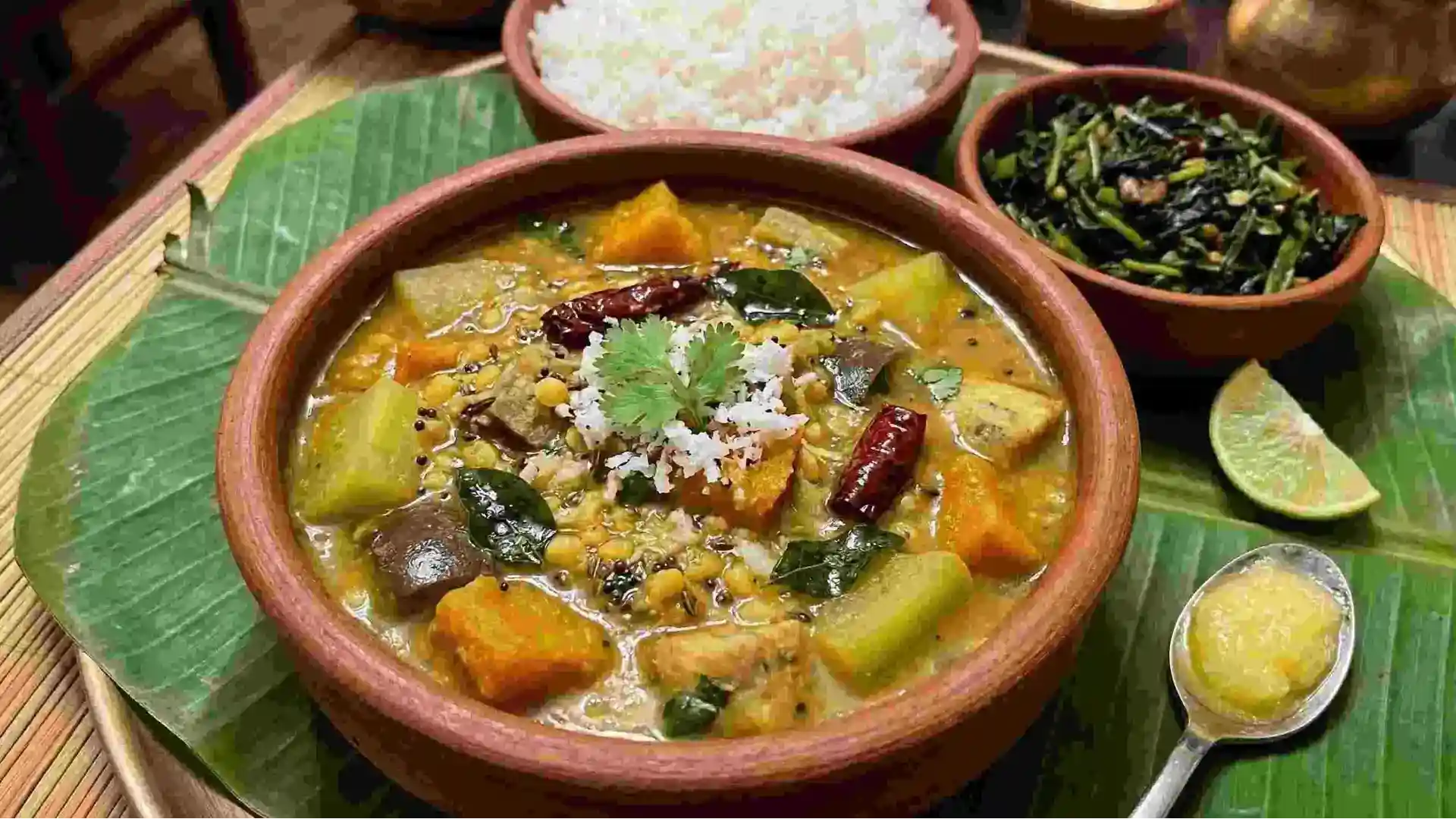
Dalma is a classic Odia preparation where lentils, most commonly toor dal or moong dal, are cooked with vegetables such as raw banana, pumpkin, papaya, potato, and eggplant. The dish is lightly seasoned and often finished with a tempering of cumin seeds, mustard seeds, and dried red chilies.
Its uniqueness lies in its balance—protein-rich dal combined with fiber-filled vegetables makes it hearty yet easy to digest. Mildly spiced with an earthy, slightly sweet taste from vegetables like pumpkin, Dalma is light, nutritious, and pairs beautifully with steamed rice for an everyday meal.
Nutritional Significance of Dalma
Dalma is celebrated not only for its delightful taste but also for its impressive health benefits, making it a staple in Odia households. The dish primarily consists of lentils, which are an excellent source of plant-based protein, essential for building and repairing tissues, supporting immunity, and maintaining overall health. Alongside the lentils, a carefully selected mix of seasonal vegetables adds a vibrant array of nutrients—rich in dietary fiber, vitamins, and essential minerals such as potassium, iron, and magnesium. This combination ensures that Dalma is not only flavorful but also highly nourishing, offering a wholesome balance of macronutrients and micronutrients.
Traditionally, Dalma is served with steamed rice, creating a comforting and complete meal that satisfies both the palate and the body. Often accompanied by simple sides such as a crisp salad, chutney, or a bowl of yogurt, it highlights the Odia philosophy of minimal yet thoughtful preparation, where every ingredient plays a role in enhancing taste and nutrition. Unlike heavily spiced curries, Dalma emphasizes the natural flavors of its ingredients, allowing the subtle sweetness of vegetables and the earthy richness of lentils to shine through.
Origins and Cultural Importance
Dalma has profound cultural and religious roots in Odisha. It is an essential component of Mahaprasad at the Jagannath Temple in Puri, where it is prepared without onion or garlic in adherence to traditional practices. Temple-style Dalma is considered sacred and is consumed by thousands of devotees daily.
The dish originates from Odisha’s agrarian traditions, reflecting a philosophy of simple, mindful eating. Utilizing locally grown lentils and vegetables, Dalma emphasizes nutrition and balance rather than extravagance. During festivals and religious ceremonies, Dalma symbolizes purity and tradition, making it suitable for fasting and spiritual occasions.
Types of Dalma
Traditional Dalma
This is the most authentic version, prepared without onion and garlic. Traditional Dalma uses basic spices such as cumin and ginger, often with a hint of ghee, combined with seasonal vegetables like raw banana, pumpkin, papaya, and beans. The emphasis is on simplicity, allowing the natural flavors to stand out while retaining its nutritious profile.
Temple Dalma
Temple-style Dalma follows sattvic cooking principles, excluding ingredients like onion, garlic, or tamasic items. It is commonly prepared as offerings in temples and follows age-old preparation methods. Minimal spices highlight subtle, yet deeply satisfying flavors, reflecting the spiritual importance of food in Odia culture.
Spicy Dalma
A modern variation, spicy Dalma incorporates extra chilies and spices for those who prefer bolder flavors. While the main lentils and vegetables remain the same, this adaptation adds heat and intensity while preserving the essence of the traditional dish.
Mixed Vegetable Dalma
This version includes a larger assortment of vegetables such as carrots, beans, brinjal, pumpkin, and leafy greens. The variety enhances the dish’s color, texture, and nutritional content, making it visually appealing and hearty for those who enjoy a diverse vegetable mix.
Ingredients
Main
- 1 cup toor dal (split pigeon peas) or moong dal (Note 1)
- 1½–2 cups mixed vegetables (raw banana, pumpkin, papaya, potato, brinjal)
- 3–4 cups water
- Salt, to taste
Spices & Tempering
- 1 tsp cumin seeds
- 1 tsp mustard seeds
- 2–3 dry red chilies
- ½ tsp turmeric powder
- 1–2 bay leaves
Optional (Modern Additions)
- 1 tsp grated ginger
- 2–3 garlic cloves, minced (not traditional)
Recipe
1. Wash & Soak Dal
Rinse the dal thoroughly until water runs clear. Soak for 20–30 minutes for faster cooking and better digestion.
2. Prepare Vegetables
Chop vegetables into medium-sized chunks so they hold their shape after cooking.
3. Cook Dal & Vegetables
Combine dal, vegetables, turmeric, salt, and water in a cooker or pot. Cook until soft yet slightly firm.
4. Lightly Mash
Gently mash to achieve a coarse, rustic texture—not fully smooth.
5. Make the Tempering (Tadka)
Heat oil or ghee. Add cumin, mustard seeds, red chilies, and bay leaves. Let them crackle. Add ginger (and garlic if using).
6. Combine & Simmer
Pour tempering over dal. Mix and simmer for 3–5 minutes.
7. Serve
Serve hot with steamed rice, papad, or pickle.
Nutrition Facts (Per Serving)
(Approximate values – based on 4 servings)
- Calories: 220–260 kcal
- Protein: 10–12 g
- Carbohydrates: 32–38 g
- Fiber: 8–10 g
- Fat: 5–7 g
- Saturated Fat: 1–2 g
- Sodium: 200–300 mg (varies with salt)
- Potassium: 500–650 mg
- Iron: 2–3 mg
Notes
- Dal choice: Toor dal is traditional; moong dal is lighter and easier to digest.
- Vegetables: Use seasonal produce—this dish is flexible.
- Traditional version: No onion or garlic used.
- Storage: Keeps well for 1–2 days in the fridge; flavors deepen over time.
Where is Dalma Most Popular?
Bhubaneswar
Bhubaneswar offers a wide range of Dalma—from traditional home-style recipes to slightly modernized restaurant versions. The city allows visitors to explore both authentic and contemporary interpretations.
Puri
Famous for its temple-style Dalma served as part of Mahaprasad at Jagannath Temple. Prepared without onion or garlic, this version adheres to sattvic principles and provides a spiritually meaningful culinary experience.
Cuttack
Cuttack is known for its authentic home-style Dalma, following family recipes passed down through generations. The focus is on simplicity, using fresh ingredients and minimal spices for natural flavors.
Rural Odisha
In rural areas, Dalma is prepared using locally sourced vegetables, often cooked over wood-fired stoves. This rustic version highlights the earthy flavors and cultural significance of Dalma in everyday life.
Why You Should Try Dalma
Dalma is a perfect blend of taste, nutrition, and tradition.
- It is rich in protein, fiber, vitamins, and minerals.
- Its simple yet flavorful preparation proves nutritious food can be delicious.
- Dalma holds cultural and religious significance, often prepared during festivals, rituals, and temple offerings.
- It is low in fat, minimally spiced, and easy to digest, making it ideal for all age groups.
- Seasonal vegetables enhance freshness, taste, and nutritional value throughout the year.
Dalma celebrates natural flavors without relying on heavy spices or complex techniques. Its simplicity and wholesome nature make it comforting, nourishing, and timeless.