

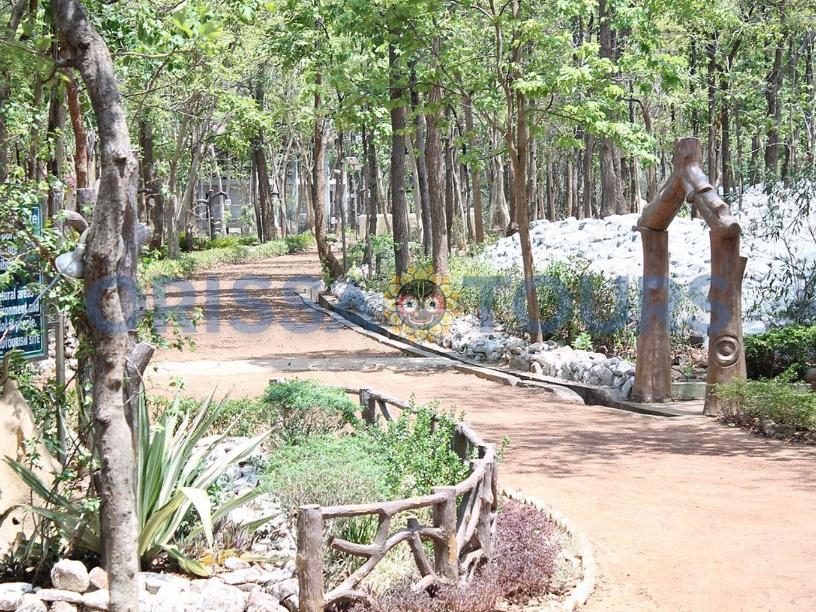


Odisha is a land blessed with rich biodiversity, dense forests, majestic rivers, and breathtaking landscapes that attract travelers from all over India. While the state is widely recognized for its temples, beaches, and cultural heritage, it is equally famous for its remarkable wildlife destinations. Among these natural treasures, the Debrigarh Wildlife Sanctuary stands out as one of the most beautiful and ecologically significant wildlife sanctuaries in eastern India.
Located approximately 35 kilometers from Sambalpur, Debrigarh Wildlife Sanctuary stretches gracefully along the massive Hirakud Reservoir, creating a mesmerizing blend of forests, hills, water bodies, and wildlife habitats. Spread across an area of around 347 square kilometers, the sanctuary is a paradise for wildlife enthusiasts, photographers, birdwatchers, adventure seekers, and nature lovers.

The sanctuary is not just important for its wildlife diversity but also for its historical significance. The forests of Debrigarh are closely associated with the legendary freedom fighter Veer Surendra Sai, who fought bravely against British colonial rule. The area known as Barapathara, located within the sanctuary, served as one of his strategic bases during the rebellion. Thus, Debrigarh beautifully combines history, patriotism, and nature into one unforgettable destination.
The sanctuary is especially known for:
- Rich biodiversity
- Spectacular wildlife sightings
- Scenic views of Hirakud Reservoir
- Eco-tourism activities
- Nature camps and jungle stays
- Birdwatching opportunities
- Peaceful forest landscapes
Whether you are planning a wildlife adventure, a photography trip, a peaceful retreat, or an educational nature tour, Debrigarh Wildlife Sanctuary offers an experience unlike any other in Odisha.

Historical Significance of Debrigarh Wildlife Sanctuary
Debrigarh Wildlife Sanctuary is deeply connected to the history of Odisha and India’s freedom movement. Long before it became a protected wildlife area, these forests witnessed the courageous resistance led by Veer Surendra Sai, one of Odisha’s greatest freedom fighters.
During the 19th century, Veer Surendra Sai fought tirelessly against British rule in western Odisha. The dense forests and rugged hills of Debrigarh provided him with strategic shelter and support during his rebellion. The location called Barapathara inside the sanctuary became an important base for his revolutionary activities.
The sanctuary therefore carries both ecological and patriotic significance. Visitors exploring Debrigarh not only experience the beauty of nature but also walk through landscapes that once echoed with the spirit of resistance and bravery.
The forests of Debrigarh symbolize:
- Courage and sacrifice
- Historical resistance against colonial rule
- Preservation of Odisha’s heritage
- Harmony between nature and history
Today, the sanctuary preserves this historical legacy while also protecting countless species of flora and fauna.
Geography and Landscape of Debrigarh Wildlife Sanctuary
One of the most fascinating aspects of Debrigarh Wildlife Sanctuary is its stunning geographical setting. Situated near the famous Hirakud Dam, the sanctuary enjoys a unique ecosystem formed by forests, hills, rivers, reservoirs, and grasslands.
The sanctuary primarily consists of:
- Dry deciduous forests
- Mixed forest vegetation
- Water bodies and wetlands
- Rocky hills and valleys
- Grasslands and open clearings
The presence of the vast Hirakud Reservoir enhances the scenic beauty of the sanctuary dramatically. During sunrise and sunset, the views of the reservoir surrounded by forested hills create breathtaking landscapes that attract photographers and travelers alike.
The terrain of Debrigarh supports a wide variety of wildlife species because it provides:
- Abundant water sources
- Dense shelter for animals
- Rich vegetation for herbivores
- Suitable nesting grounds for birds
The sanctuary’s peaceful natural environment makes it an ideal escape from urban life.
Wildlife at Debrigarh Wildlife Sanctuary
Debrigarh Wildlife Sanctuary is internationally recognized for its rich biodiversity and thriving wildlife population. It is one of the best places in Odisha to observe animals in their natural habitat.
The sanctuary is home to more than:
- 40 species of mammals
- 234 species of birds
- 41 species of reptiles
- 12 species of amphibians
- 42 species of fishes
- 85 species of butterflies
- 39 species of odonates
This incredible biodiversity makes Debrigarh a paradise for wildlife researchers, conservationists, and eco-tourists.
Major Mammals Found in Debrigarh
1. Indian Bison (Gaur)
The Indian Bison, also known as the Gaur, is one of the most iconic animals of Debrigarh. These massive and powerful creatures are often spotted grazing in grasslands or near water bodies.
Debrigarh is considered one of the best places in Odisha to witness Gaurs in the wild.
2. Leopard
The sanctuary supports a healthy population of leopards, making it ecologically significant. Though elusive and difficult to spot, leopards play a crucial role in maintaining the balance of the ecosystem.
3. Chousingha (Four-Horned Antelope)
One of the rarest attractions of Debrigarh is the endangered Four-Horned Antelope, locally known as Chousingha. This unique species is rarely found in many parts of India, making the sanctuary extremely important for wildlife conservation.
4. Sambhar Deer
Sambhar deer are commonly seen roaming through forest clearings and near water sources. Their presence also supports predator populations like leopards.
5. Wild Boar
Wild boars are frequently spotted inside the sanctuary and play an essential role in the forest ecosystem.
6. Other Mammals
Other mammals found in the sanctuary include:
- Barking Deer
- Nilgai
- Hyena
- Jackal
- Langur
- Jungle Cat
- Porcupine
Birdwatching Paradise at Debrigarh
Debrigarh Wildlife Sanctuary is one of Odisha’s top birdwatching destinations. The sanctuary becomes especially vibrant during winter when migratory birds arrive from different parts of the world.
Bird enthusiasts can spot:
- Peacocks
- Eagles
- Kingfishers
- Herons
- Egrets
- Storks
- Parakeets
- Woodpeckers
- Waterfowl around the reservoir
The mix of forests and wetlands creates ideal habitats for both resident and migratory birds. The best time for birdwatching is during the early morning hours when bird activity is at its peak.
Butterflies and Reptiles of Debrigarh
Apart from mammals and birds, Debrigarh is also famous for its colorful butterfly population and reptile diversity.
The sanctuary supports:
- Various butterfly species
- Monitor lizards
- Snakes
- Turtles
- Frogs and amphibians
These species contribute significantly to the ecological balance of the sanctuary.
Debrigarh Nature Camp Experience
One of the biggest attractions of Debrigarh Wildlife Sanctuary is its well-developed Nature Camp, which offers visitors a chance to stay amidst nature.
The cottages at the nature camp are strategically located to provide stunning views of:
- Hirakud Reservoir
- Forested hills
- Wildlife movement zones
- Sunrise and sunset landscapes
Staying inside the nature camp allows visitors to experience:
- Early morning bird calls
- Peaceful forest nights
- Wildlife sightings near accommodation
- A close connection with nature
The eco-friendly cottages combine comfort with sustainability, making them ideal for families, couples, and solo travelers.
Safari Experience at Debrigarh Wildlife Sanctuary
Wildlife safaris are among the most exciting activities at Debrigarh. Visitors can explore the forest through guided safari tours organized by forest authorities.
Safari experiences include:
- Spotting wild animals
- Exploring scenic forest routes
- Watching birds and butterflies
- Learning about forest ecology
- Enjoying reservoir viewpoints
The thrill of encountering wildlife in its natural habitat makes the safari experience unforgettable.
Why You Should Visit Debrigarh Wildlife Sanctuary
Debrigarh Wildlife Sanctuary is much more than a wildlife destination. It is a place where:
- Nature flourishes freely
- Wildlife roams fearlessly
- History comes alive
- Landscapes inspire peace
- Eco-tourism supports conservation
Whether you are a wildlife enthusiast, photographer, adventurer, or someone seeking tranquility in nature, Debrigarh offers an unforgettable experience.
Its combination of forests, wildlife, water bodies, historical significance, and eco-tourism opportunities makes it one of the finest travel destinations in Odisha.
Tourist Facilities, Transportation, Tourist Attractions, How to Reach, Accessibility
Opening Time
Sonamuni Jungle Beach’s opening time is Everyday Morning from 7 am to Evening 6 pm
Best Time to visit
The best time to visit Sonamuni Baitarani Beach is at all times of the year.
Closest Airport
The Closest airport is Biju Patnaik International Airport, Bhubaneswar, which is located around 185 KM distance from Sonamuni Jungle picnic spot
Closest Bus Stand
The Closest Bus stop is Manohar Pur, which is located around 3 KM distance from Baitarani River Beach
Closest Railway Station
The Closest Railway Station is Keonjhar, which is located around 72 KM distance from Sonamuni Beach Picnic Spot


