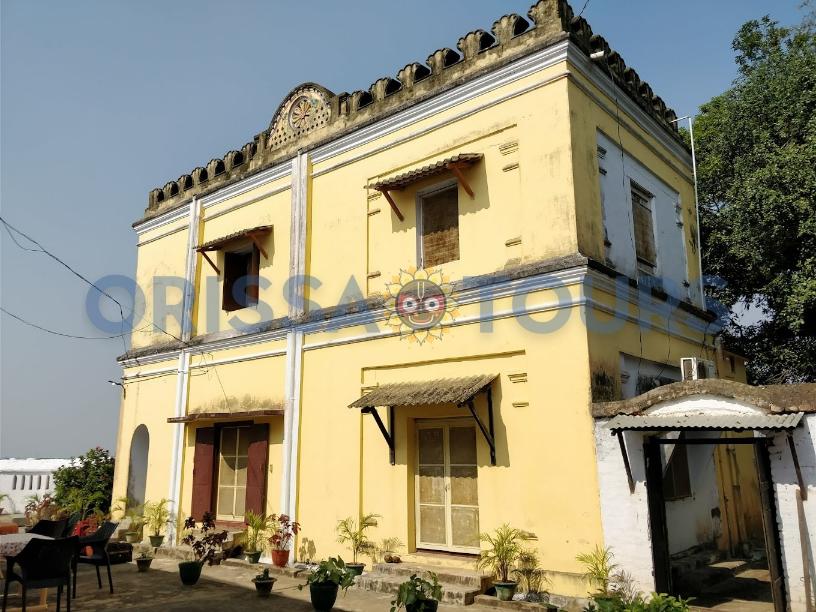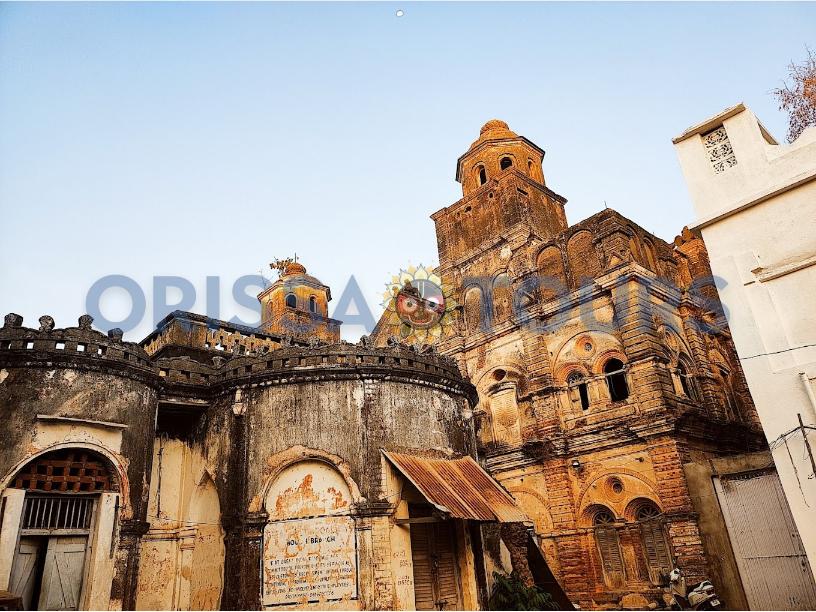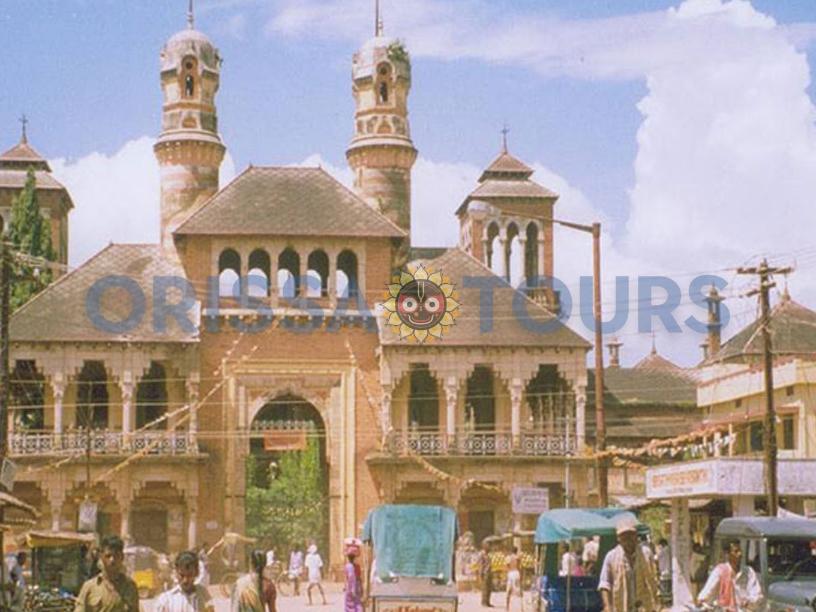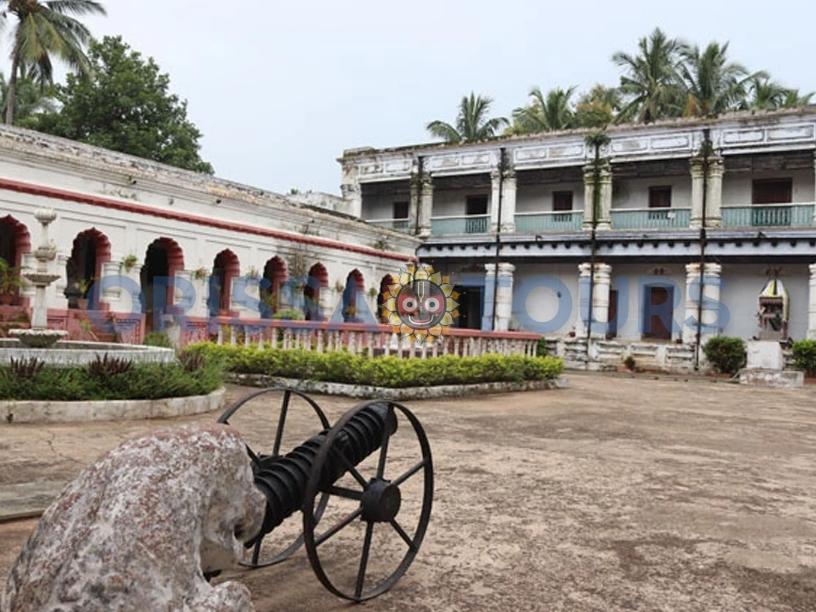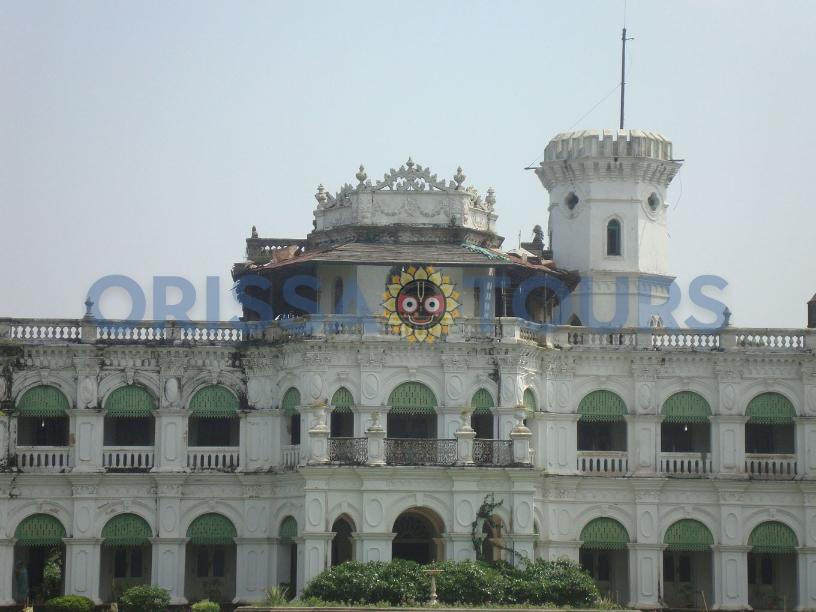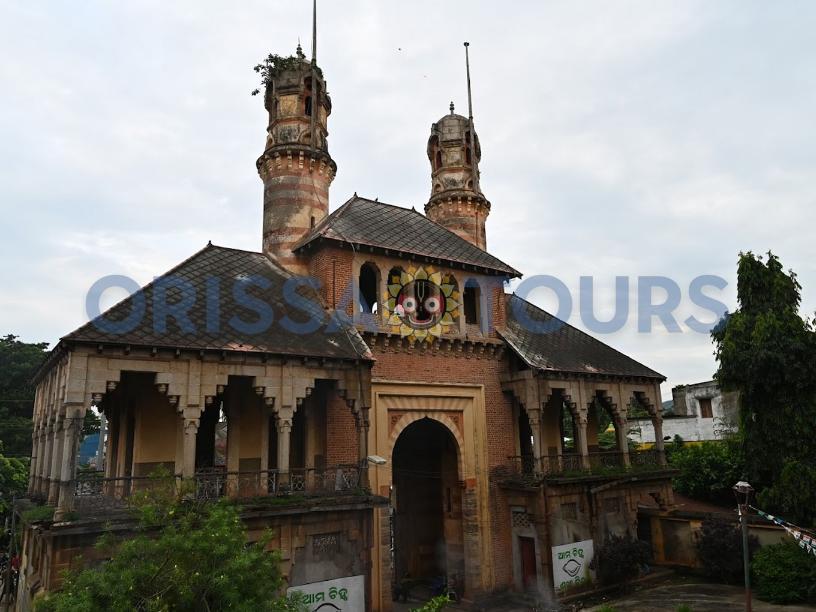

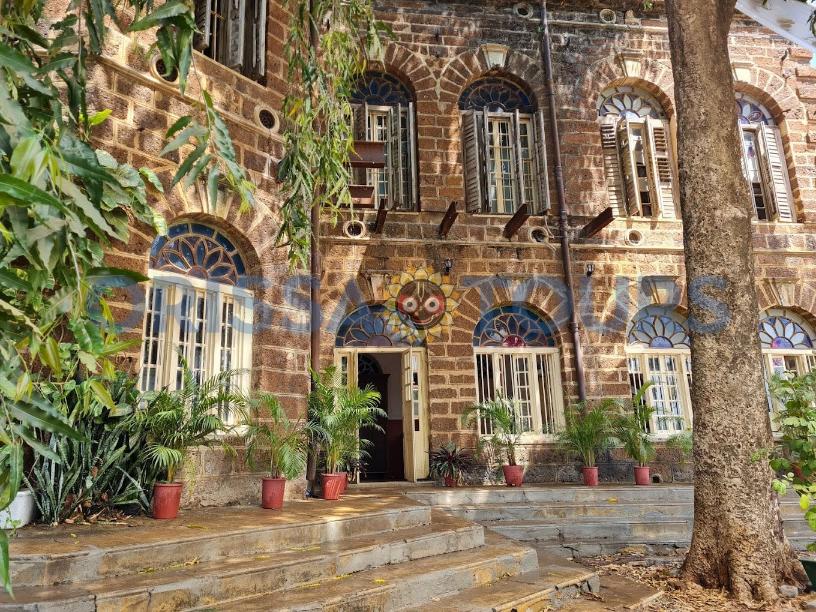
Located approximately 22 kilometers from Cuttack, Kila Dalijoda is a hidden heritage gem that beautifully blends history, nature, and royal legacy. Once a private hunting retreat for the royal family of Panchakote, this palace has now been partially transformed into a heritage homestay, offering visitors a rare opportunity to experience royal living in a serene and natural setting.
Surrounded by dense forests that now form part of the Kapilas Elephant Sanctuary, the palace offers a peaceful escape from the chaos of city life. Unlike commercial hotels, Kila Dalijoda provides an authentic, intimate, and immersive experience, where guests can connect with history, nature, and the host family.
What makes this destination unique is not just its architecture or location, but the fact that the royal family still resides here, preserving traditions while welcoming guests into their world.
Historical Background of Kila Dalijoda Palace
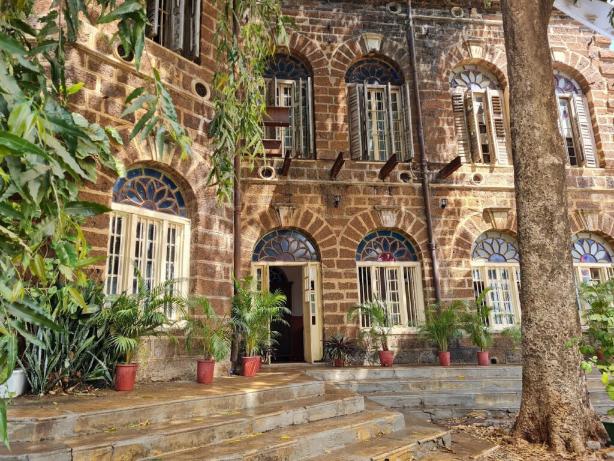
Kila Dalijoda Palace was built between 1931 and 1933 by Raja Jyoti Prasad Singh Deo, the grandfather of the current owner, Debjit Singh Deo. Originally designed as an exclusive hunting lodge, the palace served as a retreat for the royal family and their close associates during hunting expeditions in the surrounding forests.
During that time, hunting was considered both a royal sport and a symbol of prestige. The palace was strategically located amidst dense woodlands, providing easy access to wildlife-rich areas. Over time, as hunting practices declined and conservation efforts gained importance, the surrounding region evolved into the Kapilas Elephant Sanctuary, transforming the landscape into a protected ecological zone.
After the royal family moved out in the late 1980s, the palace remained largely unused for years. However, in recent times, Debjit Singh Deo and his wife Namrata have taken the initiative to restore and revive the property, carefully preserving its historical essence while adapting it for modern hospitality.
Architectural and Design Highlights
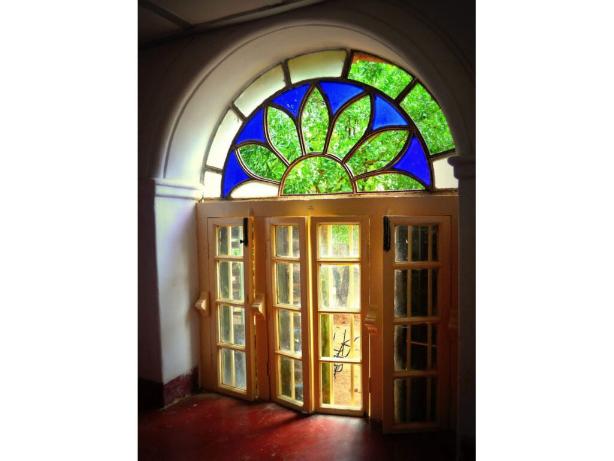
Kila Dalijoda stands out for its distinctive architectural style, which reflects a blend of Indian and European influences.
1. Gothic-Inspired Structure
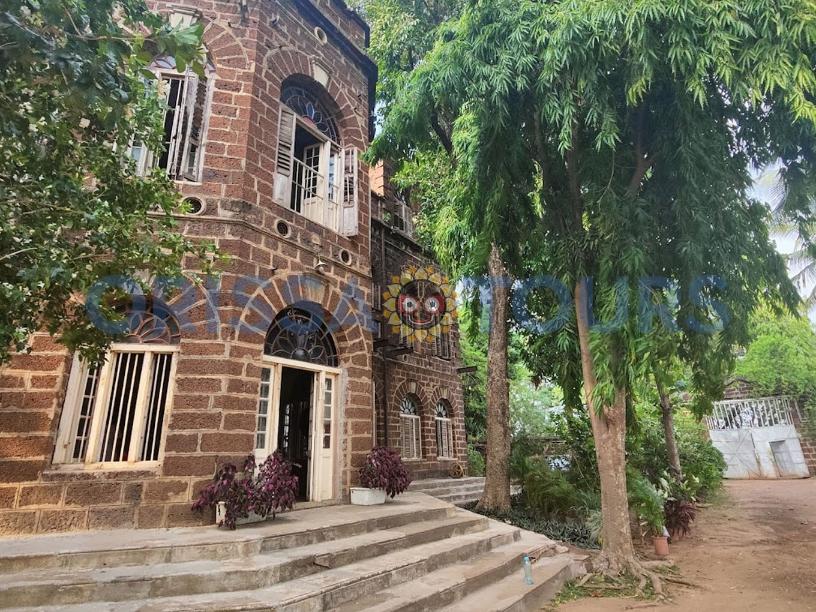
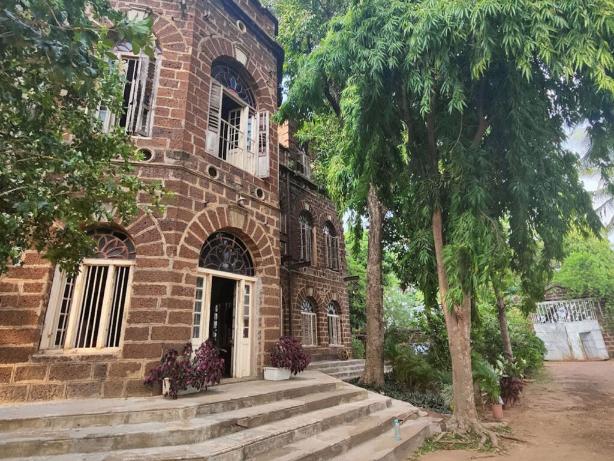
The palace is constructed using laterite stone, a material commonly found in Odisha, giving it a rustic yet grand appearance. The structure incorporates elements of Gothic design, including:
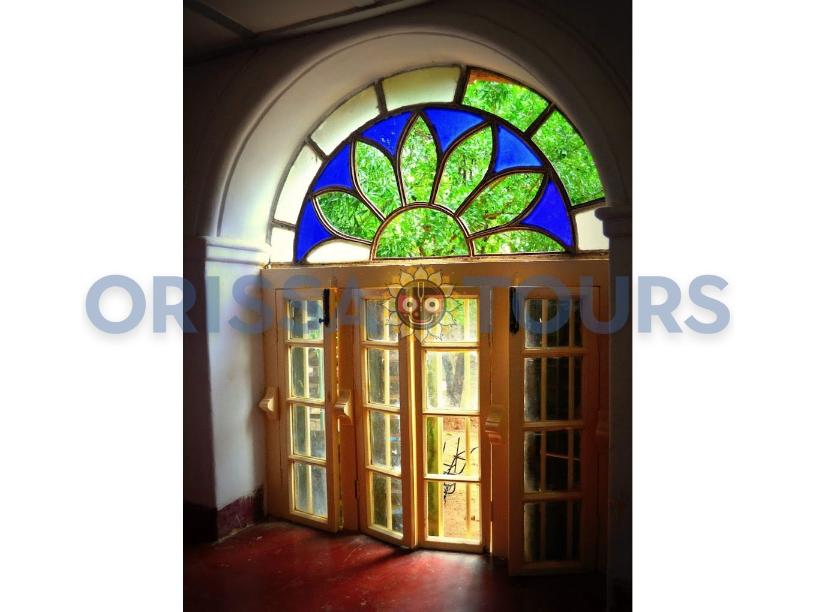
- Arched windows and doorways
- Symmetrical layout
- Elevated structure with strong fort-like features
2. European-Style Interiors
Inside, the palace showcases European-style fittings and furnishings, which were considered luxurious during the early 20th century. Key highlights include:
- Vintage furniture pieces
- Antique décor and relics
- Spacious rooms with high ceilings
Interestingly, the palace was equipped with self-generating power systems during its early years, reflecting advanced planning and innovation for that era.
3. Layout and Accommodation
The property offers a limited number of rooms, ensuring privacy and exclusivity:
- One two-bedroom suite
- One triple-bedroom suite
- One rooftop two-bedroom suite
This limited accommodation setup allows guests to enjoy a personalized and peaceful stay, away from crowded tourist environments.
Natural Surroundings and Wildlife Experience
One of the most captivating aspects of Kila Dalijoda is its natural setting. The palace is surrounded by forests that are now part of the Kapilas Elephant Sanctuary, making it an ideal destination for nature lovers.
The area is rich in biodiversity and offers opportunities to:
- Observe local wildlife
- Enjoy birdwatching
- Explore forest trails
- Experience the tranquility of untouched nature
The property is enclosed by high protective walls, ensuring safety while maintaining proximity to the wild environment. This unique balance allows guests to enjoy nature without compromising comfort.
Additionally, two large water bodies near the palace enhance the scenic beauty of the location. These spots are perfect for:
- Evening relaxation
- Sunset views
- Bonfire gatherings and storytelling sessions
The Heritage Homestay Experience
Kila Dalijoda is not just a place to stay—it is an experience rooted in heritage and hospitality.
The palace has been thoughtfully converted into a homestay that retains its original charm while offering essential modern comforts. Guests can enjoy:
- Spacious and historically rich rooms
- Personalized hospitality
- Home-cooked meals
- A peaceful and exclusive environment
Dining Experience
The in-house kitchen serves a variety of vegetarian and non-vegetarian dishes, focusing on local and traditional flavors. However, due to cultural customs, chicken is not prepared or served on the premises. Alternatives such as quail and other dishes are available upon request.
Meals here are not just about food—they are about sharing stories, traditions, and experiences, often enjoyed in a warm, family-style setting.
Meet the Host Family
One of the most unique aspects of staying at Kila Dalijoda is the opportunity to interact with the royal host family.
The property is managed by:
- Debjit Singh Deo
- His wife Namrata
- Their daughter Shreevidya
Personalized Hospitality
Debjit personally interacts with guests, sharing insights into:
- The royal family’s history
- Local culture and traditions
- Wildlife and surroundings
Namrata plays a key role in curating the culinary experience, often serving delicious meals while engaging guests in meaningful conversations. Their daughter Shreevidya adds a lively and charming presence to the household.
Creative and Cultural Interests
- Debjit is a painter and wildlife enthusiast, often capturing nature through his art
- Namrata has a deep interest in Hindu mythology, along with hobbies like reading and sewing
Their warmth and authenticity create a welcoming environment, making guests feel like part of the family rather than just visitors.
The Royal Heritage and Legacy
The family associated with Kila Dalijoda traces its lineage back to the Panchakote Raj, with roots believed to date as far back as 81 AD. They are descendants of the Pramar Rajputs, a prominent Kshatriya clan originally from Dhar in central India.
Despite ruling over a relatively smaller territory, the family played a notable role in:
- India’s First War of Independence in 1857
- Social and cultural contributions in eastern India
- Preservation of traditions and heritage
This rich legacy is reflected in every aspect of the palace—from its architecture to the stories shared by the hosts.
Travel Tips for Visitors
To enhance your experience at Kila Dalijoda:
- Book in advance due to limited rooms
- Carry essentials, as the location is relatively remote
- Respect local customs and traditions
- Be mindful of wildlife and surroundings
- Plan your stay for at least one night to fully enjoy the experience
Why Visit Kila Dalijoda Palace
Kila Dalijoda offers something that most modern hotels cannot—authenticity, heritage, and personal connection. It is ideal for travelers seeking:
- A unique heritage stay
- A peaceful retreat in nature
- Cultural and historical exploration
- Meaningful interactions with local hosts
It is not just a destination, but an experience that stays with you long after your visit.
Tourist Facilities, Transportation, Tourist Attractions, How to Reach, Accessibility
Closest Airport
Closest Airport is Bhubaneswar Airport
Closest Railway Station
Closest Railway Station is Cuttack
Closest Bus Stand
The Closest bus stand is in Cuttack.