

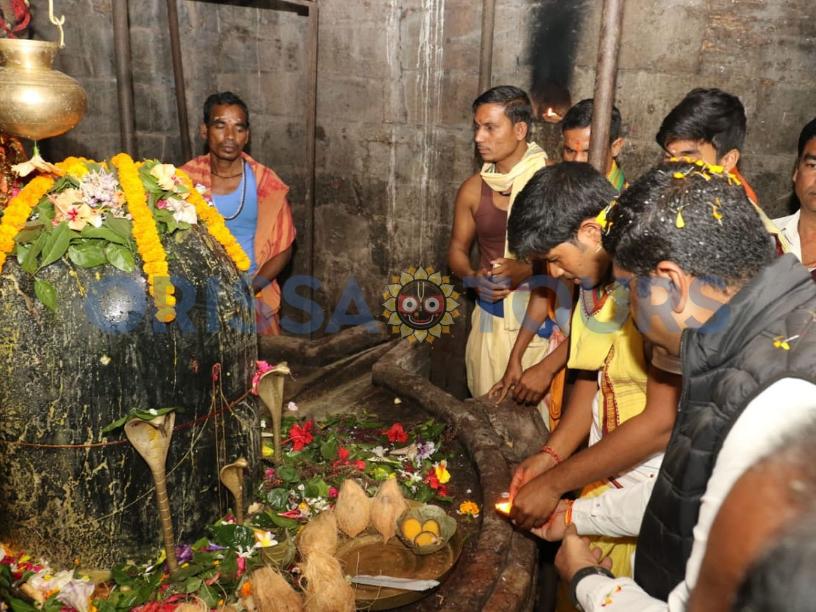

Hidden in the spiritual landscape of Odisha lies the sacred Naganatheswar Shiva Temple, an ancient Shaivite shrine located near the small town of Nagena, about 20 kilometers from Dhenkanal. Surrounded by peaceful natural surroundings and ancient legends, this temple is considered one of the oldest Shaiva centers in the region and holds deep religious importance for devotees of Lord Shiva.
For pilgrims and travelers exploring Odisha temple tourism, the Naganatheswar Temple offers a unique blend of spirituality, mythology, and historical significance. The temple is associated with the sacred concept of Jyotirlinga traditions, ancient dynasties of Odisha, and the sacred geography of the region.
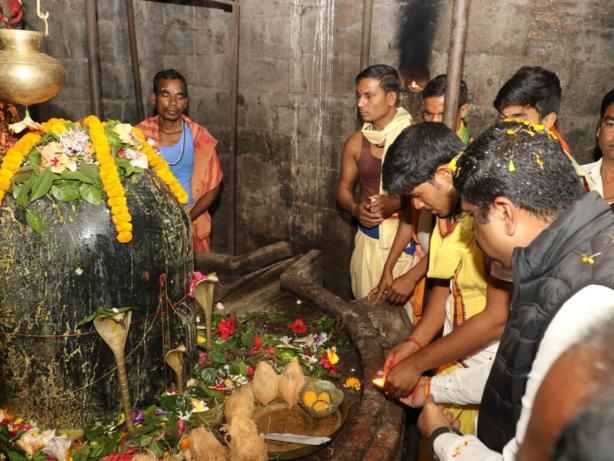
Visitors who come here are not just exploring a temple—they are stepping into a place where mythology, historical kingdoms, sacred rivers, and spiritual devotion intersect.
Historical Significance of Naganatheswar Shiva Temple
The Naganatheswar Shiva Temple dates back to the time of the Keshari dynasty, one of the most influential ruling dynasties in ancient Odisha. The temple architecture and its religious relevance indicate that it was built during a period when Shaivism flourished across the region.
The Keshari rulers were known for:
- Promoting temple construction
- Supporting Shaivite worship
- Developing sacred temple towns
- Encouraging cultural and architectural advancements
This temple stands as evidence of Odisha’s rich temple-building heritage, which later produced architectural masterpieces such as Lingaraja Temple and other Kalinga-style temples.
The Naganatheswar shrine reflects early forms of temple traditions that eventually shaped Odisha’s spiritual identity.
Jyotirlinga Connection and Religious Beliefs
One of the most fascinating aspects of Naganatheswar Shiva Temple is its connection to the Jyotirlinga tradition in Hinduism.
According to religious texts and interpretations by scholars like Pandit Nagendranath Mohapatra in Naganath Satakam, this temple is associated with the belief that one of the twelve Jyotirlingas of Lord Shiva may have existed in this region.
Ancient hymns such as the Dwadasha Jyotirlinga Stotra mention that one Jyotirlinga was located in Daruka-Vana, or a sacred forest area filled with neem trees.
Interestingly, the temple surroundings still preserve traces of neem forests, which strengthens the traditional belief linking this site to the ancient Daruka forest mentioned in scriptures.
Because of this, many devotees consider the temple spiritually connected to Nageshwar Jyotirlinga Temple traditions and other Shiva pilgrimage routes in India.
While historians continue to study the exact origins, the temple remains a deeply revered Shiva shrine for devotees
Mythology and Ancient Geography of the Region
Historical references suggest that the Naganath shrine once existed near the southern boundary of the Anga Kingdom, an ancient region mentioned in Indian historical texts.
This suggests that:
- Parts of ancient Kalinga touched the Anga region.
- Trade routes and pilgrimage routes passed through this region.
- Spiritual centers were established along sacred river routes.
Another sacred element of the temple’s geography is the nearby Brahmani River, which flows close to the temple.
Local traditions describe the Brahmani River as spiritually powerful and comparable to the sacred Ganga in certain religious contexts. Pilgrims often consider visiting the temple and river together as a spiritually fulfilling experience.
The river’s northward bend near the temple area adds further symbolic significance, as such directional changes are considered sacred in Hindu geography.
Architectural and Spiritual Atmosphere of the Temple
Though not as grand as some larger temples in Odisha, the Naganatheswar Shiva Temple holds immense spiritual charm.
The temple environment is known for:
- Quiet surroundings
- Ancient temple structure
- Sacred lingam worship
- Devotional atmosphere
- Natural greenery
The temple complex preserves elements of traditional Odishan temple architecture, reflecting early Shaivite design styles.
Devotees visiting the temple often describe the experience as peaceful and deeply spiritual, especially during early morning prayers.
Why Naganatheswar Temple Is Important in Odisha Tourism
Many travelers visiting Odisha focus on famous destinations like Bhubaneswar, Puri, and Konark, but spiritual explorers increasingly seek hidden temples like Naganatheswar.
The temple is gaining attention for:
- Ancient Shaivite heritage
- Jyotirlinga-related beliefs
- Cultural significance
- Peaceful pilgrimage experience
- Proximity to Dhenkanal
For travelers interested in offbeat religious tourism in Odisha, Naganatheswar Temple is an important destination.
Spiritual Experience for Pilgrims
Pilgrims visiting the temple usually perform:
- Abhishekam (ritual bathing of the Shiva lingam)
- Offering bilva leaves
- Lighting oil lamps
- Chanting Shiva mantras
- Participating in temple prayers
Festivals such as Maha Shivaratri attract devotees from nearby districts and villages.
During these occasions, the temple becomes vibrant with:
- Devotional songs
- Ritual ceremonies
- Community gatherings
- Cultural traditions
Tourist Facilities, Transportation, Tourist Attractions, How to Reach, Accessibility
Opening Time
Gudeswar Temple opening time is Monday to Sunday 6 am to Evening 7 pm
Best Time to visit
The best time to visit Gudeswar Temple is at all times of the year.
Closest Airport
Bhubaneswar, the Closest airport (80 km) is linked to Ahmedabad, New Delhi, Hyderabad, Kolkata, Mumbai, Bangalore, Raipur, Goa, Srinagar, Chennai, Vishakhapatnam, Bagdogra, Coimbatore, Port Blair.
Closest Railway Station
Cuttack (55 km), on the main Howrah Chennai route, links Dhenkanal to New Delhi, Mumbai, Ahmedabad, Kolkata, Chennai, Hyderabad, Bangalore, Trivandrum, Guwahati and Puri. Dhenkanal is also directly connected to Delhi, Ahmedabad, Vizag, Raipur, and Mumbai.
Closest Bus Stand
Dhenkanal is located 75 km from Bhubaneswar and 55 km from Cuttack on the National Highway 42. Air-conditioned and regular taxis are available for plying over long distances as well as local travel.
Nearby Attractions to Visit
Travelers visiting Naganatheswar Temple can explore several nearby spiritual and historical destinations.
- Sovaneswara Mahadev Temple: An important Shiva temple known for its cultural significance and religious festivals.
- Bhubaneswar Temple Circuit: Explore famous temples such as Lingaraja, Mukteshwar, and Rajarani temples.
- Cuttack Heritage Sites: Known for historic forts, temples, and cultural landmarks.
These nearby locations make the region ideal for temple tourism circuits in Odisha.
Travel Tips for Visitors
To make the most of your visit, keep the following tips in mind:
- Visit early morning for peaceful darshan
- Carry water and travel essentials
- Respect temple customs and rituals
- Dress modestly when entering temple areas
- Avoid littering around the temple site
- Explore nearby cultural destinations
Responsible tourism helps preserve the spiritual and natural environment of the temple.


