

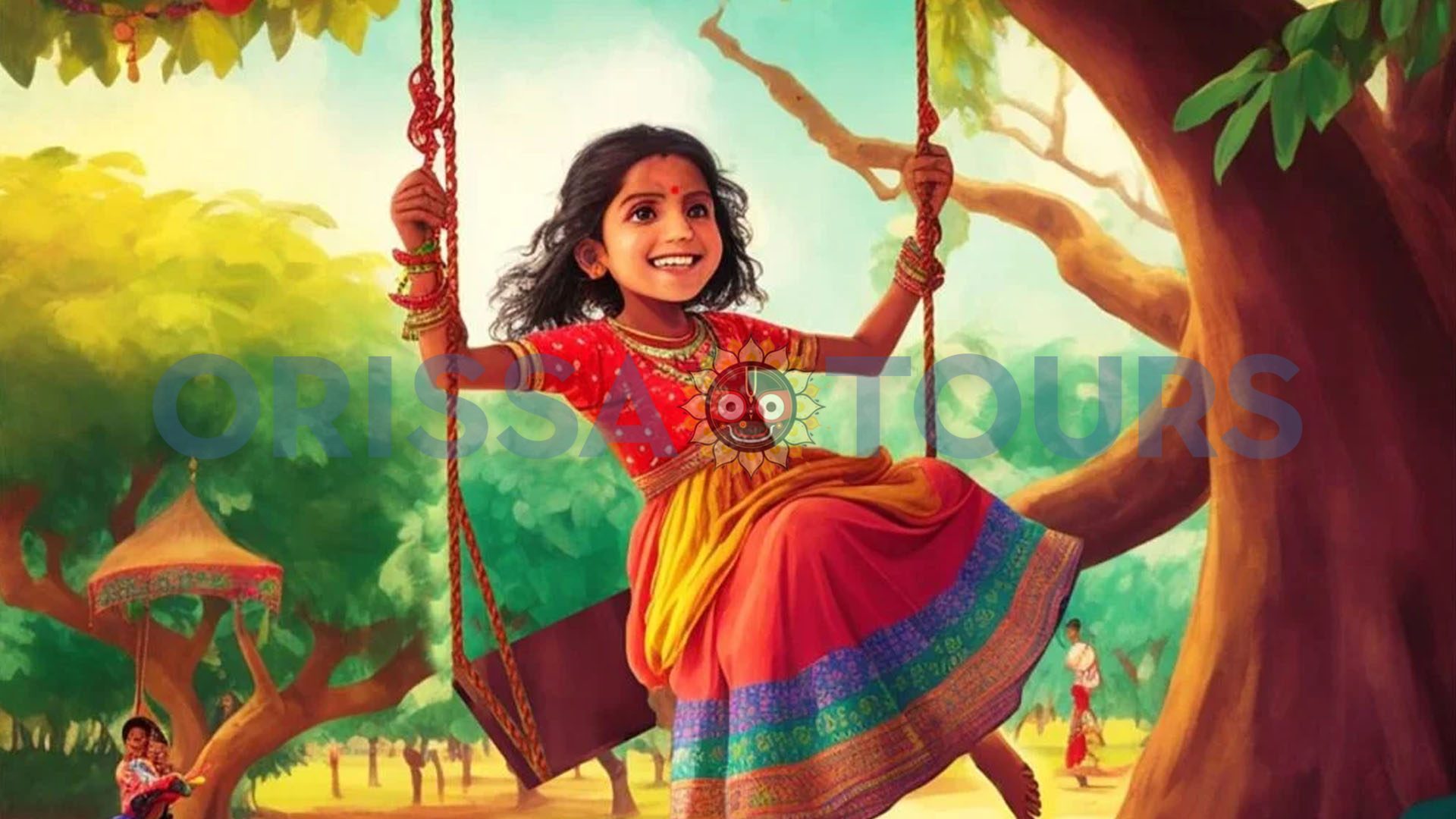
In Odisha, the first day of Raja Parba (Pahili Raja) is celebrated as a festival representing the start of the agricultural year, with the beginning of the rainy season being linked to Pahili Raja in the Kohinoor Odia Calendar in June. Pahili Raja (Mid- June) will commemorate all aspects of femininity from nurturing/protecting, to creating life through childbirth, and providing nature with its life-giving force/traditional foods like pitha, swings, and singing traditional songs by women as they celebrate womanhood.
The festival pays homage to Mother Earth or Bhudevi, who is said to go through her yearly cycle of renewal/rebirth and rest. Kohinoor Odia Calendar Pahili Raja is considered a state holiday in Odisha, and this culturally rich festival continues to thrive today as it has for centuries.
Key Aspects of Pahili Raja:
- Significance: It is believed that Mother Earth (Bhudevi) undergoes menstruation during this period, signifying her fertility and preparation for the agricultural season. It celebrates fertility and the onset of the monsoon, during which it is believed the Earth menstruates and requires rest.
- Preparations: The festival consists of four days: Sajabaja (preparatory day), Pahili Raja (first day), Raja Sankranti (second day), and Bhuin Dahana/Basi Raja (last day/bathing the earth).
- Traditions: Girls and women refrain from household work, walking barefoot, or cutting vegetables.
- Celebrations: The day is marked by playing on swings (Doli), applying alta (red dye) on feet, and playing games. Women and girls refrain from walking barefoot, farming activities are halted, and they spend time singing folk songs, playing traditional games, and using swings (Raja Doli).
- Food / Delicacies: A variety of pithas are prepared, with Poda Pitha (a baked cake) being the specialty. Various types of Pitha (rice cakes), including Poda Pitha, Chakuli Pitha, and Manda Pitha, are prepared and shared
- Cultural Context: While it is a 3-day festival (Pahili Raja, Raja Sankranti, Basi Raja), the whole event spans four days, concluding with Vasumati Snana.
Pahili Raja marks an eventful time in the festival calendar of Odisha, India – it is celebrated with immense pleasure and cultural pride. The significance of Pahili Raja lies in its relation to the start of the rainy season and thus the new agricultural year. Pahili Raja has strong ties to culture and customs and honors womanhood, fertility, and nature’s ability to regenerate itself.
The day is special because families prepare special foods such as pitha and poda pitha; young girls gather to enjoy swinging on flower-decorated swings; Pahili Raja also represents Mother Earth’s annual rest as per Hindu mythology. Combining ritual, food, and festivities has enabled Pahili Raja to remain an important cultural occasion.
Historical and Mythological Significance
Odia mythology explains the Pahili Raja origin. For this reason, at the time of Pahili Raja Bhudevi (Mother Earth) has a year-round sleep, indicating the season of new / renewing life, which is synonymous with that of fertility. Within this period, the word Raja is derived from the Sanskrit word rajas, referring to menstruation, therefore linking the celebration of Pahili Raja to the natural cycle of a woman.
In the past, Pahili Raja was recognised as the Agricultural Celebration, signifying the beginning of the sowing period after receiving the first rains for the New Agricultural Year. The seasonal cycle for agriculture was correlated with the celebration of favourable feminine energy and the cyclical development of nature. Overall, the characteristics of Rajas, Mother Earth, and Agriculture combine to make Pahili Raja an extraordinary event.
Customs and Celebrations
Pahili Raja kicks off with homes in Odisha buzzing ahead of a three-day celebration. New outfits come out, especially for women and girls, who paint their feet red using alta. Swings hang from tree branches, becoming favorite spots through the afternoons. From village lanes to courtyards, dance steps follow old melodies sung for generations. Meals simmer with handmade pithas – poda, manda, each family adding its own touch.
Laughter rises where games unfold, markets pop up, and neighbors meet. Joy spreads without needing loud announcements. Moments pass slowly, yet full. Pahili Raja turns quiet fields into signs of deep regard, where stillness speaks louder than labor. Earth’s break becomes a mirror for honoring both soil and women, shaping days without plows into moments thick with meaning. Rest here does more than stop tasks – it draws lines between tradition, land, and the strength held in silence.
Modern-Day Importance
Right now, Pahili Raja pulses through Odisha, city neighborhoods stepping into rhythm with village customs. Holidays roll out in schools, workplaces, and governments, yet the real life spills onto stages full of song and dance. Instead of fading, it travels fast – teens post rituals on phones, screens lighting up with colors older than code.
While things change around it, one thread holds: honoring women, cycles of earth, growing things from soil. Even without loud claims, it quietly teaches balance – not just memory, but how land feeds people who care for her.


