

Pakhala Bhata – Odisha’s Cooling Comfort in Every Bite
Overview of Pakhala Bhata
Pakhala Bhata is not merely a traditional dish from Odisha—it is an integral part of the region’s lifestyle, deeply intertwined with its climate, culture, and agricultural roots. For centuries, this simple yet ingenious preparation of fermented rice has served as a daily staple in Odia households, particularly during the intense summer months when temperatures rise and heavy meals become less appealing.
Light on the stomach, naturally cooling, and incredibly nourishing, Pakhala Bhata reflects the wisdom of traditional Indian food practices that emphasize harmony between food, health, and environment. What makes Pakhala truly remarkable is its effortless simplicity. At its core, it is made by soaking cooked rice in water and allowing it to rest, often overnight, which leads to natural fermentation.
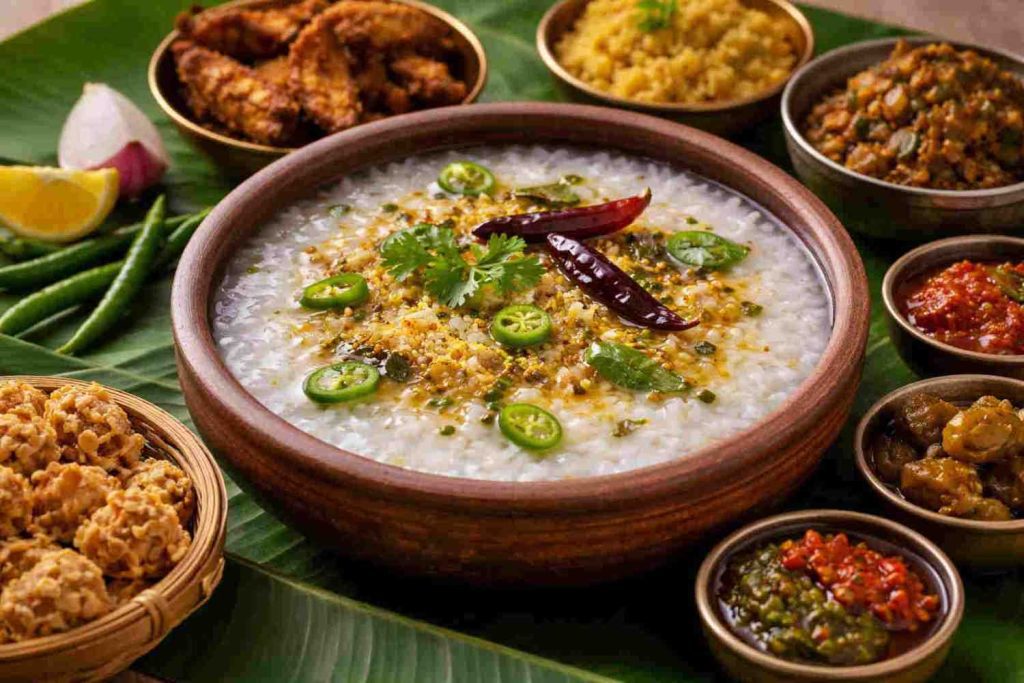
This process transforms leftover rice into a probiotic-rich dish that not only cools the body but also supports gut health and digestion. It is a perfect example of how traditional cuisines have long embraced sustainable practices—minimizing waste while maximizing nutritional value.
From rural farmlands to urban dining tables, Pakhala Bhata continues to bridge generations. Farmers have historically relied on it as a refreshing meal after long hours in the fields, while today, it is also featured in restaurants as a cultural delicacy. In recent times, it has gained recognition beyond Odisha as a natural “superfood,” celebrated for its fermentation benefits and ability to promote digestive wellness.
What is Pakhala Bhata?
Pakhala Bhata is a traditional Odia preparation made by immersing cooked rice in water and allowing it to ferment naturally over time. The term “Pakhala” is derived from the Sanskrit word “Pakāla,” which refers to cooked rice soaked in liquid. Over generations, this humble method evolved into a culinary tradition that is both practical and deeply meaningful.
The fermentation process gives Pakhala its signature slightly sour and refreshing flavor, which is particularly enjoyable in hot weather. Its texture is soft and watery, making it easy to consume and highly hydrating. Typically served cold, it is accompanied by a variety of side dishes that range from fried vegetables and mashed preparations to fish and pickles. This combination creates a meal that is both satisfying and nutritionally balanced.
Unlike many modern recipes that rely heavily on spices, oils, or elaborate cooking techniques, Pakhala Bhata is minimalistic in nature. However, this simplicity does not mean a lack of flavor. The gentle tanginess from fermentation, combined with the earthy taste of rice and the sharpness of green chilies or mustard oil, creates a unique and refreshing culinary experience. It stands as a testament to how traditional Indian cuisine uses natural processes to enhance both taste and health benefits.
Origin and Cultural Significance
The roots of Pakhala Bhata can be traced back to Odisha’s agrarian communities, where food was designed to meet both environmental and physical needs. In a region known for its hot and humid climate, people required meals that could hydrate, energize, and cool the body. Pakhala naturally fulfilled all these requirements, making it a practical and essential part of daily life.
In rural settings, Pakhala has long been associated with farmers and laborers. After spending hours working under the sun, a bowl of cool, fermented rice provided instant relief and replenishment. It also ensured that leftover food was never wasted, aligning with sustainable practices that were deeply embedded in traditional lifestyles. This aspect of reuse and resourcefulness continues to make Pakhala relevant even in modern times.
Beyond its practical value, Pakhala Bhata holds a strong cultural and spiritual presence. It is not only a household dish but also a part of religious offerings. At the Jagannath Temple in Puri, Pakhala is included in the sacred bhog offered to Lord Jagannath, elevating its significance beyond everyday consumption.
In recent years, the dish has gained renewed attention through the celebration of Pakhala Dibasa (Pakhala Day) on March 20. On this day, people across Odisha—and even Odia communities worldwide—celebrate the dish through social media, cultural events, and shared meals. This modern recognition ensures that the legacy of Pakhala Bhata continues to thrive while connecting younger generations to their roots.
Types of Pakhala Bhata
Saja Pakhala
Saja Pakhala is the freshest and simplest form of this dish. Unlike fermented versions, it is prepared by mixing freshly cooked rice with water, salt, and sometimes a bit of curd. The taste is mild and soothing, making it ideal for those who prefer a less tangy flavor. It is often consumed on the same day it is prepared and is particularly popular among individuals who are new to Pakhala.
Basi Pakhala
Basi Pakhala is the most traditional and widely enjoyed version. The rice is soaked overnight, allowing natural fermentation to occur. This process gives the dish its characteristic tangy flavor and enhances its probiotic content. It is considered highly beneficial for digestion and is especially favored during hot weather for its cooling properties.
Dahi Pakhala
Dahi Pakhala incorporates curd into the soaked rice, resulting in a creamy texture and a slightly richer taste. The addition of curd balances the sourness of fermentation, making the dish smoother and more palatable for those who prefer a milder tang. It is a popular variation that combines the benefits of both fermentation and dairy.
Chunka Pakhala
Chunka Pakhala adds an extra layer of flavor through tempering. Ingredients like mustard seeds, curry leaves, dried red chilies, and sometimes garlic are heated in oil and poured over the rice. This enhances the aroma and gives the dish a more vibrant and flavorful profile, making it a favorite among those who enjoy a slightly spiced version.
Ingredients Used
Core Ingredients:
- Cooked rice (preferably soft-textured)
- Water
- Salt
Flavor Enhancers:
- Green chilies
- Grated ginger
- Mustard oil
Tempering Ingredients (Optional):
- Mustard seeds
- Curry leaves
- Dry red chilies
Optional Additions:
- Curd (for Dahi Pakhala)
Fresh - coriander leaves
The beauty of Pakhala lies in its simplicity—every ingredient serves a purpose, contributing to taste, texture, and nutritional value.
How to Make Pakhala Bhata (Step-by-Step Guide)
Step 1: Prepare the Rice
Cook rice until it is slightly soft, as this helps in better fermentation. Allow it to cool completely before using it for Pakhala.
Step 2: Soak the Rice
Transfer the cooled rice into a bowl or traditional earthen pot. Add enough water to fully immerse the rice. Earthen pots are preferred as they enhance fermentation and add a subtle earthy flavor.
Step 3: Allow Fermentation
Cover the container and leave it at room temperature overnight. During this period, natural fermentation occurs, developing a mildly sour taste and increasing probiotic benefits.
Step 4: Add Seasoning
The next day, mix in salt, chopped green chilies, and grated ginger. Stir well to ensure even distribution of flavors.
Step 5: Prepare Tempering (Optional)
Heat oil and add mustard seeds, curry leaves, and dried red chilies. Once they release their aroma, pour the tempering over the Pakhala to enhance taste.
Step 6: Add Curd (Optional)
For a creamier version, add fresh curd and mix thoroughly.
Step 7: Serve Chilled
Serve Pakhala Bhata cold, accompanied by a variety of side dishes for a complete meal.
What to Eat with Pakhala Bhata
Pakhala Bhata is best enjoyed with an assortment of side dishes that add variety and balance to the meal. Popular accompaniments include:
- Machha Bhaja (Fried Fish): Adds richness and protein
- Badi Chura: Crushed lentil dumplings with mustard oil
- Aloo Bharta: Spiced mashed potatoes
- Baingan Bharta: Smoky mashed eggplant
- Saga Bhaja: Stir-fried greens
- Pickles: Mango, lemon, or chili for tangy contrast
These combinations create a diverse and satisfying dining experience with multiple textures and flavors.
Where is Pakhala Bhata Famous?
Puri
Known for its deep spiritual connection with the Jagannath Temple, Puri is one of the best places to experience traditional Pakhala Bhata in its purest form. The dish is often prepared as part of temple offerings and religious meals, reflecting simplicity, purity, and devotion. The temple-style Pakhala is typically mild in flavor, focusing on natural ingredients and traditional cooking methods that have been preserved for generations.
Bhubaneswar
As the capital city of Odisha, Bhubaneswar presents a perfect blend of tradition and modernity when it comes to Pakhala. From local eateries to upscale restaurants, you can find a wide variety of Pakhala preparations, including elaborate platters served with accompaniments like fried vegetables, fish, badi chura, and chutneys. These modern interpretations enhance the traditional dish while still maintaining its authentic essence.
Cuttack
Cuttack is widely appreciated for its authentic, home-style Pakhala Bhata that stays true to age-old recipes. The preparation here focuses on balance and simplicity, with carefully fermented rice and minimal spices. Often served with classic side dishes, Cuttack’s version highlights the comforting and nostalgic aspects of this beloved Odia meal.
Rural Odisha
The villages of Odisha offer the most genuine and immersive Pakhala experience. Here, the dish is prepared using traditional methods passed down through generations, often using locally grown rice and fresh, seasonal ingredients. Cooked over wood-fired stoves, rural Pakhala carries a distinct earthy flavor and cultural authenticity that truly captures the heart of Odia cuisine. It is not just a meal but a reflection of the region’s lifestyle, climate, and deep-rooted food traditions.
Why You Should Try Pakhala Bhata
Pakhala Bhata is more than just a meal—it is an experience that reflects Odisha’s cultural identity and culinary wisdom.
- It is a perfect summer dish that naturally cools the body
- Supports digestion due to its probiotic nature
- Encourages sustainability by utilizing leftover rice
- Offers a unique fermented flavor rarely found in other cuisines
- Represents tradition, simplicity, and mindful eating
For food lovers, travelers, or anyone seeking healthy and traditional meals, Pakhala Bhata is a must-try dish that offers both taste and cultural depth.
Frequently Asked Questions
What ingredients are used to prepare Pakhala Bhata?
Pakhala Bhata is made using cooked rice soaked in water and allowed to ferment. It is typically seasoned with salt, green chilies, ginger, and sometimes mustard oil. Variations may include curd or tempered spices for added flavor.
Is Pakhala Bhata good for health and digestion?
Can Pakhala Bhata be consumed daily?
Is Pakhala Bhata suitable for a vegan diet?
Yes, traditional Pakhala Bhata is completely plant-based. However, variations like Dahi Pakhala include curd, which is dairy-based. For a vegan option, curd can be omitted or replaced with plant-based alternatives.