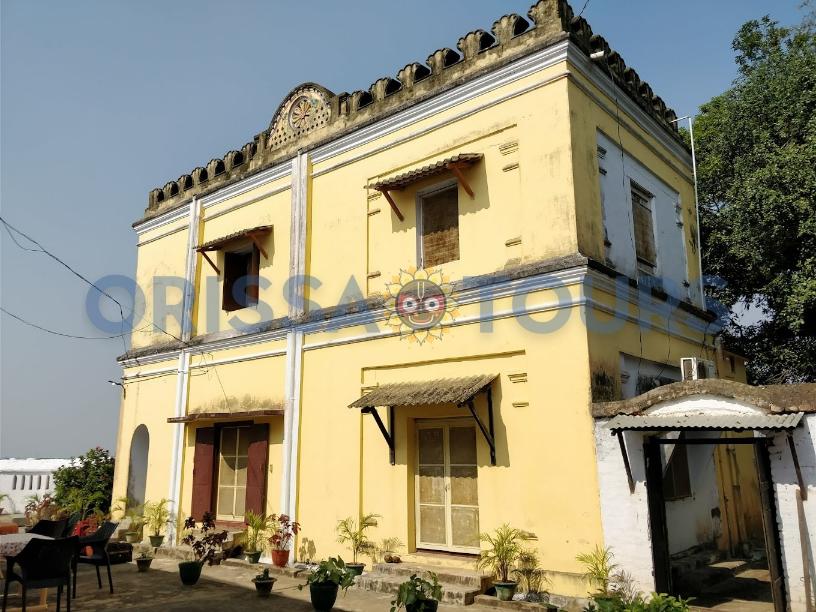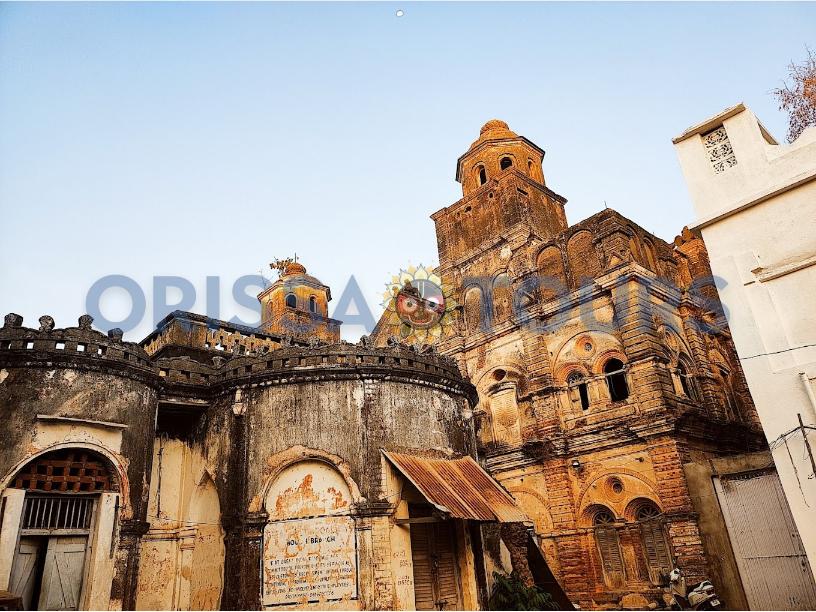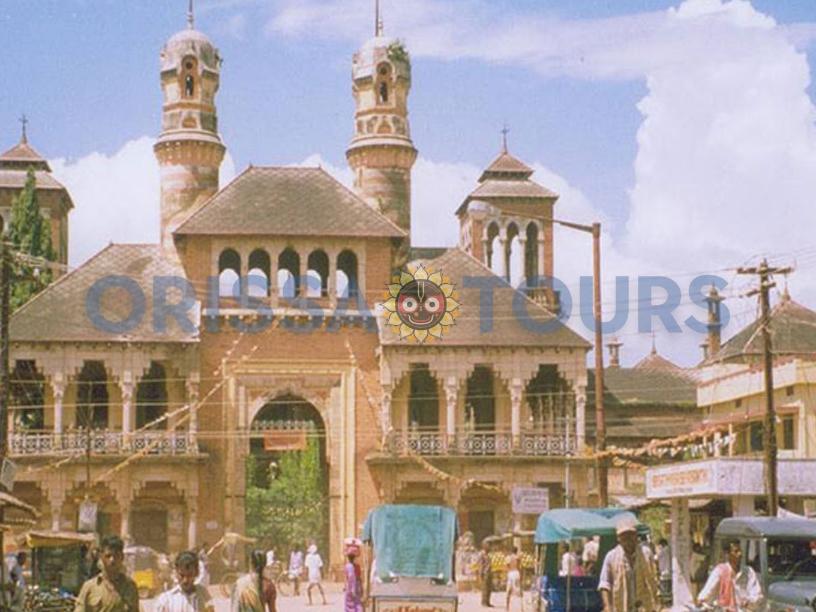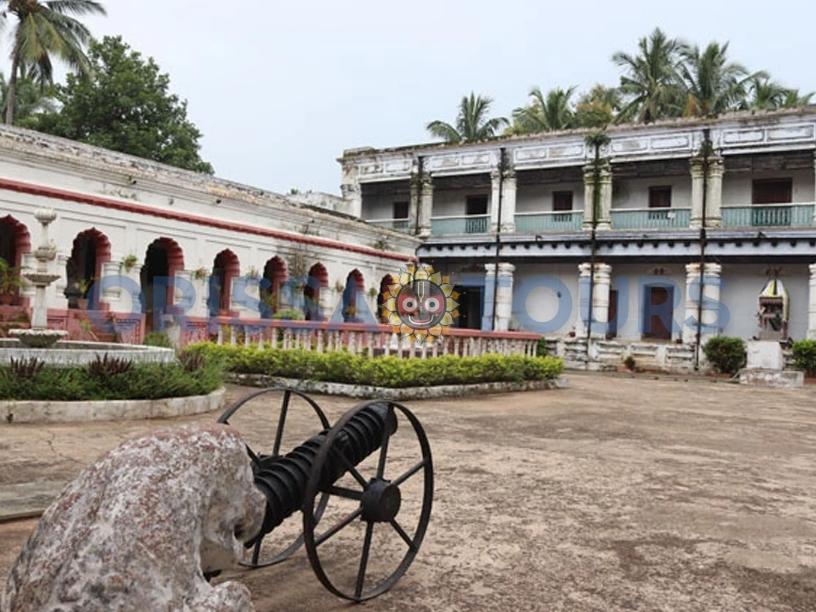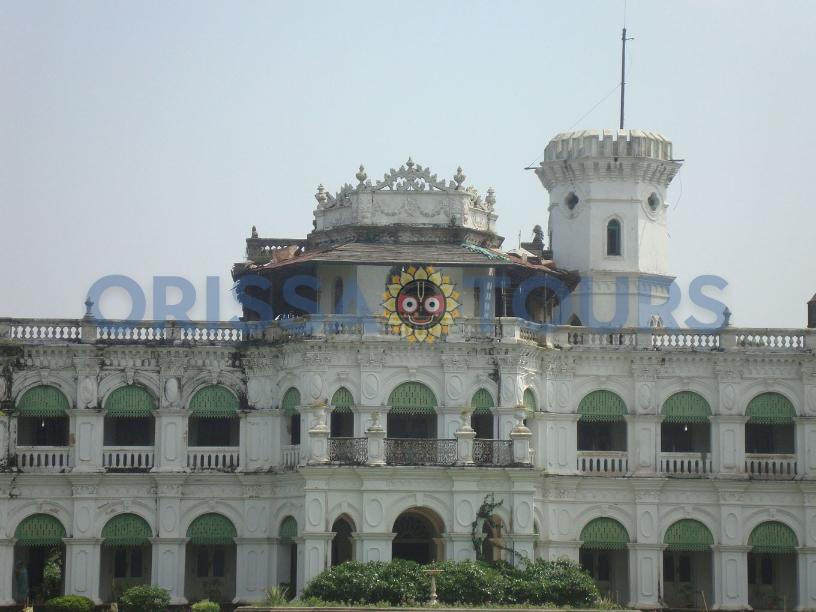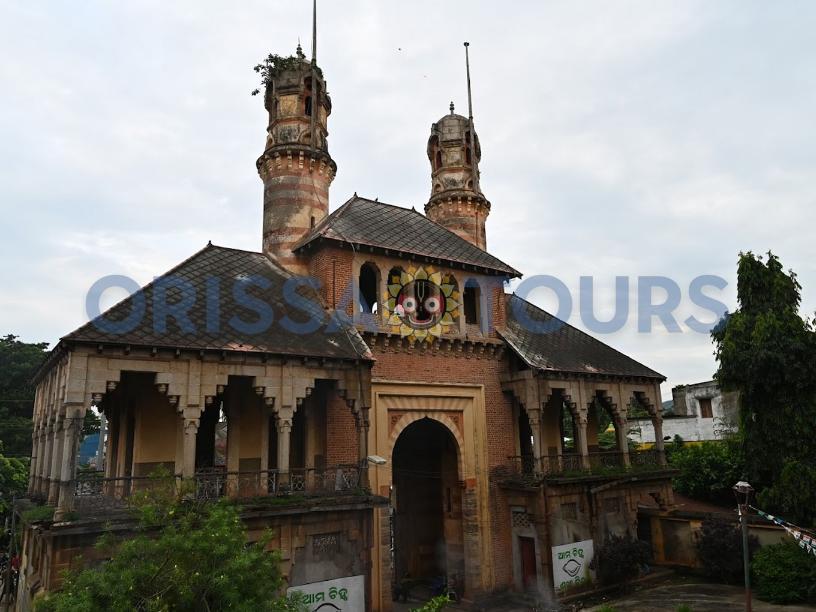
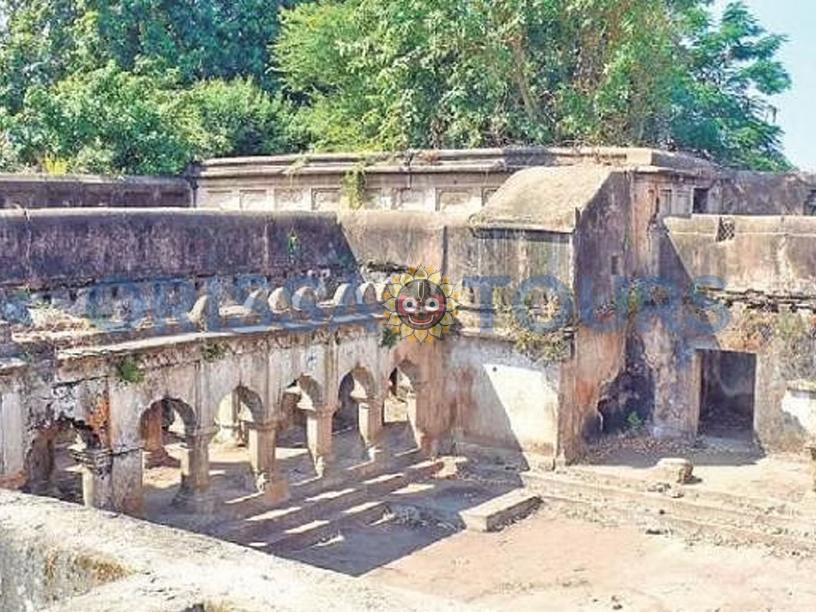
Raja Veer Surendra Sai Palace is 2.5 kilometers from Sambalpur and on the banks of the Mahanadi River. This location is historically significant because it is associated with the legendary freedom fighter Veer Surendra Sai. It was once the epicenter of the freedom movement in Western Odisha, and it witnessed many historical events. Raja Bakhri is another name for it. The Surendra Sai Palace has 30 rooms and a queen palace.
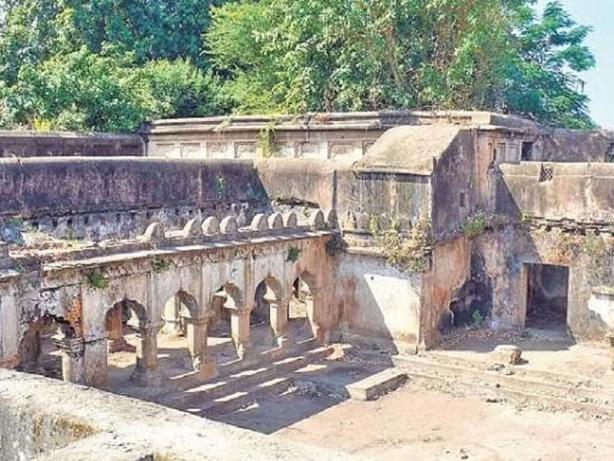
Raja Surendra Sai Palace is a ruin on Kunjelpada Road in Sambalpur, Odisha. Raja Surendra Sai Palace is close to the temples Jagannath Mandir and Shree Somnath Baba Mandir.
Raja Maharaja Sai, the ruler of Sambalpur, died without an heir in 1827. The British government installed his widow, Rani Mohan Kumari, as the state’s ruler. This went against the established norms, which stated that only male rulers were acceptable to the populace. As a result, unrest erupted and conflict between the recognized ruler and other claimants to Sambalpur’s throne grew. Surendra Sai, one of the ruling clan’s descendants, had the most prominent claim.
Historical Significance of Veer Surendra Sai Palace
The palace holds a central place in the history of Odisha’s resistance against British rule. It was once the political and administrative hub during a time of intense conflict and rebellion.
The Succession Crisis of Sambalpur
In 1827, the ruler of Sambalpur, Raja Maharaja Sai, passed away without a direct male heir. According to local traditions, only male successors were considered legitimate rulers. However, the British administration appointed Rani Mohan Kumari, the widow of the king, as the ruler of Sambalpur.
This decision went against local customs and led to widespread dissatisfaction among the people, especially tribal communities and zamindars. The situation worsened due to unpopular land revenue policies imposed during her rule.
Rani Mohan Kumari became unpopular over time. Her land revenue policy did not satisfy the Gond and Binjhal tribal zamindars and subjects who suspected the British of usurping their power. The British deposed Rani Mohan Kumari and installed Narayan Singh, a descendant of the royal family but born of a low caste, as King of Sambalpur.
Rise of Veer Surendra Sai: A Symbol of Resistance
Amid this political turmoil, Veer Surendra Sai, a descendant of the royal family, emerged as a strong claimant to the throne. More importantly, he became a powerful leader who resisted British interference in local governance.
Why Veer Surendra Sai Matters
- Led armed resistance against British rule
- Represented tribal and local interests
- Became a symbol of freedom struggle in Western Odisha
The palace, therefore, became closely associated with his legacy and the broader movement for independence.
Political Conflict and British Intervention
The unrest in Sambalpur intensified due to multiple factors:
- Dissatisfaction among Gond and Binjhal tribal communities
- Opposition to British-backed rulers
- Internal disputes over succession
Eventually, the British removed Rani Mohan Kumari from power and appointed Narayan Singh, another member of the royal family, as the ruler. However, this decision did little to resolve tensions, as Narayan Singh was considered socially unacceptable by many due to caste-related perceptions.
This period marked one of the most turbulent phases in Sambalpur’s history, with the palace at the center of these developments.
Architecture and Structure of the Palace
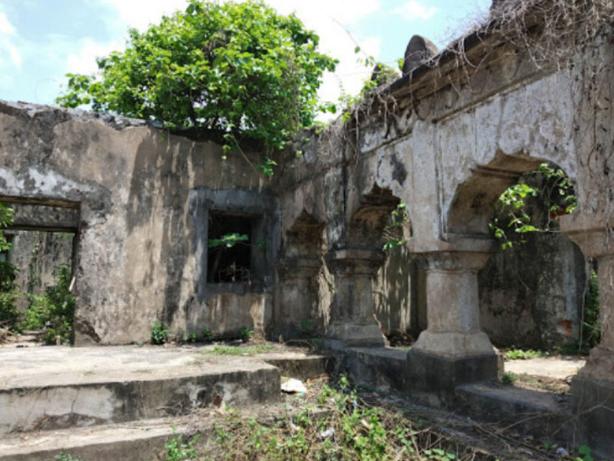
Although now in ruins, Raja Veer Surendra Sai Palace once showcased the architectural style typical of regional royal residences.
Key Features
- Approximately 30 rooms
- A separate queen’s palace (Rani Mahal)
- Traditional Odia architectural elements
- Spacious courtyards and corridors
The palace structure reflects a blend of functionality and royal aesthetics, designed to accommodate administrative, residential, and ceremonial activities.
Today, the remains offer a glimpse into the grandeur of the past, making it a fascinating site for heritage tourism in Odisha.
Current Condition and Tourist Experience
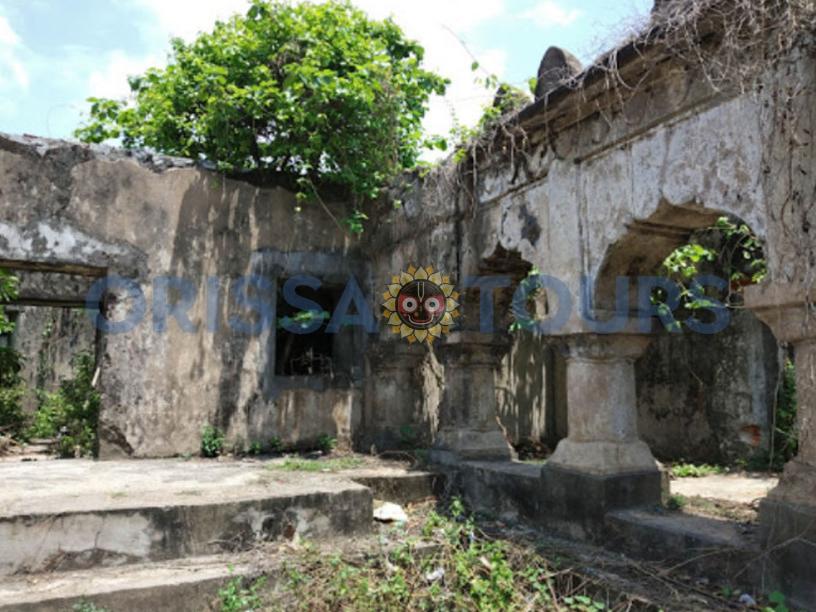
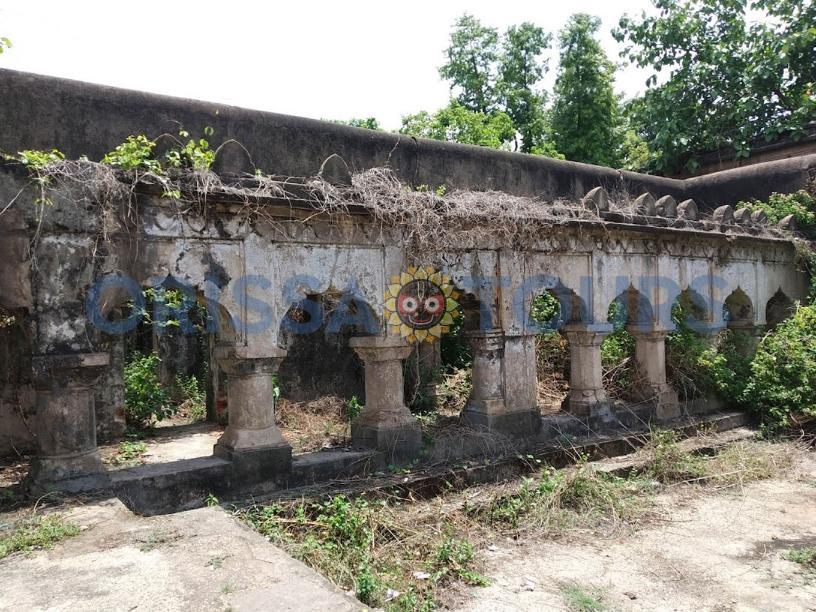
At present, the palace stands as a ruined heritage site, but its historical importance continues to draw visitors.
What Visitors Can Expect
- Ruins that reflect colonial-era history
- Quiet and less crowded environment
- Proximity to river and temples
- Ideal for photography and exploration
Unlike commercial tourist destinations, this site offers a raw and authentic experience, making it perfect for those interested in offbeat travel in Odisha.
Best Time to Visit
The palace can be visited throughout the year, but certain seasons enhance the experience:
- Winter (October to February): Pleasant weather, ideal for exploration
- Early mornings or evenings: Best for photography and comfortable visits
Avoid peak summer afternoons due to heat.
Travel Tips for Visitors
To make the most of your visit to Raja Veer Surendra Sai Palace, keep the following tips in mind:
- Wear comfortable footwear for walking around uneven terrain
- Carry water and basic essentials, as facilities may be limited
- Visit during daylight hours for safety and better visibility
- Respect the historical site and avoid littering
- Combine your visit with nearby temples and attractions
Why Visit Raja Veer Surendra Sai Palace?
This palace is not just another historical site—it is a symbol of resistance, heritage, and cultural identity.
Key Highlights
- Strong connection to India’s freedom struggle
- Historical insights into Sambalpur’s royal lineage
- Peaceful riverside location
- Ideal for history lovers and cultural explorers
If you are searching for historical places in Sambalpur or heritage tourism in Odisha, this destination deserves a place on your list.
Location and Accessibility
Raja Veer Surendra Sai Palace is situated on Kunjelpada Road in Sambalpur, Odisha, making it easily accessible from the city center. Its proximity to the Mahanadi River enhances its scenic appeal, offering visitors a peaceful environment alongside historical exploration.
Nearby Landmarks
- Jagannath Mandir
- Shree Somnath Baba Mandir
- Sambalpur town center
How to Reach
- By Road: Easily accessible via local transport, taxis, and auto-rickshaws from Sambalpur
- By Rail: Sambalpur Railway Station is around 3–5 km away
- By Air: Veer Surendra Sai Airport, Jharsuguda (approx. 60 km away)
The palace’s convenient location makes it an ideal addition to your itinerary if you are exploring tourist places in Sambalpur.
Conclusion
Raja Veer Surendra Sai Palace is more than just a historical ruin—it is a powerful reminder of Odisha’s resistance against colonial rule and the enduring legacy of one of India’s unsung freedom fighters. While time has weathered its physical structure, its historical significance remains intact.
For travelers seeking meaningful experiences beyond typical tourist spots, this palace offers a unique blend of history, culture, and quiet reflection. Whether you are a history enthusiast, a student, or a curious traveler, a visit to this site will leave you with a deeper appreciation of Odisha’s rich and resilient past.