


The Karlapat Wildlife Sanctuary, lying in the heart of Kalahandi, Odisha, is a lesser-known paradise for nature and wildlife lovers. Encompassing an area of 175 square kilometers, this sanctuary is a biodiversity hotspot offering magic with its combination of lush greenery, rocky hills, and dozens of amazing fauna and flora.
Unlike heavily commercialized tourist destinations, Karlapat Wildlife Sanctuary offers visitors a peaceful and raw connection with nature. Dense forests, rocky hills, flowing streams, majestic waterfalls, and rich biodiversity together create a magical atmosphere that captivates every traveler who enters the sanctuary. The air here feels fresher, the surroundings calmer, and the beauty completely unspoiled.
Karlapat is widely known for its incredible biodiversity. The sanctuary serves as a habitat for many species of animals, birds, reptiles, and plants. Wildlife sightings often include:
- Leopards
- Tigers
- Elephants
- Indian bison (gaur)
- Deer species
- Numerous migratory and native birds
The sanctuary’s serene environment and scenic landscapes make it an excellent destination for those seeking relief from urban chaos. Visitors can enjoy trekking through forest trails, listening to birdsong, exploring waterfalls, or simply immersing themselves in the tranquility of nature.
Apart from its ecological significance, Karlapat Wildlife Sanctuary is also deeply connected to the cultural identity of Kalahandi. Tribal communities living near the sanctuary have maintained a harmonious relationship with nature for centuries, preserving traditional ecological knowledge and sustainable lifestyles.
Whether you are an adventure seeker, wildlife photographer, environmental researcher, or someone simply looking for a peaceful escape into nature, Karlapat Wildlife Sanctuary promises an unforgettable experience filled with beauty, adventure, and discovery.

History and Ecological Importance of Karlapat Wildlife Sanctuary
Karlapat Wildlife Sanctuary holds immense ecological importance within Odisha’s natural heritage. Established to preserve the region’s rich biodiversity and forest ecosystem, the sanctuary plays a critical role in maintaining ecological balance in western Odisha.
The forests of Karlapat are part of the Eastern Ghats ecosystem, one of India’s most significant biodiversity zones. These forests provide shelter and breeding grounds for numerous wildlife species, many of which are endangered or vulnerable due to habitat destruction and climate change.
Historically, the region surrounding Karlapat has remained relatively untouched compared to many other forested areas in India. This limited human interference has allowed the sanctuary to retain much of its natural richness and ecological integrity.
The sanctuary is also extremely important for:
- Water conservation
- Soil preservation
- Climate regulation
- Biodiversity protection
The streams and waterfalls originating from these forests support nearby villages and agricultural activities. Dense vegetation helps prevent soil erosion and contributes to maintaining healthy rainfall patterns in the region.
Karlapat’s ecological significance extends beyond Odisha because it serves as an important wildlife corridor that supports the movement and survival of large mammals such as elephants and leopards.
Today, the sanctuary is recognized as one of Odisha’s valuable natural assets and continues to play a crucial role in wildlife conservation and eco-tourism development.
Flora of Karlapat Wildlife Sanctuary
One of the most fascinating features of Karlapat Wildlife Sanctuary is its incredibly rich vegetation. The sanctuary’s forests are lush, dense, and filled with diverse plant species that contribute to the region’s ecological richness.
The dominant forest types found here include:
- Tropical moist deciduous forests
- Dry deciduous forests
- Mixed forests with dense undergrowth
Major Tree Species
The sanctuary is home to several economically and ecologically important trees such as:
- Sal trees
- Teak
- Bamboo
- Mahua
- Arjun
- Jamun
- Saja trees
These forests not only provide shelter for wildlife but also help maintain environmental stability.
Medicinal Plants
Karlapat is also known for its abundance of medicinal plants that have been traditionally used by tribal communities for generations. Many herbs and forest plants found here possess medicinal properties used in local healing practices.
The presence of medicinal flora makes the sanctuary valuable for:
- Ecological research
- Ayurvedic studies
- Conservation programs
Seasonal Beauty of the Forest
The appearance of the sanctuary changes beautifully with each season:
- During monsoon, the forests turn intensely green and vibrant
- In winter, the cool weather enhances the scenic beauty
- Summer creates dramatic landscapes and increases wildlife visibility near water sources
The dense greenery and natural beauty of Karlapat create a refreshing atmosphere that feels untouched by modern development.

Fauna of Karlapat Wildlife Sanctuary
Karlapat Wildlife Sanctuary is a haven for wildlife and one of the most biologically rich forest areas in Odisha. The sanctuary supports a wide variety of mammals, birds, reptiles, and insects, making it a dream destination for wildlife enthusiasts.
Major Mammals Found in Karlapat
1. Leopard
Leopards are among the most prominent predators in the sanctuary. These elusive big cats thrive in the dense forests and rocky terrain of Karlapat.
2. Tiger
Although sightings are rare, tigers are known to inhabit parts of the sanctuary, highlighting its ecological significance.
3. Indian Bison (Gaur)
The Indian bison, also called gaur, is one of the largest wild cattle species in the world and a major attraction in Karlapat.
4. Elephants
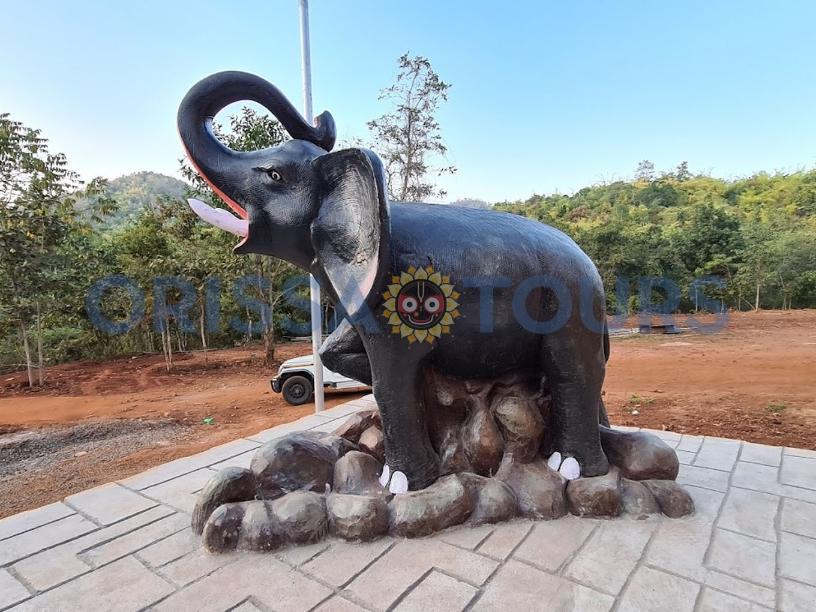
Wild elephants frequently move through the sanctuary, especially near water sources and forest trails.
5. Deer Species
Various deer species can be spotted grazing within the forest areas, including:
- Barking deer
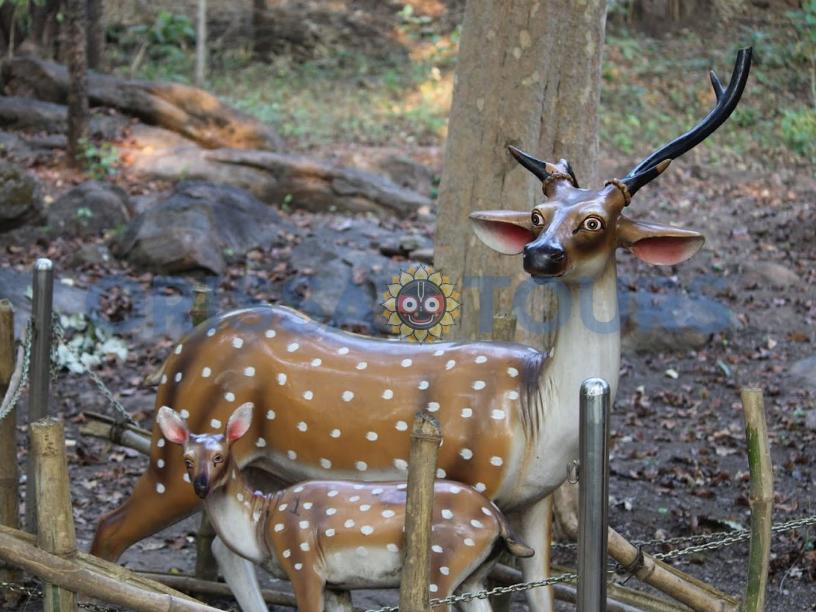
- Spotted deer
- Sambar deer
Birdlife in Karlapat
Karlapat Wildlife Sanctuary is equally famous among birdwatchers due to its rich avian diversity.
Some commonly sighted birds include:
- Hill myna
- Indian peafowl
- Hornbills
- Parakeets
- Woodpeckers
- Eagles and owls
The melodious sounds of birds throughout the sanctuary create an enchanting natural atmosphere.
Reptiles, Amphibians, and Butterflies
The sanctuary also supports:
- Snakes
- Lizards
- Frogs
- Colorful butterfly species
These smaller creatures contribute significantly to maintaining ecological balance within the forest ecosystem.
Best Time to Visit Karlapat Wildlife Sanctuary
Are you planning a trip to Karlapat Wildlife Sanctuary? The best time to visit is during winter, from November to February, as the weather is nice and suitable for hiking along the sanctuary’s trails. These months can have a good chance of spotting wildlife, as animals usually come out to warm themselves or hang around waterholes.
The monsoons beautify the sanctuary in countless shades of green from June to September, with waterfalls and streams in full flow; unfortunately, trekking can become difficult because of slippery paths. The summer is hot, but it gives the unusual opportunity to see the animals near waterholes. Whatever the season, Karlapat Wildlife Sanctuary guarantees an excellent experience, with every visit sharpening the view of its natural beauty.
Activities and Attractions in Karlapat Wildlife Sanctuary
Karlapat Wildlife Sanctuary can offer a multitude of activities to seekers of adventure and lovers of nature. Trekking within the sanctuary is one of the most adventurous undertakings within its raw dense forests, with the possibility to spot wildlife and enjoy picturesque views.
Birdwatchers can enjoy the rich diversity of birds in the sanctuary, while others can capture nature’s palette of stunning landscapes and vibrant wildlife in their photographs. The sanctuary hides lovely waterfalls like Phurlijharan that give value to the picturesque beauty.
There are nature trails that will help one to know more about the flora and fauna of the forest, making it ideal for eco-tourism. Karlapat Wildlife Sanctuary offers a rich wildlife experience where one can take the trails or simply enjoy the serene beauty ambiance.
Conservation Efforts at Karlapat Wildlife Sanctuary
The Karlapat Wildlife Sanctuary is not only a tourist destination but also one of the wildlife conservation centers. This sanctuary has an outstanding responsibility for the protection of many endangered species and the conservation of the rich biodiversity of the region.
Initiatives such as anti-poaching patrols, rehabilitation of habitats, awareness programs in the village communities, etc. have contributed in a remarkable way to the cause of the protection of wildlife. Here, eco-tourism is being developed and promoted so that there can be sustainable development without harming the environment.
The involvement of the local community is extremely critical to promote conservation and also to develop a sense of responsibility and ownership. To a very large extent, these efforts have put Karlapat Wildlife Sanctuary in the limelight as a model for wildlife protection in the state of Odisha; it should be recognized that conservation and tourism cannot be traded off easily.
Tips for Visiting Karlapat Wildlife Sanctuary
This means being prepared for a good, safe experience while visiting the Karlapat Wildlife Sanctuary. In addition, always remember to get all necessary permits before entering the sanctuary, and hire a local guide to help with better sightings and knowledge of the wildlife. Ensure comfortable clothing and sturdy shoes, for the terrain, may prove difficult.
Carry with your water, snacks, insect repellent, and a first-aid kit. Do not enter restricted areas and keep a safe distance when seeing any wildlife. Respect the rules of the sanctuary and help with conservation by not littering. Tips like this are sure to make your entire experience of visiting the Karlapat Wildlife Sanctuary one to remember.
Cultural Significance of Karlapat Wildlife Sanctuary
Karlapat Wildlife Sanctuary, an adoptive embrace of natural splendor and cultural heritage, is by nature surrounded by tribal communities that have coexisted in perfect unison with nature for thousands of years. The rich cultural legacy of Kalahandi, expressed through its traditions, festivals, and ecofriendly modes of life, offers an edifying alternative to outsiders who make their way into the area.
Visitors can interact with local communities and learn first-hand about their lifestyle and even participate in eco-tourism activities that help earn them their livelihoods. Karlapat Wildlife Sanctuary thus becomes more than a place of nature; it is a holistic destination where conservation goes hand in hand with cultural preservation.
Travel Tips for Visiting Karlapat Wildlife Sanctuary
To ensure a safe and enjoyable visit, travelers should keep the following tips in mind:
- Wear comfortable trekking shoes
- Carry water bottles and snacks
- Bring insect repellent and sunscreen
- Avoid littering inside the sanctuary
- Follow instructions from forest officials
- Maintain a safe distance from wildlife
- Hire local guides for better exploration and safety
Responsible tourism helps preserve the sanctuary for future generations.
Tourist Facilities, Transportation, Tourist Attractions, How to Reach, Accessibility
Opening Time
Karlapat Wildlife Sanctuary’s opening time is Monday to Sunday 9 am to Evening 6 pm
Best Time to visit
The best time to visit Karlapat Wildlife Sanctuary is from October to June and the winter season.
Closest Bus Stand
The closest Bus stop is Bhawanipatna, which is located around 58 KM distance from Karlapat Sanctuary
Closest Railway Station
The closest Railway Station is Bhawanipatna, which is located around 63 KM distance from Karlapat Sanctuary
Closest Airport
The closest airport is Biju Patnaik International Airport, Bhubaneswar, which is located around 457 KM distance from Karlapat Sanctuary


