Raja Parba, or Rajo Festival, is a vibrant three-day agrarian festival in Odisha, India (usually held June 14th–16th), celebrating womanhood and the fertility of Mother Earth. It marks the onset of the monsoon, with beliefs that the earth menstruates, leading to a pause in agricultural activities and household chores for women.
The Raja Parba Festival is one of the most colorful festivals in Odisha, and a great festival of womanhood and Mother Earth’s fertility. The festival lasts three days and is imbued with agrarian history. The festival marks the initial onset of the monsoon, which represents the menstrual cycle of the Earth and signifies the beginning and flourishing.
Key Aspects of Raja Parba:
- Significance: The term Raja stems from Rajaswala (menstruating woman), honoring the fertility of the Earth. It is a celebration of the feminine force, treating women like queens with rest from daily work, new clothes, and pampering.
- The Four Days:
- Pahili Raja (First Day): Preparations and start of the festival.
- Raja Sankranti (Second Day): Mid-June, representing the main day of menstruation.
- Basi Raja/Sesha Raja (Third Day): The final day of celebration.
- Vasumati Gadhua (Fourth Day): A ceremonial bath of the Mother Earth Goddess, where women bathe a grinding stone (symbolizing the Earth) with water and turmeric, and apply sindoor.
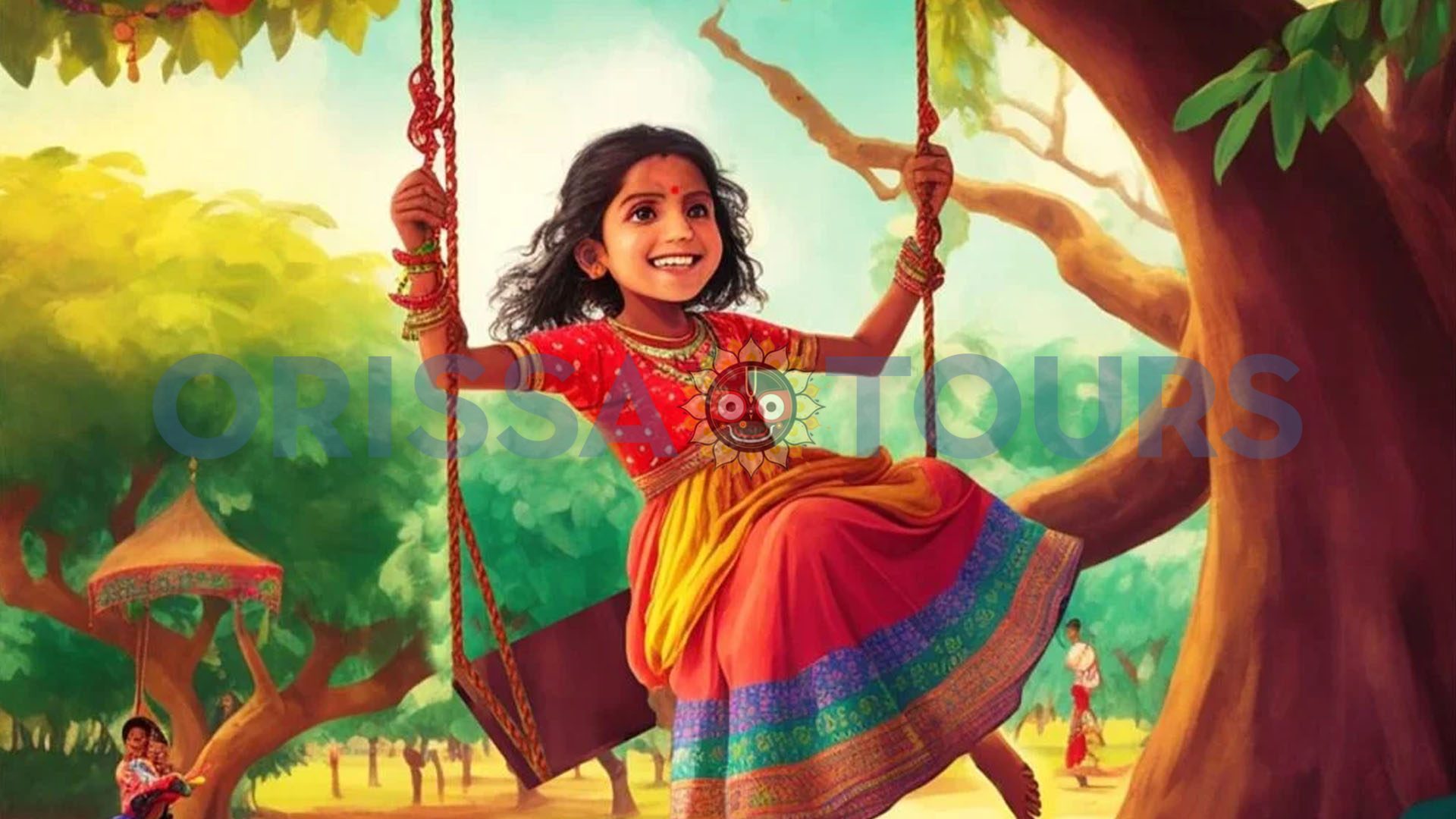
Raja Parba Festival, the iconic festival of Odisha, is celebrated with great spirit but less work while women and girls suspend household chores, dress in traditional dress, and then swing, sing folk songs, and enjoy special foods like Poda Pitha. The festival is also a reminder of the importance of nature’s cycles, embodied in Odia culture.
Traditions & Celebrations:
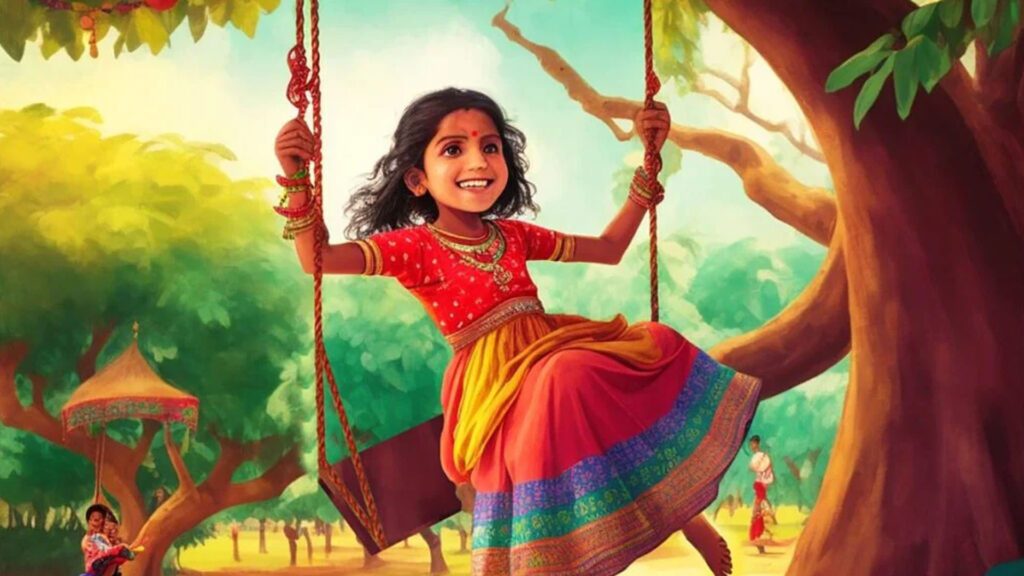
- Raja Doli: Women and girls enjoy traditional rope swings decorated with flowers on trees.
- Food: Special traditional cakes, particularly Poda Pitha (baked rice cake), are prepared.
- Activities: Women enjoy leisure time, playing indoor games like cards and Ludo, applying alta (red dye) on their feet, and visiting friends and family.
- Community: The atmosphere is filled with joy, music, and the traditional “Raja Geeta” folk songs.
In 2026, Pahili Raja will be celebrated on Sunday, 14 Jun, 2026, in Odisha. In the Raja Parba Festival 2026, the excitement of the festival will continue to bring communities together as an expression of the rich heritage of Odisha. And for those interested in the Raja Parba Festival in Hindi, it is interesting to consider that this festival is even celebrated in some populations in neighbouring states with equal vigor.
Historical and Cultural Significance of Raja Parba
Raja Parba Festival is believed to have ancient roots, connected to Odisha’s agrarian society. For three days, one stops all agricultural activities to show respect that Bhudevi, Mother Earth, is menstruating. The famous Festival of Odisha demonstrates the relationship between nature and society. The first day is the preparation day called Pahili Raja, the second day is a day of celebration called Mithuna Sankranti, and the third day is the final day of the ritual called Basi Raja.
In the Raja Parba Festival 2026, traditional methods like swinging on the Raja Doli and painting feet with Alata or red dye will delight those attending the festival. For those seeking to engage with the Raja Parba Festival in Odisha, it is a beautiful example of a regional festival that is part of India’s continuing multispecies fuzzy-fold cultural fabric.
Rituals and Celebrations During Raja Parba
The Raja Parba festival is a combination of ritual, recreation, and eating. Women and girls wear new clothing, shave their feet, swing on swings made from tree branches, and sing their traditional Raja Gita songs. The most important parts are when we make different ceremonial dishes like Poda Pitha, Chakuli Pitha, and Manda Pitha.
Unmarried girls also fast before praying to find a good husband, while married women pray for the good health and well-being of their families. Community celebrations and cultural programs are additional aspects of the Raja Parba Festival for 2026. To reveal the truth of the Raja Parba Festival in Hindi, it is simply about the celebration of nature, femininity, and the Odia culture.
Pahili Raja Festival in Odisha
Pahili Raja kicks off a lively three-day celebration known as Raja Parba in Odisha, held around mid-June according to the local Asadha calendar. This time honors women, celebrates fertility, while also paying tribute to the earth itself. With rains beginning to fall, daily chores pause for many female family members who then dress in fresh garments instead.
Bright red alata colors their feet, adding flair to moments spent on handmade swings swaying under trees. Food takes center stage too – dishes such as Poda Pitha appear on plates, rich with tradition and slow-cooked care.
Mithuna Sankranti Festival in Odisha
Every year around June, a lively three-day celebration takes place across Odisha – Raja Parba, also known as Mithuna Sankranti. This time shines a light on women, the power of life, and the earth waking up again. When the rains begin their slow march into farming lands, people pause planting to honor Bhudevi, the spirit of soil and growth.
Homes fill with treats such as Poda Pitha while wooden swings called Raja Doli hang ready under trees. Fields stay untouched during these days, resting just like everyone else.
Bhudaaha or Basi Raja Festival in Odisha
Festival colors rise when Raja Parba arrives – three days pulsing with rhythm near June’s midpoint across Odisha. Called Mithuna Sankranti too, it marks soil awakening under heavy skies. Womanhood steps forward here, not whispered but lived through ritual and rest. Menstrual cycles are tied to land cycles, both seen as natural pulses of power. Bhudevi, the earth mother, rests in quiet honor while fields await rain. Days unfold slowly: cooking shifts indoors, laughter stays close, movement pauses. Rain clouds gather like promises kept each year without speech.
Though the question brings up Buddha, folks in Odisha call it Raja Parba – sometimes just Raja Festival – a time rooted in local Hindu customs, honoring Bhudevi, the earth goddess. A name points one way, but practice leans another. Not every mention shifts tradition. Local rhythm stays strong here. The land itself takes center stage during these days. People mark time by her pulse, not distant echoes.
Basumati Snana Festival in Odisha
That fourth day brings Basumati Snata, closing out Raja Parba across Odisha. Mid-June often holds this moment when Earth’s cleansing takes center stage. Bhudevi’s renewal stands at the heart of it all. Monsoon air arrives just then, fresh and damp after summer heat. A grinding stone becomes her stand-in beneath open sky.
Turmeric coats its surface, bright yellow under fingers. Vermilion follows, streaks of red pressed into corners. Petals land gently near edges, scattered without force. Women dip their hands in water and pour slowly over the stone. Each motion repeats what came before. The ground feels softer now, ready again.
Raja Parba Festival 2026: Dates and Special Events
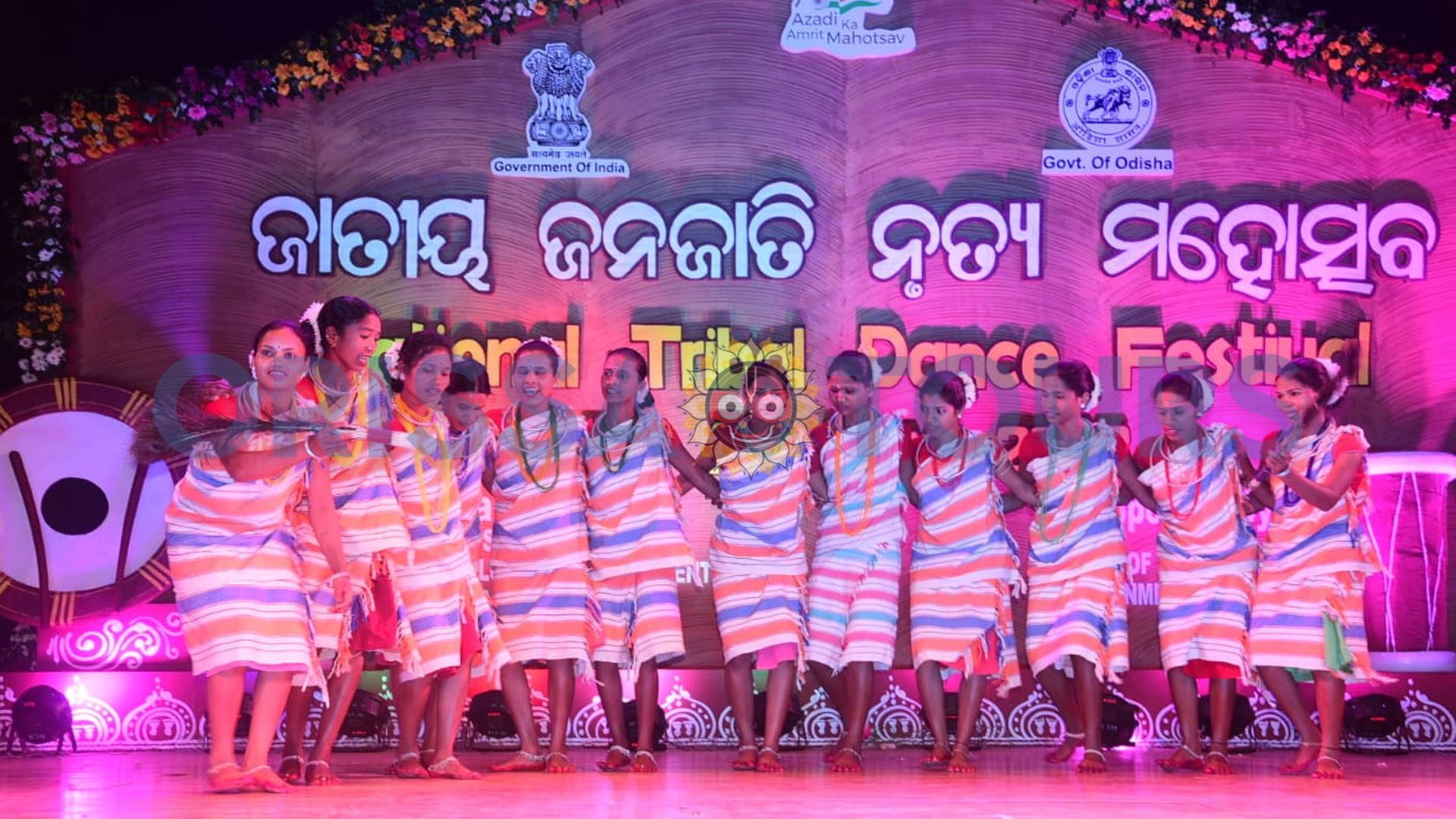
The Raja Parba Festival 2026 will be celebrated from Sunday, June 14, to Tue, June 16, as per the Odia month Asadha. Odisha’s Rani Parba Festival has many famous features such as a procession, different traditional dances including Ghumura, and handlooms and industries fairs selling handicrafts and sweets.
Tourists can enjoy Raja Doli (swings) and authentic Odia food. If you just search for Raja Parba Festival in Hindi, it seems that it will certainly be a good time to enjoy Odisha culture.
Why Raja Parba is a Must-Experience Festival
Raja Parba Festival is not simply a festival but a feeling for Odias. In its essence, it combines tradition, nature, and a sense of togetherness. You can find an experience of Odisha’s essence through the Raja Parba Festival 2026 or the Raja Parba Festival in Odisha. Whatever you call it—a famous festival of Odisha or a must-visit for culture vultures wanting to experience a true Indian festival.