Bhubaneswar, the capital of Odisha, is widely known as the Temple City of India, but the city is far more than a spiritual destination. A seamless blend of ancient heritage, modern urban planning, education, and technology, Bhubaneswar has quietly evolved into one of India’s most promising Tier-2 cities.
From 3,000-year-old archaeological roots to being a rising IT and education hub, Bhubaneswar offers a fascinating narrative that often goes unnoticed. Below are some interesting, unknown, and surprising facts about Bhubaneswar that reveal why this city holds a special place in India’s cultural and developmental landscape.
Below are a few unidentified and intriguing facts about Bhubaneswar.
1. Bhubaneswar Is One of India’s First Planned Cities
One of the most interesting facts about Bhubaneswar is that it is among India’s earliest planned cities after independence. The foundation stone of modern Bhubaneswar was laid on April 13, 1948, by Pandit Jawaharlal Nehru, India’s first Prime Minister, who envisioned it as a symbol of a newly independent nation.
The city’s structured layout, wide roads, and clearly defined sectors reflect thoughtful urban design rarely seen in post-colonial India at that time.
The initial Prime Minister of India, Pandit Jawaharlal Nehru, laid the structure stone of the city on April 13 in 1948.
2. A City With Over 3,000 Years of Recorded History
Among the most unknown facts about Bhubaneswar is its deep historical lineage. The region’s history dates back more than 3,000 years, with its earliest known settlement linked to the Mahameghavahana (Chedi) dynasty around the 2nd century BCE.
The ancient fortified city of Sisupalgarh, located near modern Bhubaneswar, is one of India’s best-preserved early urban settlements and provides archaeological evidence of advanced town planning long before the modern era.
3. Designed by a German Urban Planner
A lesser-known yet fascinating fact about Bhubaneswar is that its modern master plan was designed by Otto Königsberger, a German architect and urban planner. His vision balanced administrative efficiency, residential comfort, and green spaces, making Bhubaneswar both functional and livable.
This international influence adds a unique layer to the city’s identity and distinguishes it from many other Indian capitals.
4. Bhubaneswar Became Odisha’s Capital After Independence
In 1948, just one year after India gained independence, Bhubaneswar officially replaced Cuttack as the capital of Odisha. The decision was strategic — Bhubaneswar offered more space for planned development, modern infrastructure, and administrative expansion.
This transition marked the beginning of Bhubaneswar’s transformation into a political and cultural nerve center of the state.
5. A Rapidly Growing Education Hub
One of the most impactful facts about Bhubaneswar today is its emergence as a leading education hub in eastern India. The city hosts several prestigious institutions, including:
- IIT Bhubaneswar
- National Institute of Fashion Technology (NIFT)
- Institute of Mathematics and Applications (IMA)
- Central Institute of Freshwater Aquaculture (CIFA)
With new universities and research centers in development, Bhubaneswar is steadily positioning itself as a knowledge-driven city.
6. Ranked Among India’s Best Cities for Ease of Doing Business
In a 2009 World Bank subnational report on India, Bhubaneswar was ranked third in ease of doing business, highlighting its efficient governance, infrastructure readiness, and business-friendly environment.
This ranking reinforced Bhubaneswar’s image as not just a cultural capital, but also an emerging economic and commercial destination.
7. Home to a World-Class Convention and Trade Center
Another impressive yet unknown fact about Bhubaneswar is the development of a state-of-the-art convention and trade complex, designed by the globally renowned firm Populous.
The complex includes the World Trade Center Bhubaneswar, the fifth such facility in India, positioning the city as a growing hub for international trade, exhibitions, and professional events.
8. Nandankanan: A Zoo Unlike Any Other in India
The Nandankanan Zoological Park, spread across 400 hectares, is one of Bhubaneswar’s most iconic attractions. Established in 1960 and opened to the public in 1979, it is both a zoological park and botanical garden, set amidst natural forest land.
An interesting fact about Bhubaneswar is that Nandankanan was the first zoo in India to join the World Association of Zoos and Aquariums (WAZA) in 2009. Its name literally means “Garden of the Gods.”
9. Global Recognition for White Tiger Conservation
Among the most remarkable facts about Bhubaneswar is Nandankanan’s contribution to wildlife conservation. The zoo is globally famous for its white tiger breeding program.
In 1980, the first litter of white tigers was born here, and since then, Nandankanan has successfully bred and shared white tigers with zoos across India and the world. Today, it houses over 30 white tigers, making it one of the largest such populations globally.
10. Once Home to Over 1,000 Temples
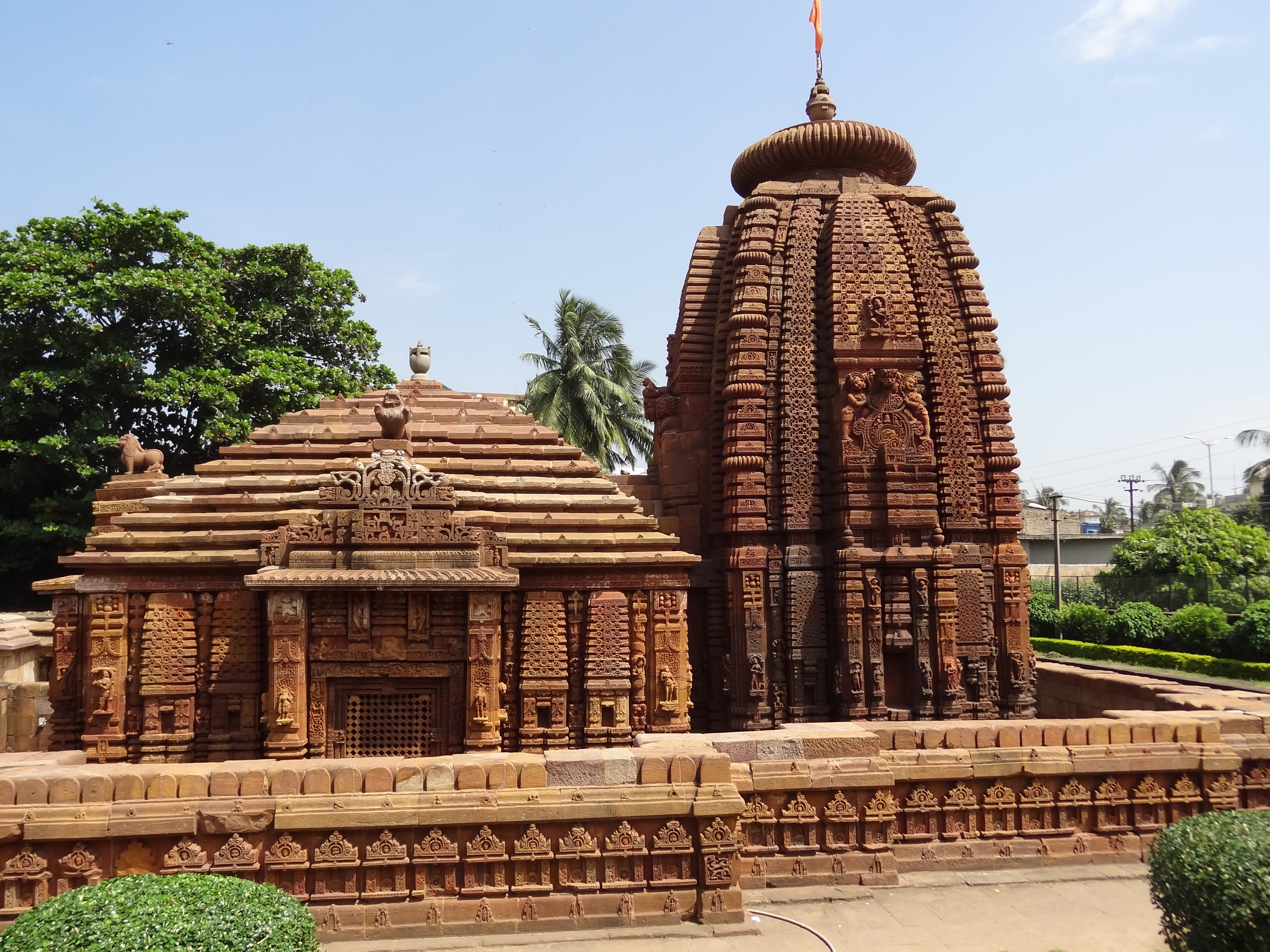
Bhubaneswar is meant to have actually had more than one thousand holy places; gaining the tag of the Temple City of India. Temples made in the Kalinga architectural design with an ache apex that curves as much as a factor over the sanctum housing the presiding divine being as well as a pyramid-covered hall where individuals sit as well as pray.
Many of these temples are built in the distinctive Kalinga architectural style, characterized by:
- A towering curved spire (Shikhara)
- Intricately carved stonework
- A pyramid-shaped prayer hall (Jagamohana)
Even today, surviving temples like Lingaraj, Mukteswara, and Rajarani continue to attract historians, architects, and spiritual seekers.
Why Bhubaneswar Stands Out
What makes Bhubaneswar truly unique is its ability to preserve ancient heritage while embracing modern growth. Few cities in India can claim a continuous history spanning millennia while also ranking among the fastest-developing urban centers.
These interesting and unknown facts about Bhubaneswar reveal a city that is not only spiritually rich but also forward-looking, intellectually vibrant, and globally connected.