Introduction
Khaja is one of the most iconic traditional sweets of India, especially associated with the state of Odisha. Known for its crispy layered texture, rich sweetness, and flaky structure, Khaja holds a special place in Indian culinary traditions and religious culture. The sweet is particularly famous as one of the offerings made to Lord Jagannath at the Jagannath Temple in Puri, making it deeply connected to Odisha’s spiritual identity.
Prepared using simple ingredients such as refined flour, sugar, and ghee, Khaja demonstrates how traditional recipes can transform basic components into a delicacy with remarkable flavor and texture. The sweet is loved not only for its taste but also for its cultural significance, festive importance, and historical roots.
Over the years, Khaja has become popular across different parts of India, with several regional variations emerging in states like Bihar, Andhra Pradesh, and Telangana. However, the Odia version remains the most celebrated due to its connection with temple traditions and authentic preparation methods.
This detailed guide explores everything about Khaja, including its history, cultural relevance, preparation process, ingredients, variations, nutritional aspects, and modern adaptations.
What is Khaja?
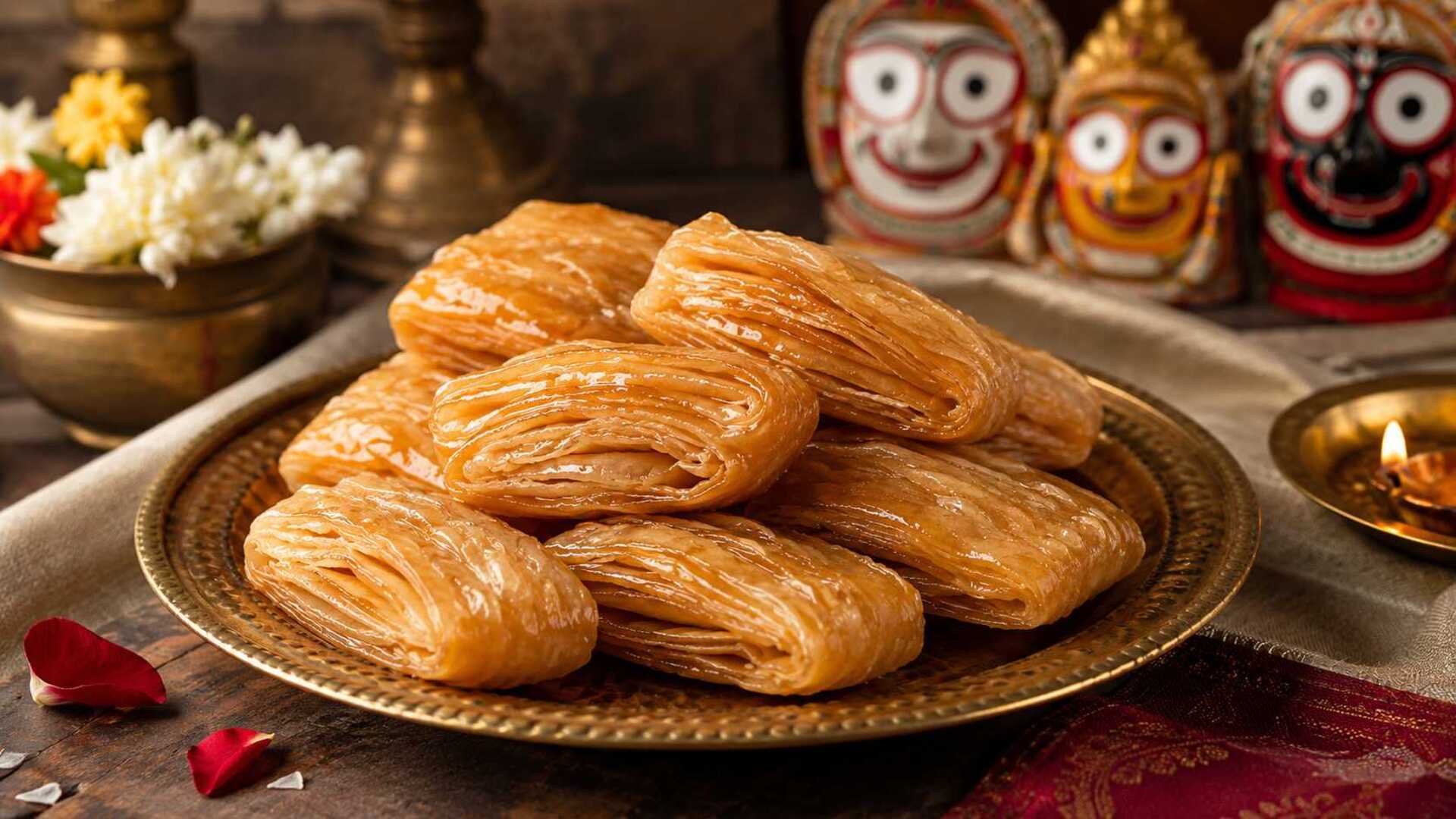
Khaja is a traditional layered sweet made primarily from flour, sugar syrup, and ghee or oil. It is known for its crisp and flaky texture, which is achieved by carefully layering dough and frying it until golden brown before coating it in sugar syrup.
- The sweet is often compared to puff pastry because of its multiple thin layers. However, Khaja has its own distinct texture and flavor profile that sets it apart from Western pastries.
- In Odisha, Khaja is more than just a dessert. It is considered sacred because it forms part of the Mahaprasad offered to Lord Jagannath.
- The preparation and offering of Khaja have religious and cultural significance that goes beyond culinary appreciation.
Khaja is typically consumed during festivals, religious ceremonies, weddings, and special occasions. Its long shelf life and rich taste also make it a popular travel snack and gift item.
Historical Origins of Khaja
The history of Khaja dates back several centuries and is closely tied to temple traditions in Odisha. Historians believe that the sweet gained prominence through its association with the Jagannath Temple in Puri, one of the most important pilgrimage sites in India.
- Temple kitchens in ancient India were known for developing elaborate food traditions, and Khaja became one of the signature offerings prepared for deities and devotees.
- The recipe was preserved and passed down through generations of temple cooks, maintaining its authenticity over time.
- Some food historians suggest that layered sweets similar to Khaja may have originated through cultural exchanges along trade routes.
- Over time, local adaptations in Odisha gave the sweet its distinctive identity.
Khaja eventually spread to neighboring regions, where different communities modified the recipe according to local tastes and ingredients. Despite these regional adaptations, the Odia Khaja remains the most recognized and culturally significant version.
Cultural and Religious Importance of Khaja
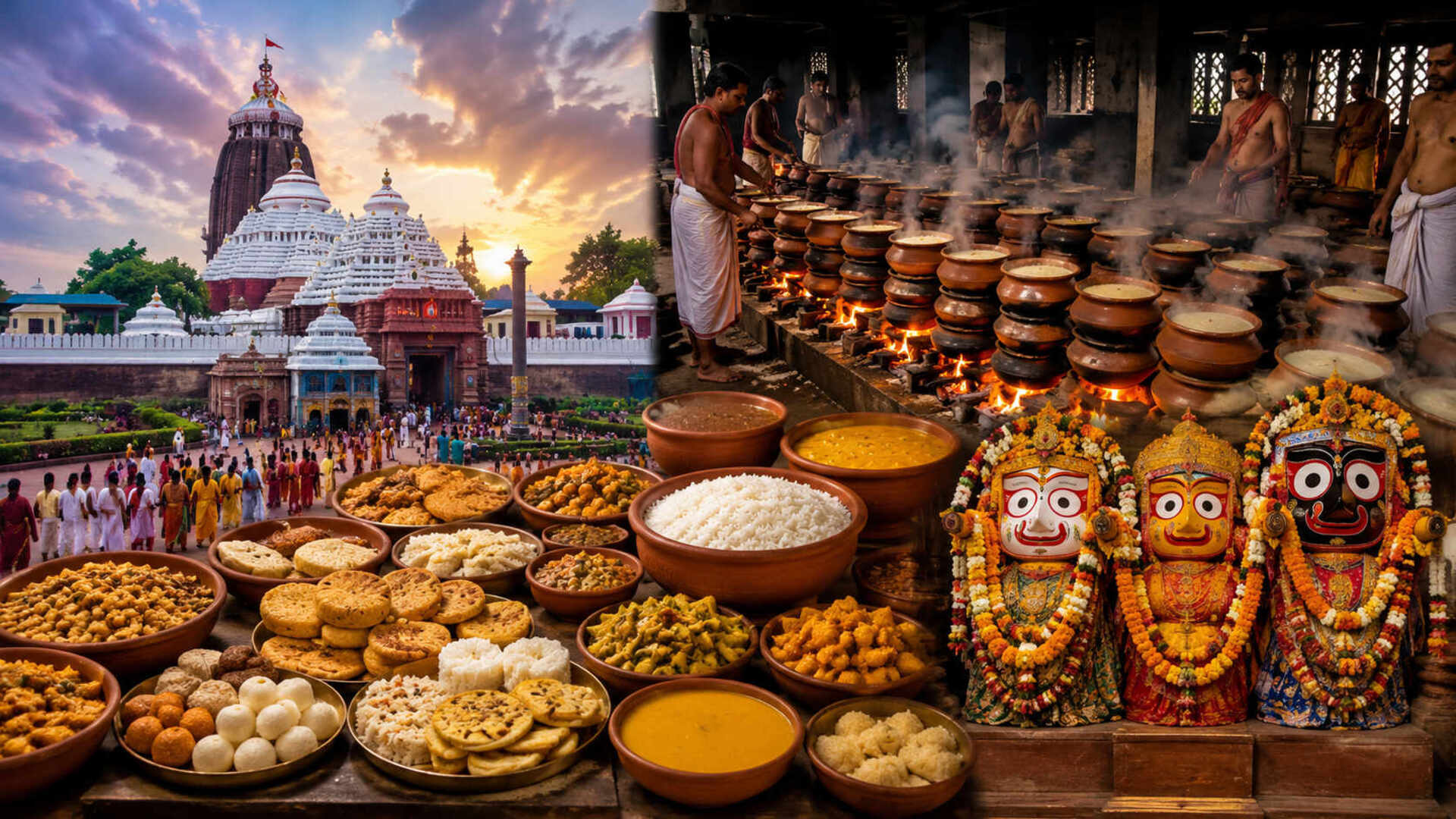
Khaja occupies a unique position in Odisha’s cultural and religious life. It is especially important in the Jagannath Temple tradition, where it is included in the Chhappan Bhog, a collection of 56 food items offered to Lord Jagannath.
- The sweet symbolizes devotion, abundance, and celebration. Pilgrims visiting Puri often purchase Khaja as prasad to take home for family and friends.
- During festivals and religious gatherings, Khaja is commonly distributed among devotees. It is also prepared during weddings, community feasts, and festive occasions, where traditional sweets play an important role in hospitality and celebration.
The popularity of Khaja reflects the larger role of sweets in Indian culture, where desserts are associated with auspicious beginnings, joy, and togetherness.
Ingredients Used in Traditional Khaja
One of the reasons Khaja remains popular is its simple ingredient list. Despite requiring only a few components, achieving the perfect texture demands skill and precision.
- The primary ingredients include refined flour, ghee, sugar, and water. Some recipes also use cardamom or rose essence for additional flavor.
- The dough forms the base structure of the sweet, while ghee creates the layered flaky texture. Sugar syrup provides sweetness and gives Khaja its glossy outer coating.
Traditional recipes rely heavily on the quality of ingredients. Pure ghee, fresh flour, and properly prepared sugar syrup significantly influence the final result.
How Khaja is Traditionally Prepared
The preparation of Khaja involves several detailed steps that require patience and expertise.
Preparing the Dough
The process begins with kneading refined flour into a smooth and firm dough using water and a small amount of ghee. The dough must have the right consistency to create layers effectively.
After kneading, the dough is allowed to rest. Resting helps relax the gluten, making the dough easier to roll and shape.
Creating the Layers
The rested dough is rolled into thin sheets. Ghee and flour paste are spread between layers before folding and rolling again.
This layering technique is responsible for the flaky structure of Khaja. Multiple folds create delicate layers that puff slightly during frying.
The layered dough is then cut into rectangular or elongated pieces before frying.
Frying the Khaja
The shaped pieces are deep-fried over medium heat until they become crisp and golden brown.
Maintaining proper frying temperature is extremely important. Excessive heat may burn the outer layer while leaving the inside uncooked.
Coating with Sugar Syrup
After frying, the Khaja pieces are dipped into sugar syrup. The syrup adds sweetness and creates a shiny finish.
Some versions use light syrup coating, while others create a thicker sugar layer depending on regional preferences.
Texture and Taste of Khaja
Khaja is famous for its unique texture, which combines crispiness with delicate flakiness.
- When bitten, the layers break apart easily, creating a light crunch followed by sweetness from the syrup coating. The use of ghee adds richness without making the sweet excessively heavy.
- The flavor profile is relatively simple compared to many Indian sweets. Instead of relying on multiple spices or fillings, Khaja focuses on texture and balance between crispness and sweetness.
Its layered structure makes it especially satisfying to eat, as each bite offers a combination of crunch and softness.
Regional Variations of Khaja
Although Odisha’s Khaja is the most famous version, several regional adaptations exist across India.
Bihar’s Khaja
Bihar is known for a version of Khaja that is often denser and sweeter. The city of Silao in Bihar is particularly famous for its Khaja.
Silao Khaja has received geographical indication recognition due to its unique preparation and local reputation.
Andhra Pradesh and Telangana Khaja
In southern India, Khaja is often prepared with slightly different techniques and syrup consistency. The sweet may be softer and more syrup-heavy compared to the Odia version.
Bengali Influence
Some Bengali sweets also resemble Khaja in layering technique, though flavors and textures differ significantly.
Each regional variation reflects local preferences while maintaining the core concept of layered fried pastry coated in sweetness.
Khaja in Jagannath Temple Cuisine
The Jagannath Temple kitchen is one of the largest and most famous temple kitchens in the world. Khaja holds a special place among the temple offerings.
- The preparation follows traditional methods that have been preserved for generations. Temple cooks, known as Suaras, prepare the sweet according to strict ritual guidelines.
- For devotees, consuming Khaja as Mahaprasad is considered spiritually significant. The sweet is not viewed merely as food but as a sacred offering blessed by the deity.
The association with the Jagannath Temple has greatly contributed to Khaja’s fame and cultural identity.
Festivals and Occasions Associated with Khaja
Khaja is commonly prepared and consumed during major festivals in Odisha and neighboring states.
- Festivals such as Rath Yatra, Diwali, Durga Puja, and Makar Sankranti often feature traditional sweets like Khaja.
- The sweet is also popular during weddings and religious ceremonies because Indian traditions strongly associate sweets with prosperity and celebration.
In many households, preparing or serving Khaja during special occasions symbolizes hospitality and respect for guests.
Nutritional Value of Khaja
Khaja is an energy-rich sweet due to its use of refined flour, sugar, and ghee.
- It provides carbohydrates, fats, and calories that make it a filling dessert or snack.
- Traditionally, such sweets were especially valued during festivals and physically demanding lifestyles because they provided quick energy.
- However, modern consumers often consume Khaja in moderation due to its high sugar and fat content.
Despite this, the sweet remains an important cultural food rather than an everyday dietary item.
Modern Adaptations of Khaja
As food trends evolve, Khaja has also undergone modern experimentation.
- Many bakeries and sweet shops now offer flavored versions incorporating chocolate, dry fruits, saffron, or nuts.
- Some health-conscious adaptations use baked preparation methods instead of deep frying, although traditionalists often argue that frying is essential for authentic texture.
- Packaging innovations have also expanded Khaja’s market reach. Vacuum-sealed and branded packaging allows longer shelf life and easier transportation.
Online food delivery platforms and e-commerce have further increased the availability of regional sweets like Khaja to wider audiences.
Challenges in Preserving Traditional Khaja
Despite its popularity, preserving authentic Khaja preparation faces several challenges.
- Commercial mass production sometimes compromises quality by using cheaper oils, artificial flavors, or shortcuts in layering techniques.
- Younger generations may also be less familiar with traditional preparation methods due to changing lifestyles and preference for fast food.
- Additionally, handmade sweets require significant skill and labor, making authentic production time-consuming.
However, cultural tourism, food blogging, and renewed interest in regional cuisine are helping preserve traditional recipes and awareness.
Why Khaja Continues to Remain Popular
Khaja’s lasting popularity comes from its combination of simplicity, tradition, and flavor.
- The sweet appeals to multiple generations because it carries emotional and cultural connections while also offering satisfying taste and texture.
- Its association with religious traditions further strengthens its importance in Indian culture.
- Even in an era dominated by modern desserts and packaged snacks, Khaja continues to attract people who value authentic regional cuisine and traditional sweets.
The rise of culinary tourism and interest in heritage foods has also contributed to renewed appreciation for sweets like Khaja.
Tips for Making Perfect Khaja at Home
Preparing Khaja at home requires attention to detail and patience.
- The dough should not be too soft or too stiff, as consistency affects layering. Proper folding and rolling are crucial for achieving flaky texture.
- Frying temperature must remain moderate to ensure even cooking. Extremely hot oil can ruin the layers.
- Sugar syrup consistency also matters. Very thick syrup may harden excessively, while thin syrup may not coat properly.
Using fresh ghee enhances both flavor and aroma significantly.
Common Mistakes to Avoid While Preparing Khaja
Many beginners struggle with maintaining proper layering. Pressing the dough too hard while rolling can flatten the layers completely.
- Overfrying is another common issue that causes bitterness and excessive hardness.
- Improper syrup consistency may make the sweet overly sticky or dry.
- Skipping resting time for the dough can also affect texture and elasticity.
Careful preparation and practice help improve results over time.
Khaja and India’s Sweet-Making Heritage
India has one of the richest sweet-making traditions in the world, and Khaja is an important part of this heritage.
- Traditional sweets often reflect local agriculture, climate, religion, and cultural identity. Khaja represents Odisha’s culinary artistry and devotional traditions.
- The continued popularity of regional sweets demonstrates how food preserves cultural memory and connects generations.
As interest in regional Indian cuisine grows globally, sweets like Khaja are gaining recognition beyond their traditional boundaries.
Conclusion
Khaja is much more than a crispy layered sweet. It is a symbol of Odisha’s rich culinary heritage, religious traditions, and festive culture. From its sacred role in the Jagannath Temple to its widespread popularity during celebrations, Khaja reflects the deep connection between food, devotion, and identity in Indian society.
Its flaky texture, balanced sweetness, and simple ingredients showcase the beauty of traditional Indian sweets that rely on skill and craftsmanship rather than complexity.
Despite modern food trends and changing lifestyles, Khaja continues to remain relevant because of its cultural value and timeless appeal. Whether enjoyed as temple prasad, festive dessert, or regional delicacy, Khaja remains one of India’s most treasured traditional sweets.