Introduction
The Mahaprasad of the Jagannath Temple in Puri is not just food—it is a sacred tradition deeply connected to spirituality, culture, devotion, and community. Revered by millions of devotees across India and beyond, Mahaprasad holds a unique position in Hindu religious practices because it is believed to be directly blessed by Lord Jagannath himself. Unlike ordinary temple offerings, Mahaprasad represents equality, divinity, and centuries-old culinary traditions preserved within one of India’s most important pilgrimage sites.
The Jagannath Temple, located in Puri, Odisha, is one of the four sacred Char Dham pilgrimage destinations in Hinduism. Every day, thousands of devotees gather not only for darshan but also to receive and consume Mahaprasad. The preparation, offering, and distribution of this sacred food follow rituals that have remained largely unchanged for generations.
What makes Mahaprasad extraordinary is the combination of spirituality and tradition. It is prepared in massive quantities using traditional cooking methods, offered to the deities, and then distributed among devotees regardless of caste, class, or social status. This practice reflects the inclusive philosophy associated with Lord Jagannath.
This detailed guide explores the history, significance, preparation methods, rituals, varieties, cultural importance, and spiritual meaning of Mahaprasad of the Jagannath Temple.
What is Mahaprasad?
Meaning of Mahaprasad
The word “Mahaprasad” comes from two Sanskrit words: “Maha,” meaning great, and “Prasad,” meaning blessed offering. Mahaprasad refers to the sacred food first offered to Lord Jagannath, Lord Balabhadra, and Goddess Subhadra inside the Jagannath Temple.
After the offering ritual is completed, the food becomes spiritually sanctified and is then distributed among devotees. Unlike regular food, Mahaprasad is considered divine because it is believed to carry the blessings of the deities.
In the Jagannath tradition, Mahaprasad is not treated merely as temple food. It is regarded as sacred grace from the Lord and is consumed with deep devotion and respect.
Why Mahaprasad is Unique
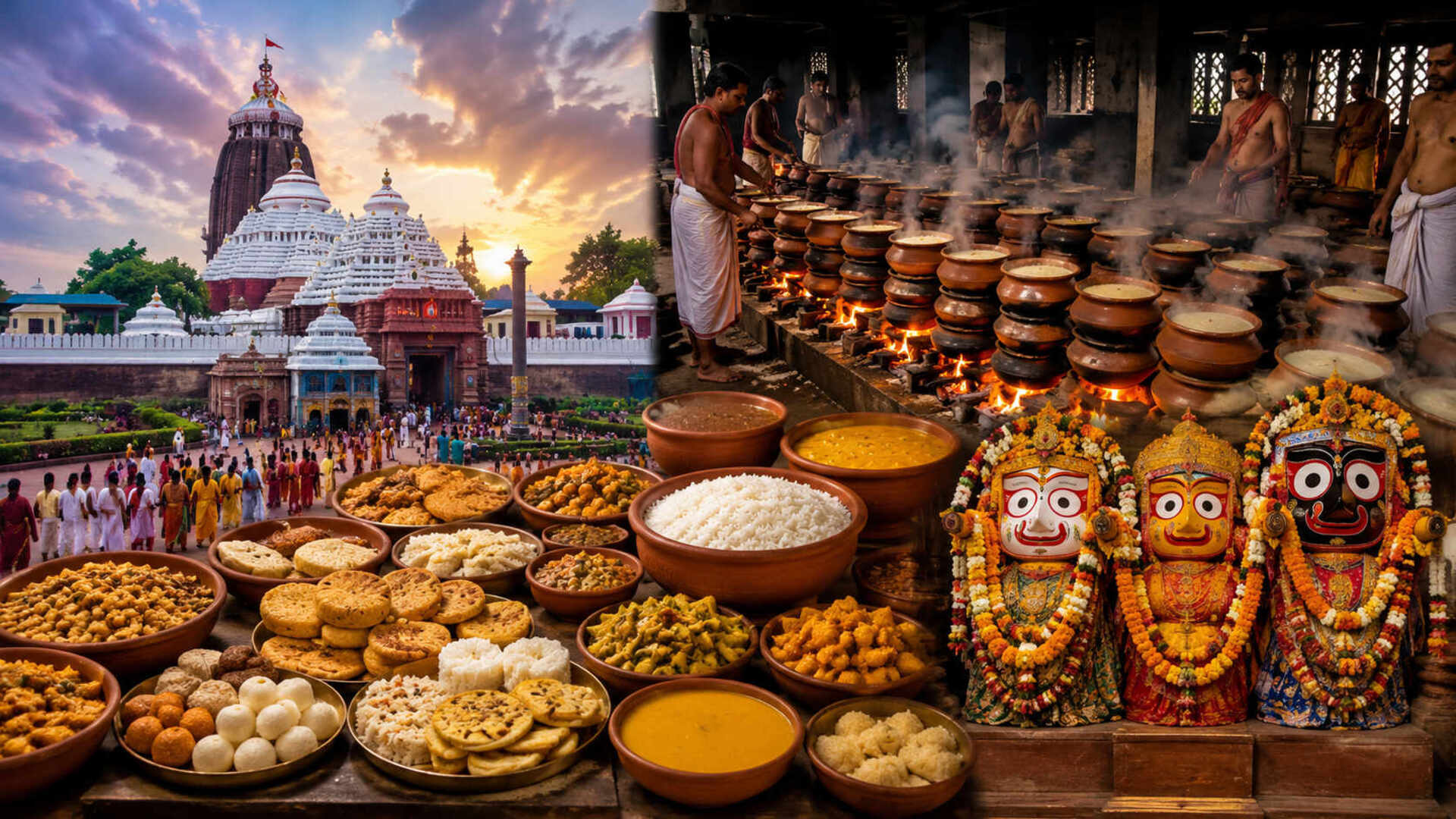
Mahaprasad is unique for several reasons. One of the most important aspects is that it is prepared according to ancient temple traditions without modern cooking methods. The food is cooked in earthen pots over wood-fired stoves inside the temple kitchen.
Another unique feature is the spiritual equality associated with Mahaprasad. People from all communities sit together and consume the sacred food without discrimination. This reflects the universal and inclusive nature of Jagannath culture.
Mahaprasad is also famous for its connection to Goddess Mahalakshmi, who is believed to supervise the cooking process spiritually. Devotees believe that the food prepared in the temple never falls short despite serving thousands daily.
Historical Background of Mahaprasad
Origins of the Tradition
The tradition of Mahaprasad dates back several centuries and is closely linked with the establishment of the Jagannath Temple itself. Historical records suggest that temple food rituals became highly organized during the rule of the Eastern Ganga dynasty, particularly under King Anantavarman Chodaganga Deva, who played a major role in constructing the present temple structure.
The preparation and offering of food to deities have always been part of Hindu temple worship. However, the Jagannath Temple developed a distinct system where food offerings became central to religious life and public participation.
Over time, Mahaprasad evolved into not only a spiritual practice but also a symbol of Odisha’s cultural identity.
Connection with Jagannath Culture
Jagannath culture emphasizes devotion, simplicity, equality, and community participation. Mahaprasad reflects all these values.
The food offered to Lord Jagannath is believed to symbolize the bond between the deity and devotees. Unlike traditions where sacred offerings are limited, Mahaprasad is distributed generously to everyone, reinforcing the idea that divine blessings belong to all humanity.
The tradition also reflects agricultural abundance and regional culinary heritage, as many dishes are prepared using locally available ingredients such as rice, lentils, vegetables, jaggery, and spices.
The Sacred Kitchen of Jagannath Temple
The Largest Temple Kitchen in the World
The Jagannath Temple kitchen is considered one of the largest temple kitchens in the world. Every day, massive quantities of food are prepared to feed thousands of devotees.
The kitchen operates with remarkable organization and follows strict traditional methods. Hundreds of cooks, known as “Suaras,” work together to prepare the offerings.
Despite the enormous scale, the cooking process remains entirely traditional and spiritual.
Traditional Cooking Methods
One of the most fascinating aspects of Mahaprasad preparation is the use of earthen pots stacked on top of each other over wood-fired stoves.
Interestingly, devotees believe that the topmost pot cooks first, which is considered a divine miracle associated with Lord Jagannath’s blessings.
The use of clay pots enhances the flavor and purity of the food. No modern equipment such as gas stoves or electric appliances is used inside the sacred kitchen.
The cooking process follows strict rituals, and only designated temple cooks are allowed to prepare the offerings.
Role of the Temple Cooks
The temple cooks hold a respected position because they are entrusted with preparing food for the deities.
Cooking inside the temple kitchen is considered a sacred service rather than ordinary labor. The cooks follow ritual purity, traditional practices, and specific cooking procedures passed down through generations.
Their work reflects discipline, devotion, and dedication to preserving temple traditions.
Types of Mahaprasad
Sankhudi Mahaprasad
Sankhudi refers to cooked food items such as rice, dal, curries, and khichdi. These dishes form the main meal offerings inside the temple.
The preparation is simple yet deeply flavorful because of traditional cooking methods and fresh ingredients.
Sukhila Mahaprasad
Sukhila Mahaprasad includes dry food items that can be stored for longer periods.
One of the most famous examples is “Nirmalya,” which consists of dried rice offered to the deity. Devotees often carry it home as a sacred blessing.
Chhappan Bhog
The Jagannath Temple is especially famous for “Chhappan Bhog,” meaning 56 varieties of food offerings.
According to tradition, Lord Krishna used to eat eight times a day. During a particular divine event, he missed seven meals for eight days, resulting in 56 missed meals. To honor this, 56 dishes are offered to Lord Jagannath.
The Chhappan Bhog includes rice preparations, sweets, cakes, vegetable dishes, and traditional Odia delicacies.
Popular Dishes Included in Mahaprasad
Rice Preparations
Rice is the central element of Mahaprasad. Different rice dishes are prepared daily using traditional methods.
Popular varieties include plain rice, ghee rice, kanika (sweet aromatic rice), and khichdi.
Dal and Vegetable Dishes
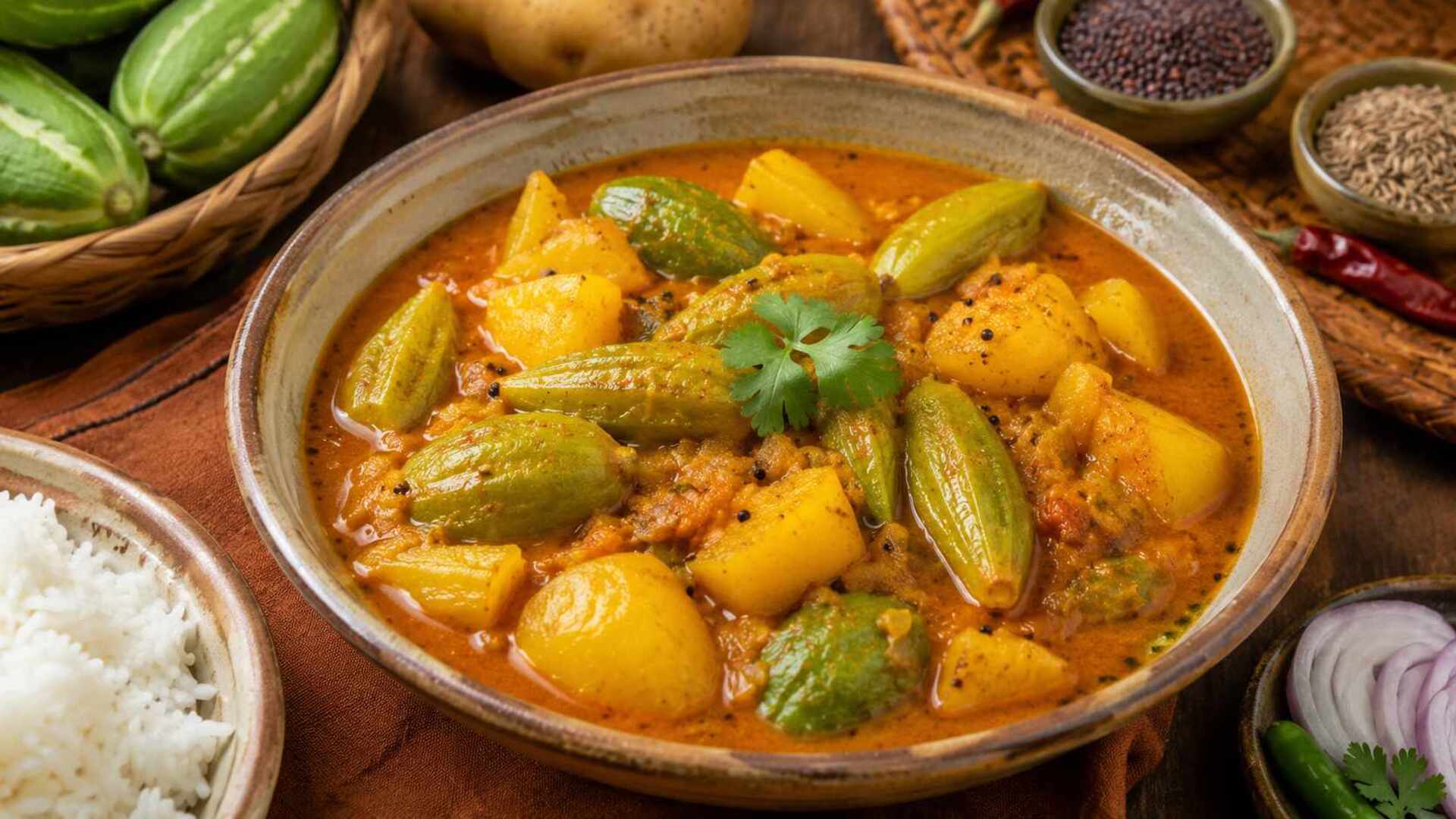
Lentil preparations and vegetable curries are essential components of Mahaprasad.
The dishes are cooked without onion or garlic, maintaining satvik purity according to temple traditions.
Traditional Sweets
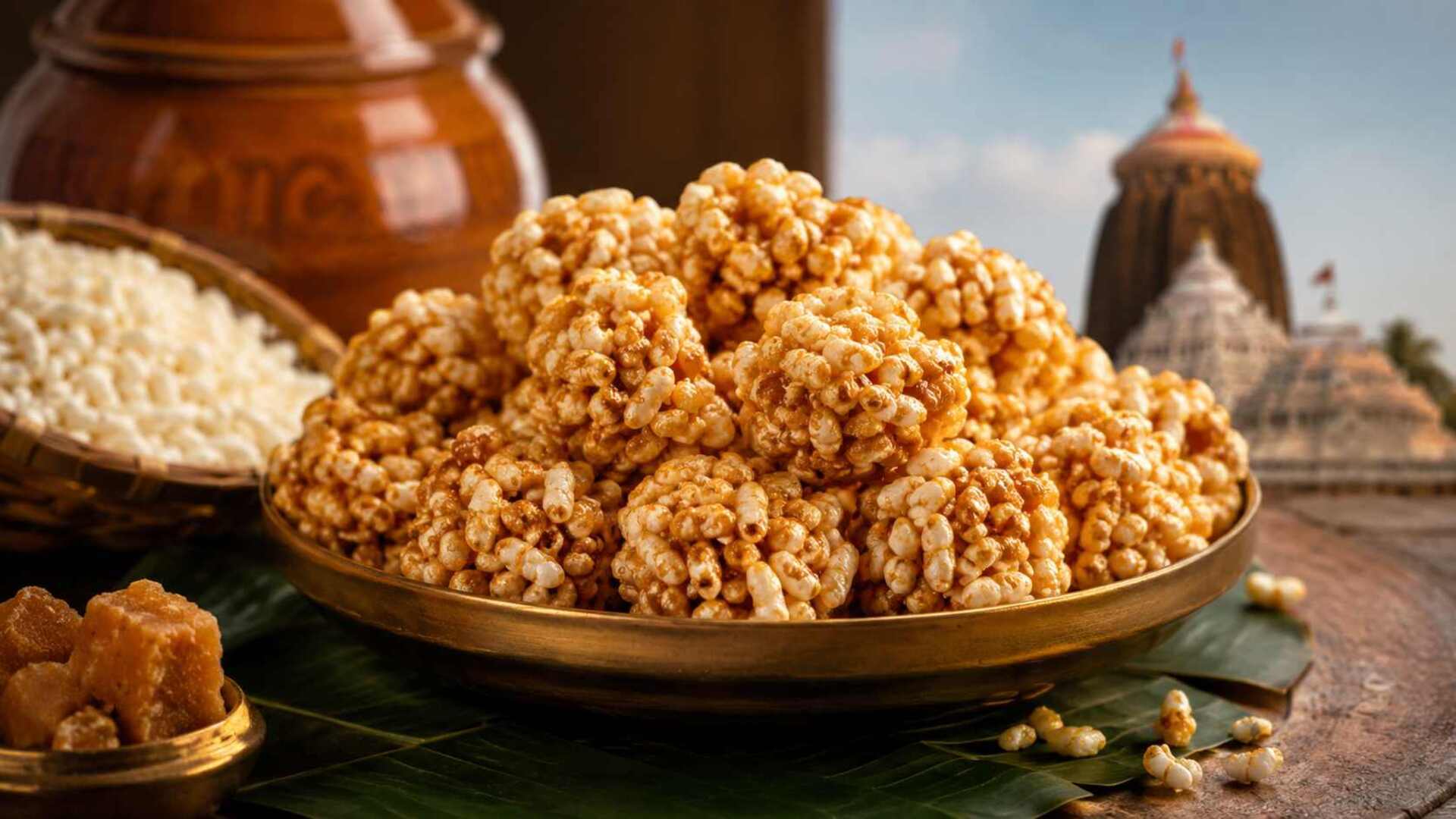
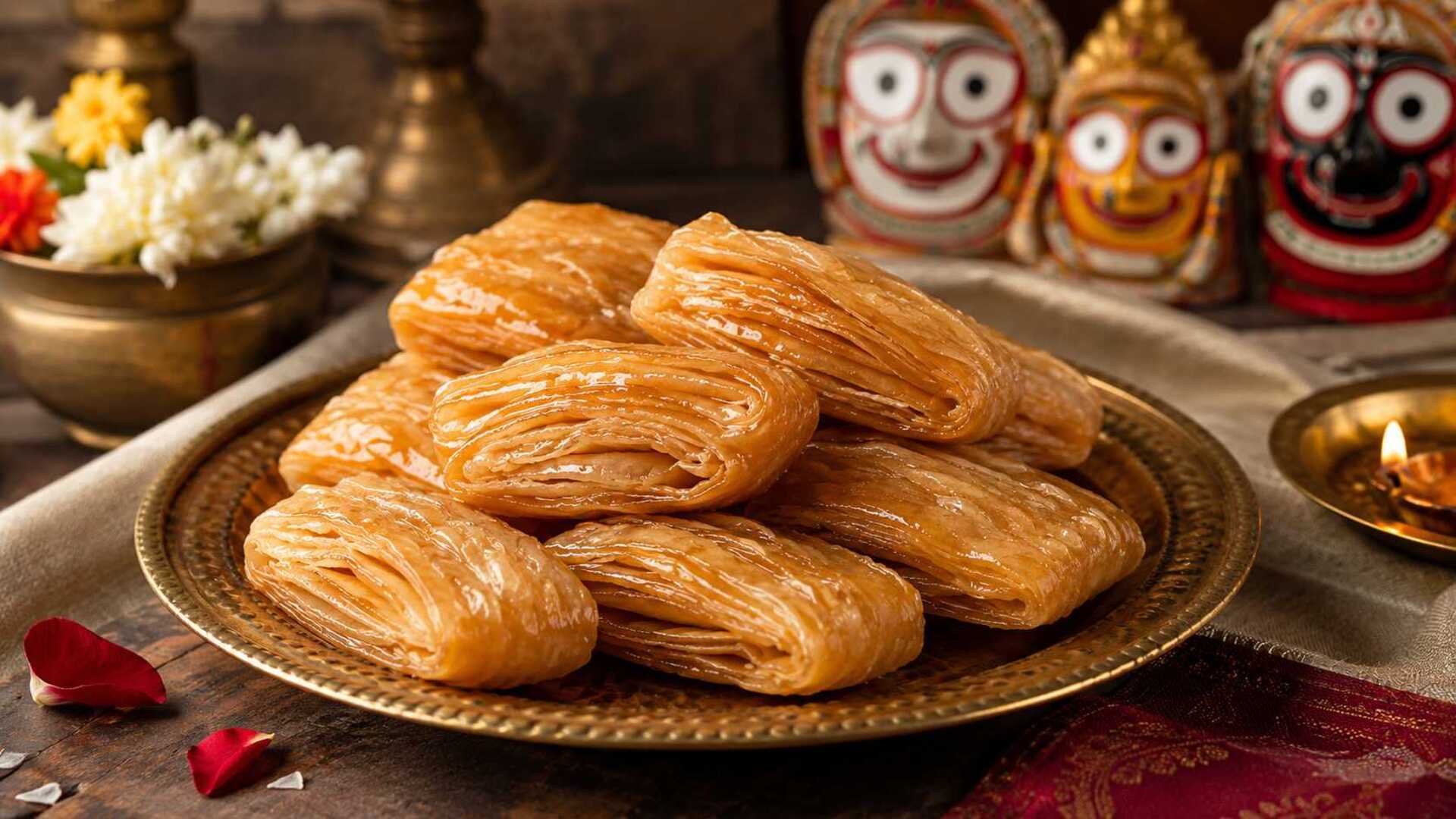
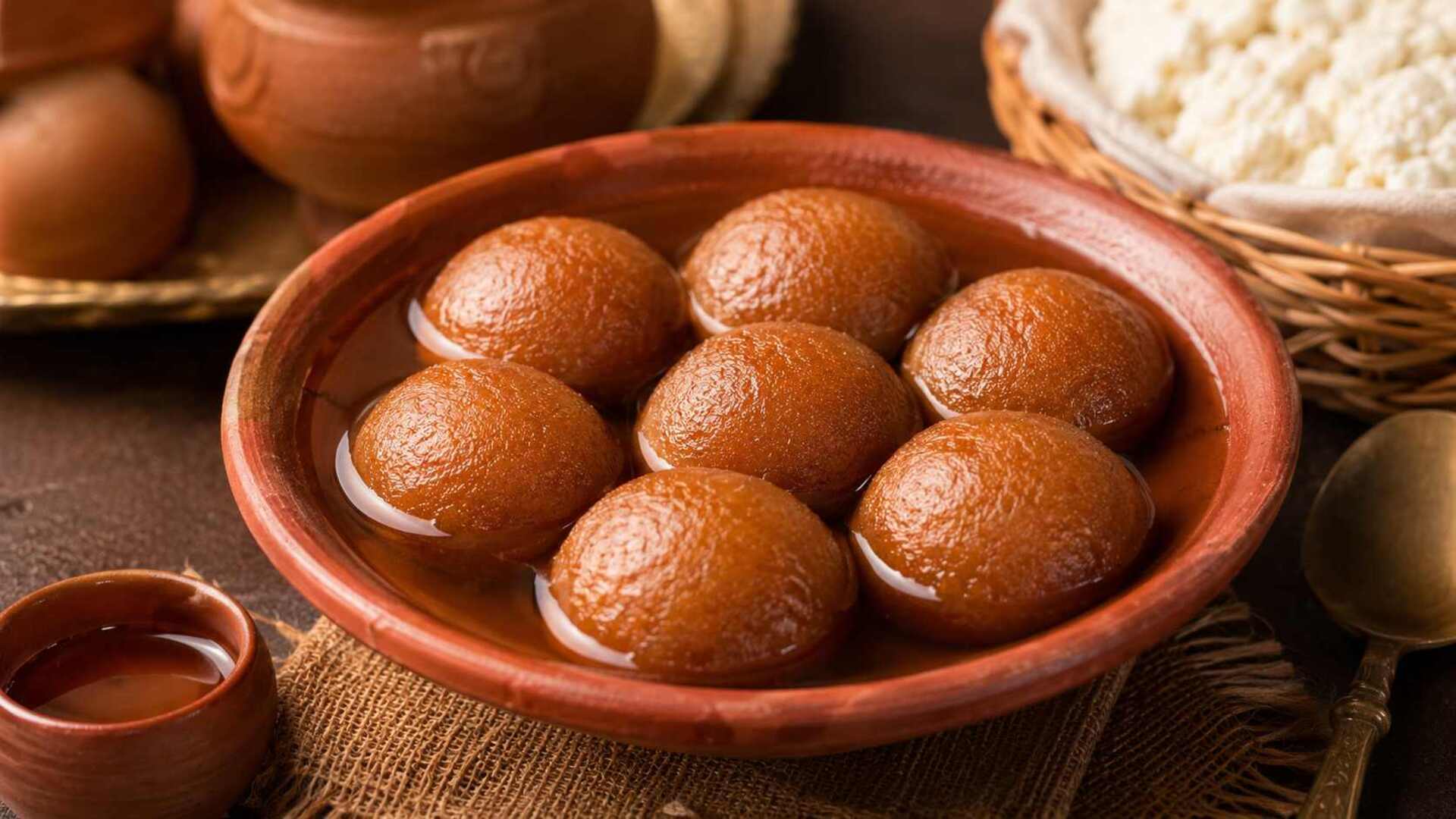
Mahaprasad also includes a variety of sweets such as kheeri, malpua, manda pitha, and ladoos.
These sweets are prepared using jaggery, coconut, milk, rice flour, and cardamom, reflecting Odisha’s traditional culinary heritage.
Spiritual Importance of Mahaprasad
Symbol of Divine Blessings
Devotees believe that Mahaprasad carries the direct blessings of Lord Jagannath. Consuming it is considered spiritually purifying and auspicious. Many pilgrims consider receiving Mahaprasad one of the most important parts of their visit to Puri.
Equality and Unity
One of the most remarkable aspects of Mahaprasad is its role in promoting equality.
People from all backgrounds sit together and consume the sacred food without discrimination. This practice challenges social divisions and emphasizes spiritual unity. The concept reflects the inclusive philosophy associated with Lord Jagannath.
Sacredness Beyond Religion
Mahaprasad is respected not only by devotees but also by visitors interested in Indian culture, spirituality, and culinary traditions.
Its significance extends beyond religion because it represents community, generosity, and shared humanity.
Anand Bazaar: The Marketplace of Mahaprasad
What is Anand Bazaar?
Anand Bazaar is the area within the temple complex where Mahaprasad is distributed and sold to devotees.
The atmosphere is vibrant and deeply spiritual, with devotees gathering to purchase and share sacred food.
Social and Cultural Experience
Eating Mahaprasad at Anand Bazaar is considered a unique cultural experience.
- Families, pilgrims, saints, and visitors sit together and enjoy the food in a spirit of devotion and togetherness.
- The marketplace reflects the living tradition of Jagannath culture and hospitality.
Rituals Associated with Mahaprasad
Offering to the Deities
- Before becoming Mahaprasad, the food is first offered to Lord Jagannath, Lord Balabhadra, Goddess Subhadra, and Goddess Bimala.
- The offering to Goddess Bimala is especially significant because only after this ritual does the food become Mahaprasad.
Daily Food Offerings
- Several food offerings are made throughout the day according to temple rituals.
- Each offering corresponds to specific timings and ceremonies, reflecting the structured daily worship system of the temple.
Festivals and Special Occasions
- During major festivals such as Rath Yatra and Snana Yatra, special Mahaprasad preparations are made in larger quantities.
- These occasions attract massive crowds, further highlighting the importance of temple food traditions.
Mahaprasad and Odia Cuisine
Influence on Regional Food Culture
Mahaprasad has significantly influenced Odia cuisine over centuries.
- Many traditional dishes prepared in Odia households have roots in temple cooking practices.
- The emphasis on simplicity, balanced flavors, and satvik cooking remains central to regional culinary traditions.
Preservation of Traditional Recipes
- The Jagannath Temple has played a major role in preserving ancient recipes and cooking methods.
- Even today, many dishes are prepared exactly as they were centuries ago, helping maintain Odisha’s culinary heritage.
Modern Relevance of Mahaprasad
Spiritual Tourism
- The Jagannath Temple attracts millions of pilgrims and tourists every year.
- Mahaprasad remains one of the biggest attractions because visitors seek both spiritual fulfillment and cultural experience.
Cultural Identity
- For the people of Odisha, Mahaprasad is more than temple food—it is a symbol of identity and pride.
- The tradition continues to connect generations through shared rituals and memories.
Global Recognition
As interest in traditional Indian food and spiritual practices grows globally, Mahaprasad is gaining international recognition for its cultural and historical significance.
Challenges in Preserving the Tradition
Balancing Tradition and Modernity
- Maintaining ancient cooking methods while serving large numbers of devotees is a major challenge.
- The temple administration works to preserve traditional systems without compromising authenticity.
Hygiene and Infrastructure
- Managing cleanliness and food safety for massive crowds requires continuous effort.
- Despite modernization pressures, preserving ritual purity remains a priority.
Conclusion
The Mahaprasad of Jagannath Temple is far more than a sacred meal. It is a living tradition that combines spirituality, equality, devotion, culture, and culinary heritage.
From the sacred kitchen and ancient cooking techniques to the inclusive practice of sharing food among all devotees, Mahaprasad reflects the essence of Jagannath culture. It teaches values of humility, unity, gratitude, and community while preserving centuries-old traditions that continue to inspire millions.
For pilgrims visiting Puri, receiving Mahaprasad is considered a deeply spiritual experience. For cultural enthusiasts, it represents one of India’s most remarkable examples of how food can connect religion, society, and heritage.
Even in modern times, Mahaprasad continues to remain timeless—bridging the past and present through faith, tradition, and shared humanity.