Introduction
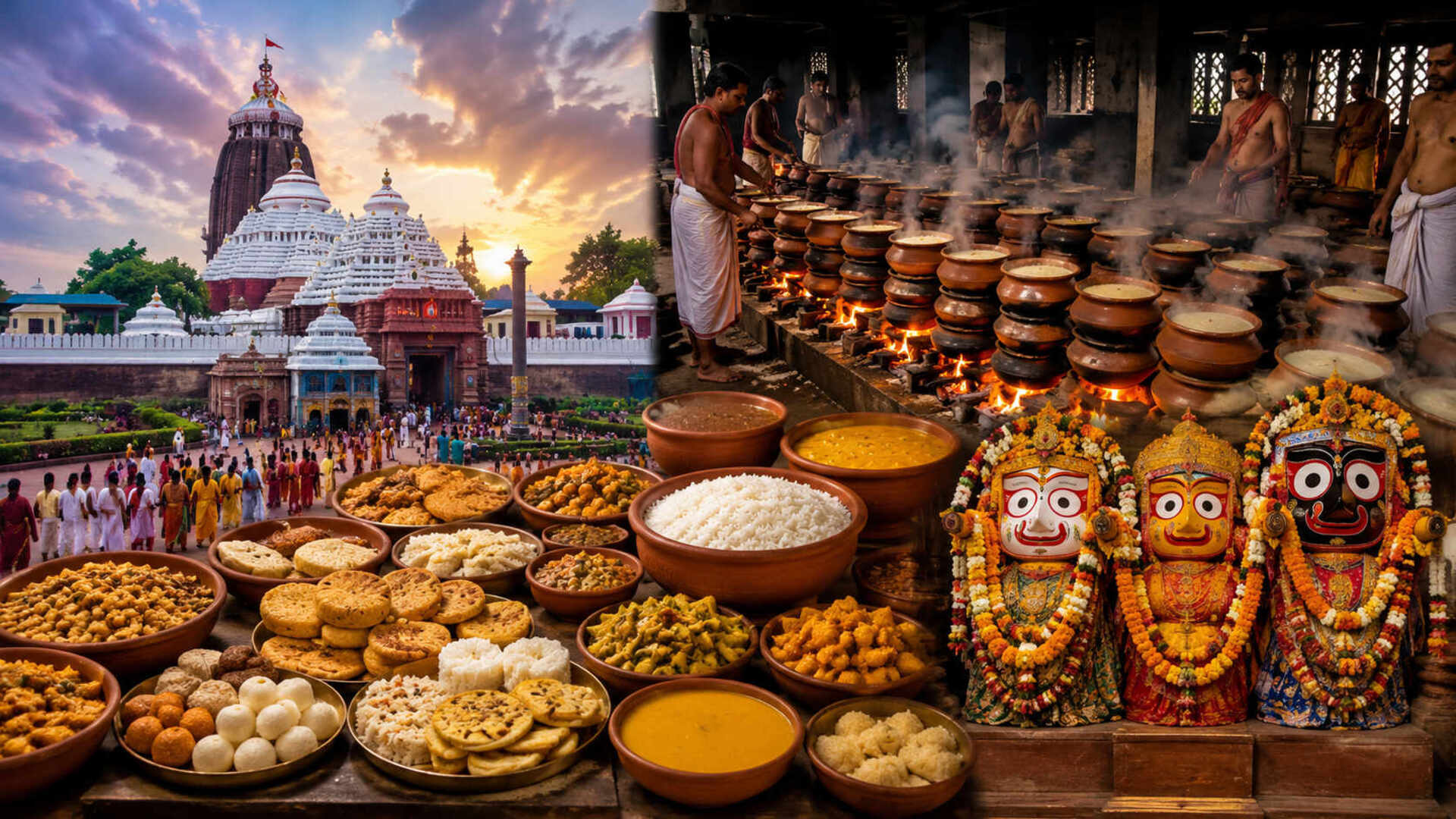
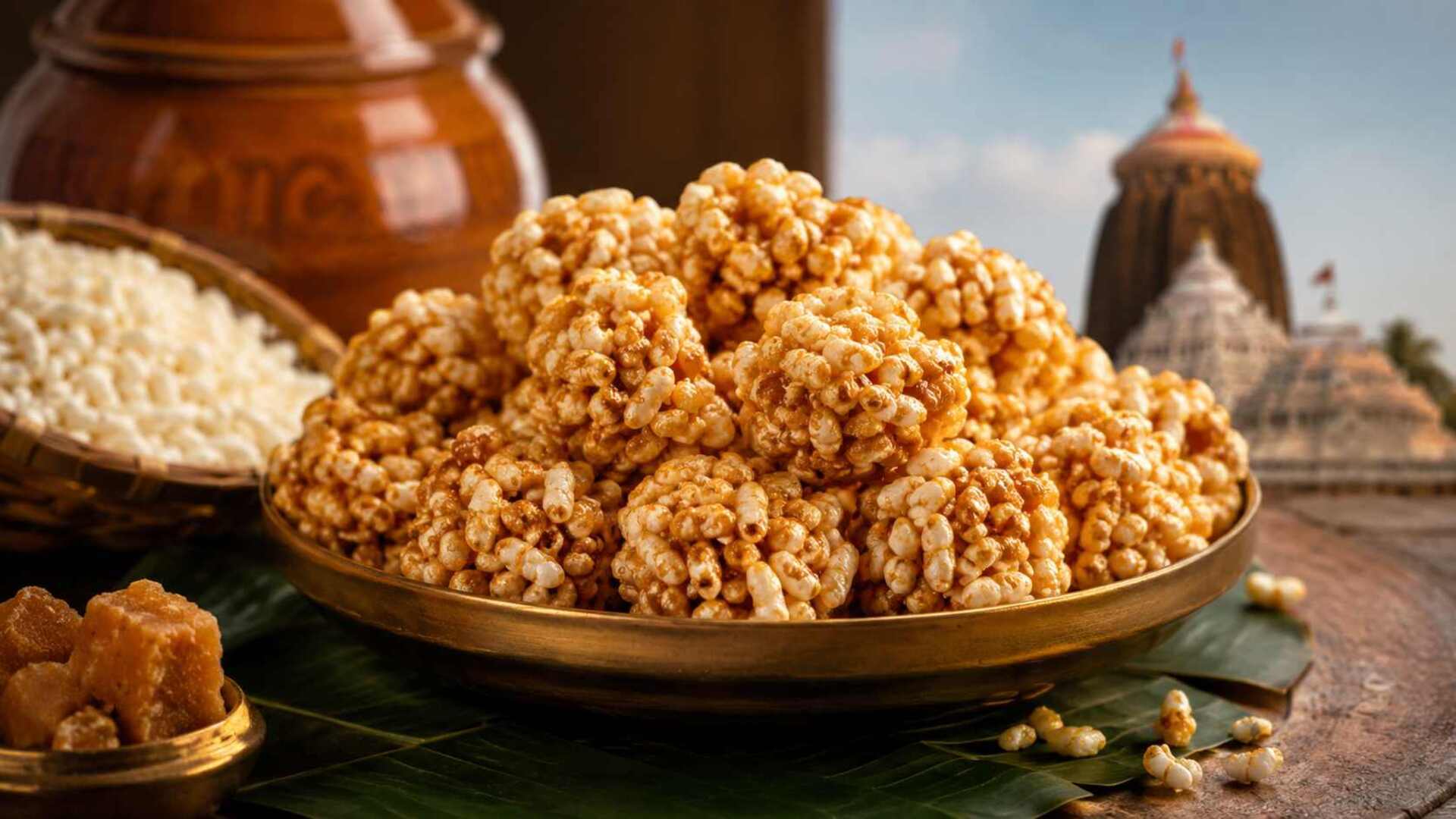
Kora Khai is one of Odisha’s most cherished traditional snacks, known for its unique taste, cultural importance, and deep connection to the Jagannath Temple in Puri. Made primarily from puffed rice, jaggery, and ghee, this simple yet flavorful delicacy represents the rich culinary heritage of the state. Although it may appear modest compared to modern sweets and snacks, Kora Khai carries centuries of tradition and continues to hold a special place in Odia households and festivals.
Often associated with religious offerings and temple traditions, Kora Khai is more than just food. It is a symbol of devotion, community, and Odisha’s age-old food culture. The snack is especially famous as a part of the Mahaprasad served at the Jagannath Temple, where thousands of devotees enjoy it daily.
Some reasons why Kora Khai remains popular include:
- Simple and natural ingredients
- Deep cultural and spiritual significance
- Long-standing temple traditions
- Unique crunchy texture and flavor
- Easy preparation and long shelf life
Over the years, Kora Khai has gained popularity beyond Odisha because of its authentic flavor, nutritional simplicity, and traditional preparation methods. This detailed guide explores the history, preparation, cultural significance, ingredients, health benefits, and growing popularity of Kora Khai.
What is Kora Khai?
Understanding the Traditional Delicacy
Kora Khai is a traditional sweet snack made using puffed rice that is coated with jaggery syrup and lightly flavored with ghee. The word “Khai” refers to puffed rice, while “Kora” generally refers to the hardened or crunchy texture created after the jaggery coating dries.
Unlike heavily processed snacks, Kora Khai relies on minimal ingredients and traditional cooking methods. Its simplicity is what makes it unique. The combination of crunchy puffed rice and rich jaggery creates a balance of sweetness and texture that appeals to people of all ages.
Key characteristics of Kora Khai include:
- Crunchy texture
- Mild sweetness from jaggery
- Traditional preparation methods
- Minimal use of oil
- Long-lasting freshness
Kora Khai is widely consumed during religious occasions, temple visits, family gatherings, and festivals. It is especially popular in Puri, where it is closely associated with temple offerings.
Why Kora Khai is Special
One of the most distinctive aspects of Kora Khai is its connection to spirituality and tradition. Many traditional Indian sweets are rich and elaborate, but Kora Khai demonstrates how basic ingredients can create something meaningful and delicious.
The snack also reflects Odisha’s agricultural roots, as rice and jaggery have long been staple ingredients in the region. Its preparation method has remained largely unchanged for generations, preserving its authenticity and cultural value.
Reasons why Kora Khai stands out:
- Strong association with Jagannath culture
- Represents Odisha’s food heritage
- Uses locally available ingredients
- Preserves traditional cooking methods
- Symbolizes simplicity and devotion
Historical Background of Kora Khai
Origins in Odisha’s Food Culture
Kora Khai has deep roots in Odisha’s culinary and religious traditions. Historically, puffed rice-based foods were common in rural communities because they were affordable, easy to prepare, and had a long shelf life.
Rice has always been central to Odisha’s agricultural economy, making puffed rice a widely available ingredient. Villagers often combined puffed rice with jaggery to create energy-rich snacks that could be consumed throughout the day.
Historically, Kora Khai was valued because it was:
- Affordable for rural households
- Easy to prepare in large quantities
- Suitable for travel and storage
- Nutritious and filling
- Made from readily available ingredients
Over time, Kora Khai evolved from a simple rural snack into an important temple delicacy associated with Jagannath culture.
Connection with Jagannath Temple
Kora Khai is most famous for its association with the Jagannath Temple in Puri. It is included in the Mahaprasad offered to Lord Jagannath and later distributed among devotees.
The Jagannath Temple is known for preserving centuries-old food traditions. The inclusion of Kora Khai in temple offerings reflects its cultural and spiritual significance.
For devotees, consuming Kora Khai is not just about taste; it is considered a sacred experience connected to faith and devotion.
The temple connection makes Kora Khai:
- Spiritually significant
- Culturally respected
- Popular among pilgrims
- Associated with sacred offerings
- Important in Odia traditions
Ingredients Used in Kora Khai
Puffed Rice
Puffed rice is the primary ingredient in Kora Khai. It provides the light and crunchy texture that defines the snack.
Traditionally, locally sourced rice is roasted or processed to create puffed rice with a delicate texture. High-quality puffed rice is essential for achieving the perfect consistency.
Benefits of puffed rice include:
- Light and airy texture
- Easy digestion
- Long shelf life
- Quick source of energy
- Low fat content
Jaggery
Jaggery acts as the sweetening agent and binding ingredient. Unlike refined sugar, jaggery adds depth of flavor and a slightly earthy sweetness.
The jaggery syrup is carefully prepared to achieve the correct consistency. If overcooked, the mixture becomes too hard, while undercooking prevents proper binding.
Advantages of jaggery:
- Natural sweetener
- Contains minerals like iron and magnesium
- Rich traditional flavor
- Less processed than refined sugar
- Enhances aroma and texture
Ghee
Ghee enhances flavor and aroma while adding richness to the snack. Even a small quantity can significantly improve taste and texture.
Why ghee is used:
- Improves flavor
- Adds aroma
- Prevents sticking
- Enhances texture
- Increases richness
Optional Ingredients
Some variations may include:
- Cardamom powder for aroma
- Coconut pieces for texture
- Black pepper for mild spice
- Sesame seeds for additional flavor
However, traditional Kora Khai usually remains simple and ingredient-focused.
Traditional Method of Preparing Kora Khai
Step 1: Preparing the Puffed Rice
The puffed rice is first cleaned to remove impurities and lightly roasted to enhance crispness. This step is important because it helps maintain texture after mixing with jaggery syrup.
Important preparation tips:
- Use fresh puffed rice
- Roast lightly to avoid burning
- Remove moisture completely
- Ensure uniform crispness
Step 2: Making the Jaggery Syrup
Jaggery is melted in a pan with a small amount of water. The syrup is cooked until it reaches the right consistency.
Achieving the perfect syrup texture requires experience and attention. Traditional cooks often test the syrup manually to determine readiness.
The syrup should be:
- Thick but not overcooked
- Smooth and lump-free
- Rich in color and aroma
- Sticky enough to coat evenly
Step 3: Mixing the Ingredients
The roasted puffed rice is quickly mixed into the hot jaggery syrup. The mixture must be stirred rapidly to ensure even coating.
During mixing:
- Work quickly before the syrup hardens
- Stir evenly for proper coating
- Avoid crushing the puffed rice
- Ensure balanced sweetness
Step 4: Cooling and Setting
After mixing, the Kora Khai is allowed to cool. As the jaggery hardens, the snack develops its characteristic crunchy texture.
The final product becomes:
- Crisp and crunchy
- Sweet and aromatic
- Light yet filling
- Suitable for storage
Importance of Kora Khai in Jagannath Culture
Role in Mahaprasad
The Jagannath Temple is famous for its Mahaprasad, which consists of sacred food offerings prepared using traditional methods.
Kora Khai is one of the many offerings included in this sacred food tradition. Devotees consider Mahaprasad spiritually pure and culturally significant.
Its role in Mahaprasad highlights:
- Religious importance
- Historical continuity
- Traditional temple cuisine
- Devotional practices
- Community sharing traditions
Symbol of Simplicity and Devotion
Unlike elaborate desserts, Kora Khai represents simplicity and humility. Its basic ingredients reflect the spiritual philosophy associated with Jagannath culture.
The snack symbolizes the idea that devotion does not require extravagance. Simple food prepared with sincerity can hold deep spiritual meaning.
Nutritional Value of Kora Khai
Rich Source of Energy
Kora Khai provides quick energy due to the combination of carbohydrates from puffed rice and natural sugars from jaggery.
This made it particularly useful historically for:
- Farmers and laborers
- Travelers
- Temple visitors
- Festival gatherings
Benefits of Jaggery
Jaggery contains minerals such as:
- Iron
- Magnesium
- Potassium
- Calcium
Unlike refined sugar, jaggery retains some nutritional content from sugarcane processing.
Light and Digestible
Because puffed rice is light and airy, Kora Khai is relatively easy to digest when consumed in moderation.
Low Oil Content
Traditional Kora Khai contains very little oil, making it lighter compared to deep-fried sweets and snacks.
Festivals and Occasions Associated with Kora Khai
Kora Khai is commonly prepared and consumed during:
- Rath Yatra
- Makar Sankranti
- Temple ceremonies
- Religious offerings
- Family gatherings
- Community feasts
Many Odia families also serve it during tea time or festive visits because of its traditional appeal and easy storage.
Regional Popularity of Kora Khai
Popularity in Odisha
Kora Khai is especially popular in:
- Puri
- Bhubaneswar
- Cuttack
- Rural Odisha
Different regions may have slight variations in sweetness or texture.
Growing Recognition Outside Odisha
As regional Indian cuisines gain popularity, Kora Khai has started receiving attention outside Odisha.
Reasons for growing popularity include:
- Interest in traditional foods
- Demand for authentic regional snacks
- Tourism in Puri
- Awareness through food blogs and media
- Preference for simple ingredient-based snacks
Difference Between Kora Khai and Other Puffed Rice Snacks
Kora Khai differs from commercial puffed rice snacks in several ways:
- Uses jaggery instead of artificial sweeteners
- Has spiritual and cultural significance
- Prepared using traditional methods
- Contains minimal additives
- Offers authentic homemade flavor
Its crunchy texture and earthy sweetness make it distinct from spicy or savory puffed rice products.
Modern Variations of Kora Khai
Health-Conscious Versions
Modern recipes may include:
- Reduced jaggery
- Dry fruits
- Nuts and seeds
- Organic ingredients
Packaged Kora Khai
Manufacturers now package Kora Khai for wider distribution while trying to preserve traditional taste and texture.
Fusion Recipes
Some modern food creators use Kora Khai in:
- Dessert toppings
- Snack bars
- Fusion sweets
- Festive gift boxes
Challenges in Preserving Traditional Kora Khai
Traditional foods like Kora Khai face several challenges:
- Competition from processed snacks
- Decline in homemade preparation
- Changing food preferences
- Commercialization affecting authenticity
- Lack of awareness among younger generations
Preserving traditional recipes is important for maintaining cultural identity and culinary heritage.
Why Traditional Foods Like Kora Khai Matter
Traditional foods preserve history, identity, and community values. Kora Khai reflects Odisha’s agricultural roots, temple traditions, and family customs.
Benefits of preserving traditional foods include:
- Protecting cultural heritage
- Supporting local ingredients and farmers
- Encouraging healthier eating habits
- Passing recipes to future generations
- Celebrating regional diversity
In a world dominated by fast food and packaged products, traditional snacks like Kora Khai remind people of the importance of authenticity and simplicity.
Tips for Making Authentic Kora Khai at Home
For best results:
- Use fresh and crispy puffed rice
- Choose natural jaggery with rich flavor
- Roast the puffed rice lightly
- Cook syrup to proper consistency
- Mix quickly before hardening
- Store in airtight containers
These simple techniques help maintain authentic texture and taste.
Conclusion
Kora Khai is a remarkable example of how simple ingredients can create a snack rich in flavor, tradition, and cultural meaning. Deeply connected to Odisha’s heritage and the Jagannath Temple, this traditional puffed rice delicacy continues to hold spiritual and culinary importance.
Its crunchy texture, natural sweetness, and historical significance make it more than just a snack. Kora Khai represents the values of simplicity, devotion, and community that define many traditional Indian foods.
As interest in regional cuisine and traditional recipes continues to grow, Kora Khai remains an important symbol of Odisha’s rich culinary identity. Preserving and celebrating such traditional foods ensures that future generations remain connected to their cultural roots.