

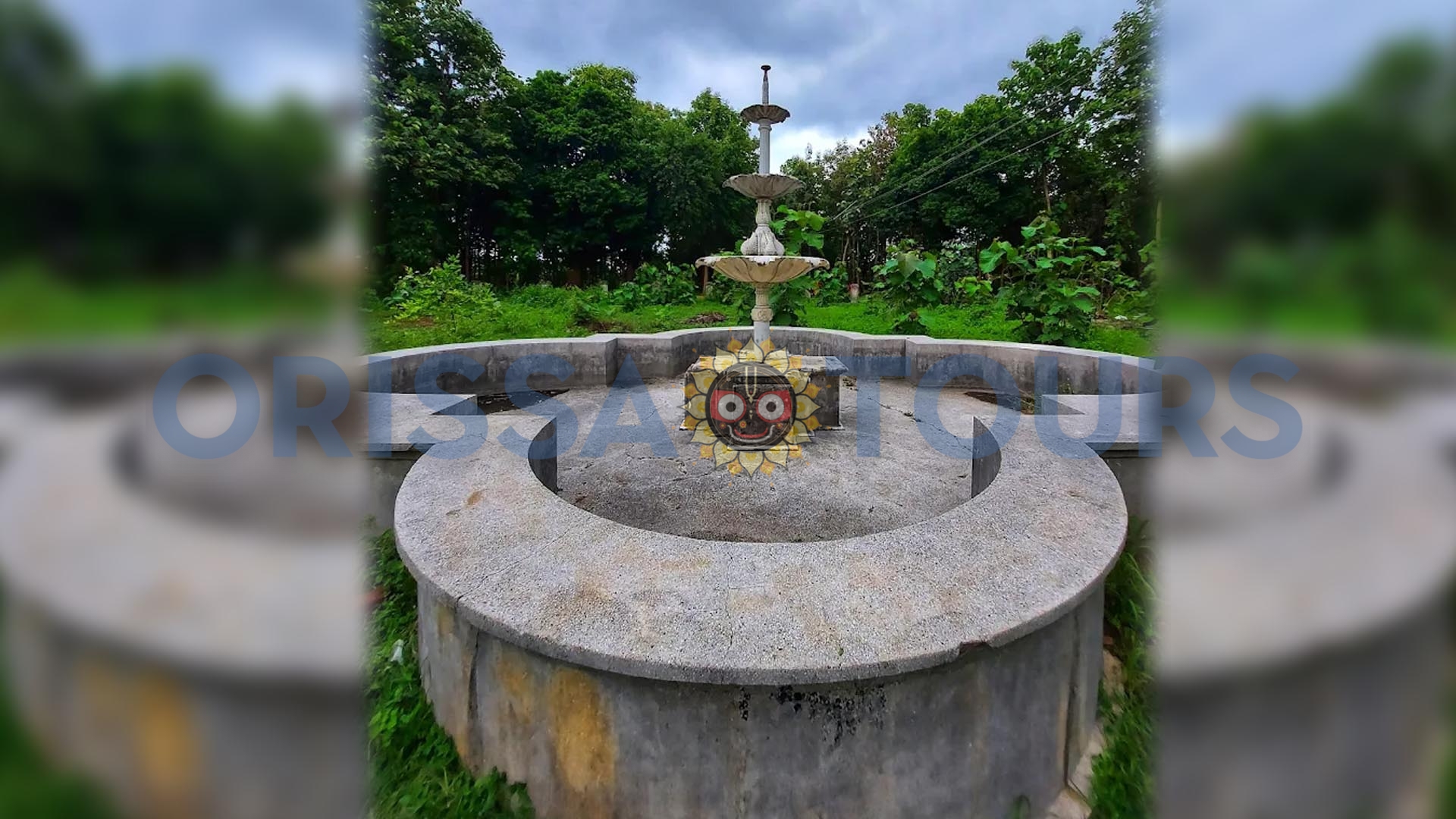
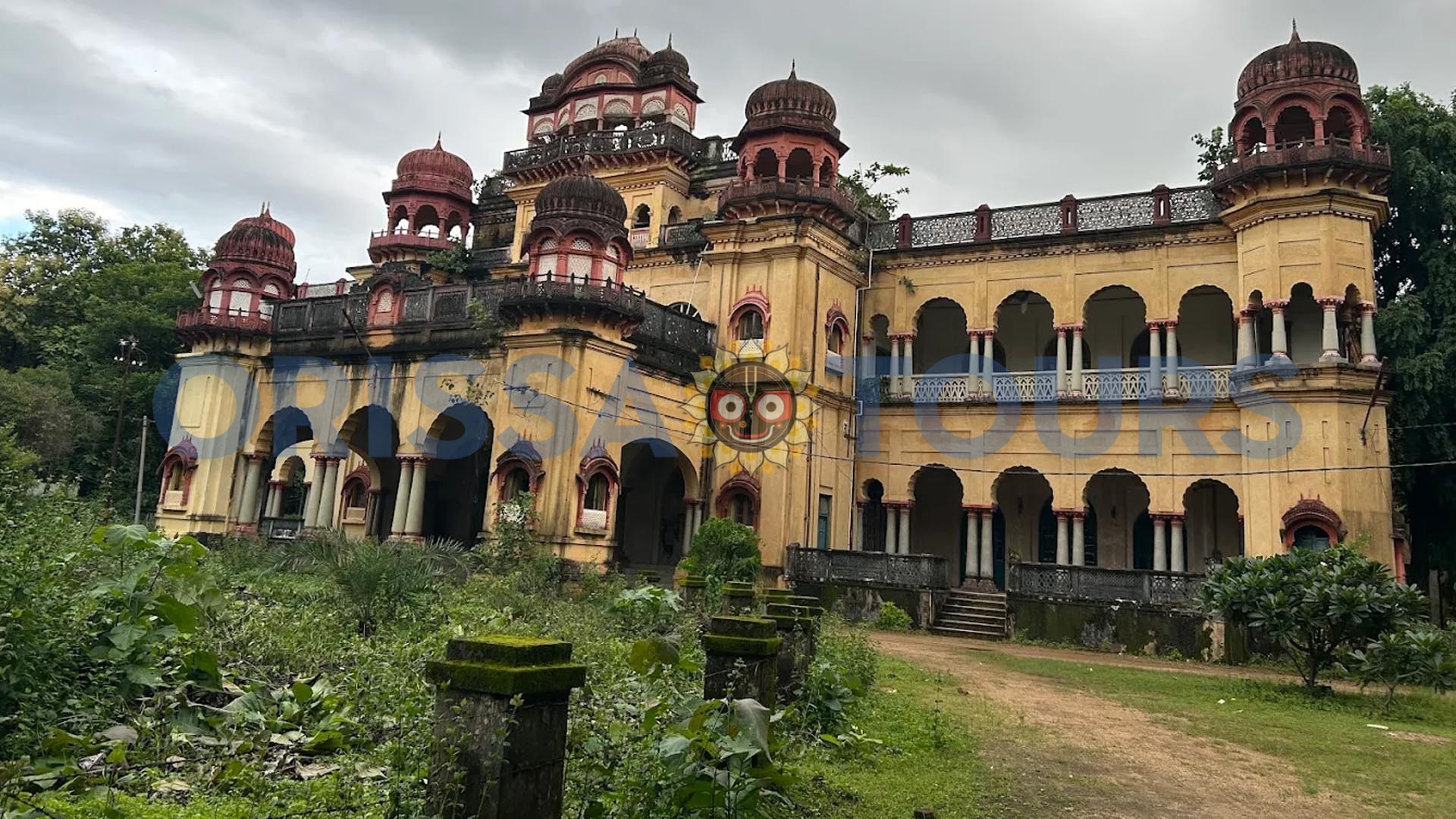
The Sailashree Palace Complex, which can be found in the heart of Balangir’s Rajbati area, represents a time when Odisha was ruled by kings. Today, it is referred to as a “monument to Odisha’s regal past; it is a mute testament to the Balangir royal family. The crumbling walls and worn–down facades have no one left to tell their stories, yet there are many untold stories contained within these ruins.
For the traveller looking to travel the unbeaten path, the Sailashree Complex offers a raw, unpolished look at history that differs greatly from the polished facades and restored images of more well–known forts and palaces. Here, creativity can run wild, and imagination flourishes. Each corner of this site holds the remnants of what once was and continues to reflect fantasy and wonder at the glories that were connected to the palace.
Historical Deep Dive: Whispers of the Chandras
The Chandra Dynasty of Balangir was the area’s original monarch from which the Sailashree Palace Complex derives its soul and spirit. Sailashree Palace was erected in the 19th Century and became known as the political and social nerve center of Balangir’s Kingdom. From the time of Sailashree Palace’s construction until now, many centuries have come to pass, and a lot of changes, both politically as well as socially, have taken place around Sailashree Palace.
By knowing that this is an area steeped in Western Odisha’s cultural background, it transforms an ordinary visit into an extraordinary experience. The paths which Kings and Courtiers walked upon; the foundations upon which Sailashree Palace exists; and indeed the Palace Complex itself, all connect to the past and tell stories of a rich and varied historical past.
Architectural Grandeur: A Fusion of Styles
The Sailashree Palace Complex had intriguing architectural features designed with Architectural influences from both traditional Odia temples and colonial architecture.
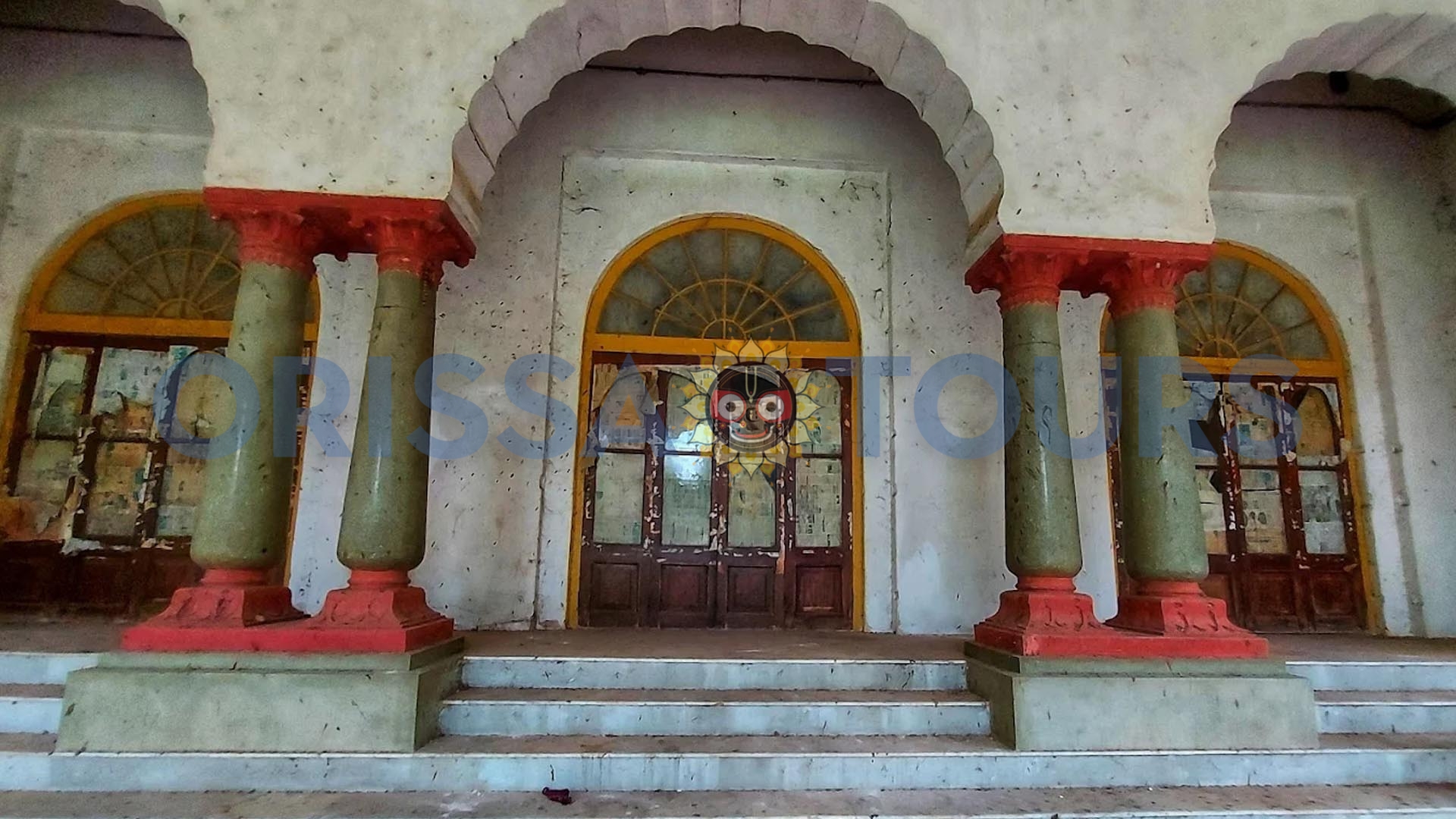
The remnants of the delicate carvings done in stucco, large arched windows and the sprawling, open design of the building layout for both privacy of the royal family as well as public administration will make the Sailashree Palace Complex a site of photographic inspiration for both photographers, as well as history buffs – every layer of paint that is peeling from the walls, every courtyard that has been washed over by the sun’s rays presents an opportunity to capture a photograph.
The Sailashree Palace Complex needs conservation and restoration; however, the current atmosphere surrounding it has given the Palace compelling and Unique qualities.
The Visitor Experience: Walking Through Time
A trip to Sailashree Palace Complex is both visually dramatic, almost like a form of meditation, where you feel an instant connection with the area’s past. You meander through large open plazas and view large empty exhibition spaces, while you hear and see remnants of royal festivities from long ago, with shadows of former times cascading and falling through broken windows, changing the light dramatically.
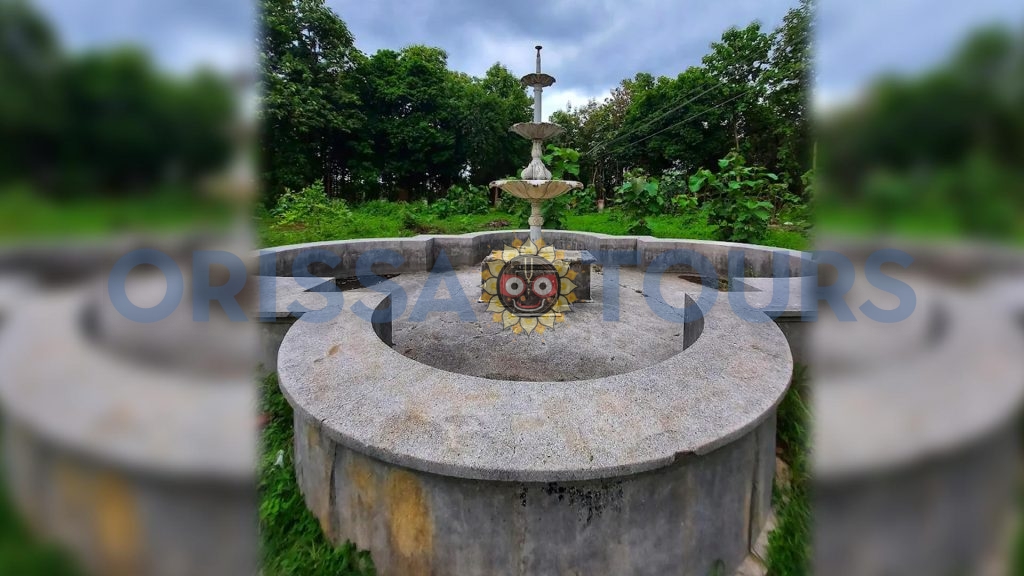
Areas of Sailashree are overgrown with vines, shrubbery, and weeds that add to the majestic seclusion that is occurring here. Sailashree is not a polished, manicured attraction; it forces you, the visitor, to leave behind the hustle and bustle of daily life and enjoy the meditative state of being, while reflecting on the magnitude of its cultural significance to Odisha’s past.
Plan Your Pilgrimage to the Past
If you’re interested in discovering this unique location, we have what you need! A trip to Sailashree Palace Complex can be easily planned. In the city of Balangir, in Odisha’s Rajbati district, Sailashree Palace Complex lies right off a major road network (NH-52). It’s best to visit between October and March when the weather is relatively nice in this part of Western Odisha.
There are no major admission fees charged, but always check ahead to confirm whether local rules and regulations have changed since you last checked. You might want to consider adding the Patneswari Temple and Harishankar Temple to your plans for all-around learning about the spiritual and cultural history of the area. Be sure to be respectful of your surroundings because this site holds a lot of significance to the local population.
Tourist Facilities, Transportation, Tourist Attractions, How to Reach, Accessibility
Opening Time
Sailashree Palace is open 24 hours.
Best Time to Visit
The Best time to visit the Balangir Palace is at all times of the year.
Closest Bus Stand & Distance
The Closest Bus stand is Balangir, which is located around 02 Km distance from Sailashree Rajbati.
Closest Railway Station and Distance
The Closest Railway Station is Balangir, which is located around 4 Km distance from the Sailashree Complex palace.
Closest Airport
The Closest airport is Biju Patnaik International Airport, which is located around 324 Km distance from Sailashree Rajbati and 187 km from Veer Surendra Sai Airport, Jharsuguda.


